AI Video Generation Mastery
Introduction to AI Video Generation
From Pixels to Motion
You already know how AI can generate stunningly realistic images from a simple text prompt. For years, models like Generative Adversarial Networks (GANs) and diffusion models have been mastering the art of creating static pictures. The progress has been incredibly fast.
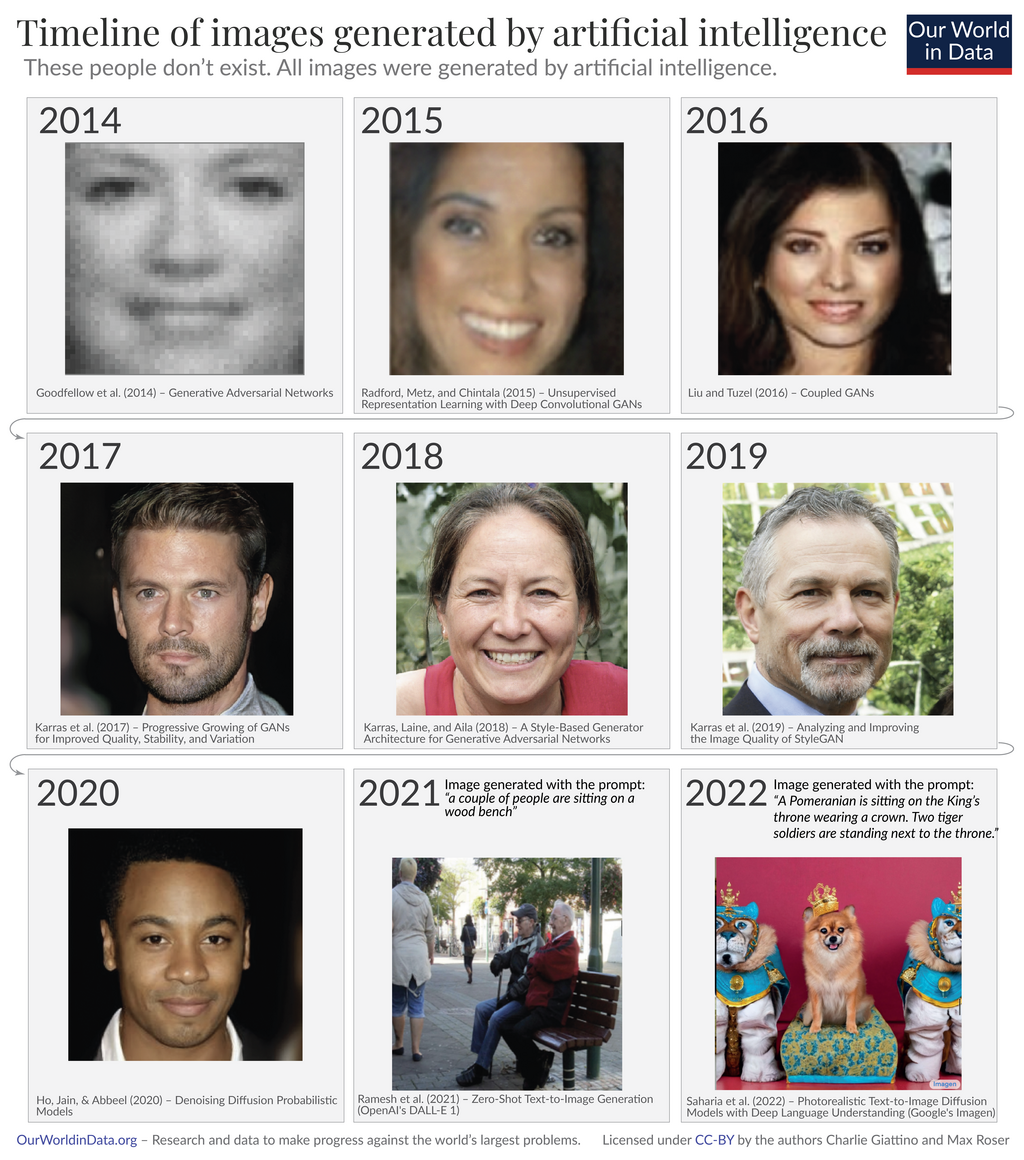
The transition from static images to moving video was the next logical, but massive, leap. Creating a single, high-quality image is one challenge. Creating a sequence of hundreds or thousands of them that flow together seamlessly is another entirely. Early attempts often looked like disjointed slideshows, where each frame was plausible on its own but failed to connect with the next.
The evolution involved teaching AI not just what an object is, but how it behaves and interacts over time. This required a fundamental shift from spatial understanding (arranging pixels in an image) to spatio-temporal understanding, which means considering both space and time together.
Core Concepts in Video Generation
Modern AI video generation is built on a few key principles. At its heart, the process is an extension of text-to-image synthesis, but with the added complexity of motion and narrative.
The core task is to interpret a text prompt and generate a sequence of frames that not only match the description but also exhibit believable movement and consistency over time.
Two concepts are critical for making this work:
-
Temporal Coherence: This is the glue that holds an AI-generated video together. It ensures that an object or character remains consistent from one frame to the next. If a person is wearing a red shirt in the first frame, temporal coherence means they are still wearing that same red shirt in the fifty-first frame, unless the prompt specifies a change. Without it, you'd get a flickering, chaotic mess where details constantly and randomly change.
-
Motion Dynamics: This is the AI's understanding of physics and movement. It's not enough for an object to change position; it has to move realistically. This means the model must have a grasp of concepts like gravity, momentum, and acceleration. When a model understands motion dynamics, a ball doesn't just teleport from one spot to another—it arcs through the air, bounces, and rolls in a way that feels natural.
These two concepts work together. Temporal coherence provides the what (the consistent object), while motion dynamics provides the how (the believable movement). The better a model is at both, the more realistic its video output will be.
The Impact on Video Production
The rise of AI video generation is changing the landscape of media creation. It's no longer just a tool for big-budget studios; it’s becoming accessible to individual creators, marketers, and businesses.
One of the most significant impacts is on the pre-production and concepting phase. Instead of spending weeks on storyboards or pre-visualizations, a director can generate a rough cut of a scene in minutes. This allows for rapid iteration and experimentation with different camera angles, lighting, and character actions before a single frame is shot with a real camera.
For marketing and social media, AI allows for the creation of unique, eye-catching video content at scale. A company could generate dozens of variations of a single ad, each tailored to a different audience, without the high costs of traditional video shoots. It also opens the door for personalized video content, where ads or messages could be dynamically generated for individual users.
However, this also introduces new challenges. The ease of creating realistic videos raises important ethical questions about misinformation and deepfakes. As the technology becomes more powerful, the need for clear guidelines, verification tools, and responsible use becomes increasingly critical.
This technology is still in its early stages, but its potential to democratize video creation is clear. It lowers the barrier to entry, allowing more people to tell their stories through moving images. It's a powerful new tool in the creator's toolkit, one that blends artistic vision with computational power.