AI Video Generation Mastery
Introduction to AI Video Generation
From Sci-Fi to Your Screen
For decades, creating realistic visual effects was a painstaking, manual process. Think of the groundbreaking computer-generated imagery (CGI) in films from the 90s. Artists and animators spent thousands of hours meticulously crafting each frame to bring fantastical worlds to life. It was a blend of artistry and immense technical effort.
Artificial intelligence has changed the game. Instead of just being a tool for artists, AI is becoming a creative partner. The evolution was gradual. First, AI helped with simpler, repetitive tasks like removing wires from stunt scenes or cleaning up noisy footage. Now, it can generate entire scenes from a simple text description. This leap from assisted creation to generative creation marks a massive shift in how media is produced.
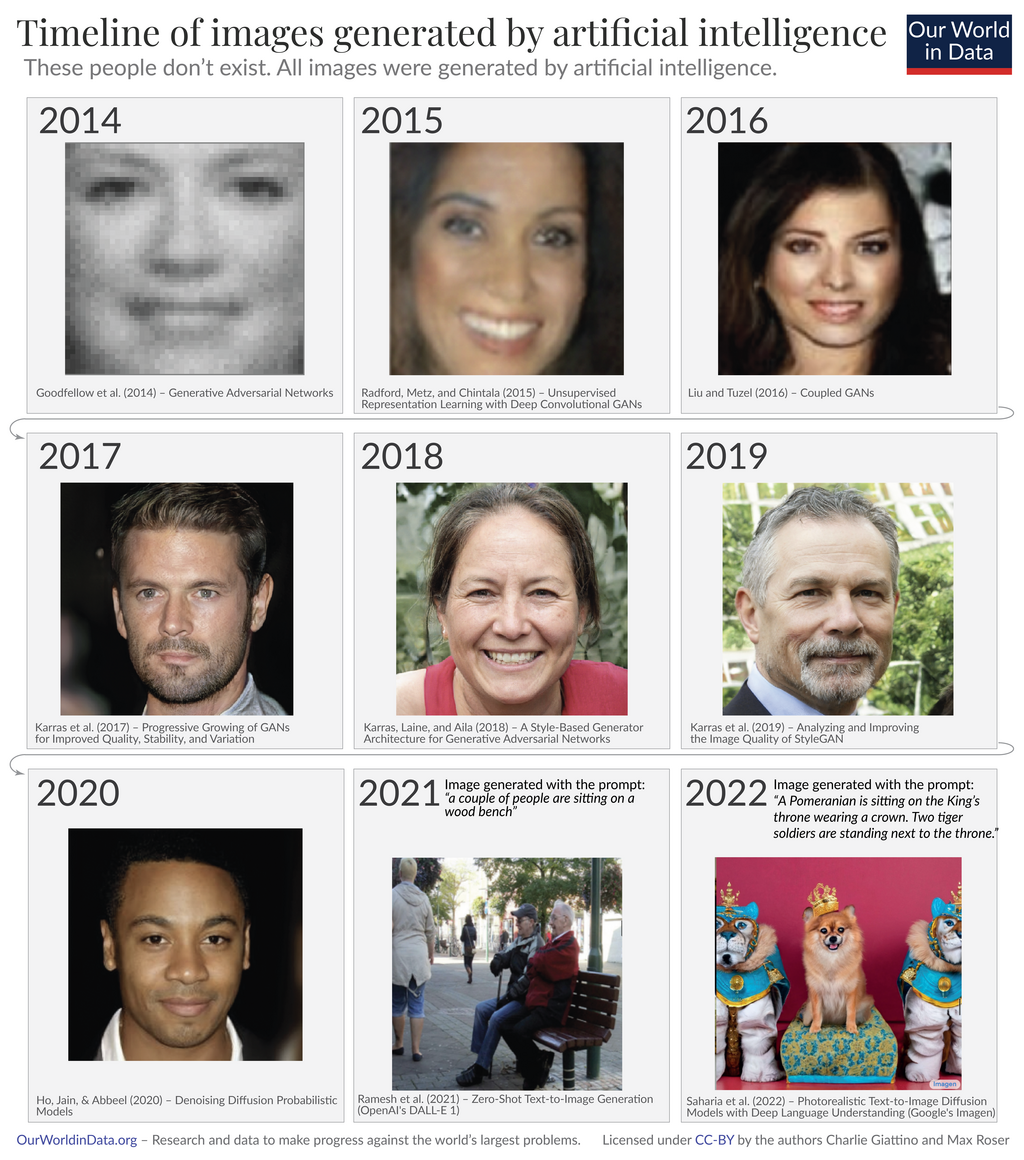
The core technology driving this change isn't magic; it's the result of decades of research into making computers learn.
How Does It Actually Learn?
The engine behind AI video generation is a concept called machine learning. At its heart, machine learning is about pattern recognition. Imagine teaching a toddler what a dog is. You don't give them a list of rules like "must have four legs, fur, and a wagging tail." Instead, you show them many different dogs: big dogs, small dogs, fluffy dogs, short-haired dogs. Over time, the toddler’s brain builds a model of what a “dog” is.
Machine learning models do the same thing, but with data. To learn how to create a video of a running horse, an AI is fed thousands of hours of video of horses running. It analyzes these pixels frame by frame, learning the patterns of movement, the play of light on muscle, and the physics of a gallop. It isn't programmed with the rules of horse anatomy; it discovers them from the data.
Machine Learning
noun
A field of artificial intelligence that gives computers the ability to learn from data and improve from experience without being explicitly programmed.
A specific type of machine learning, inspired by the human brain, is particularly powerful for this kind of work. It’s called a neural network.
Think of a neural network as a team of digital specialists. When it looks at a video, one group of specialists might only look for textures, like fur or grass. Another group focuses on shapes, like the curve of a horse’s back. A third group might analyze motion. These layers of specialists pass information to each other, building a more complex understanding at each step. By the end, the network can not only recognize a horse but also generate a new video of one that looks convincingly real.
The AI Production Assistant
In modern video production, AI is more than just a flashy generator. It's an incredibly versatile assistant that helps at every stage of the creative process.
Before a single frame is shot, AI can help brainstorm ideas, write scripts, or even create storyboards to visualize a concept. During production, it can generate realistic digital actors, create stunning background environments, or produce synthetic voice-overs that sound perfectly human.
But its role doesn't stop there. In post-production, AI tools can automate tedious editing tasks, seamlessly match colors between different shots, generate subtitles automatically, and even compose a fitting musical score. This frees up human creators to focus on what they do best: storytelling and shaping the final vision.
AI has revolutionized video production by automating script interpretation, voice synthesis, visual generation, and editing.
By handling the technical and time-consuming aspects of video creation, AI acts as a powerful democratizing force. It lowers the barrier to entry, allowing independent creators and small businesses to produce high-quality video content that was once only possible for large studios with huge budgets. This foundation of machine learning and neural networks is what makes the next wave of creative tools possible.