AI Video Generation Fundamentals and Frontiers
Introduction to AI Video Generation
Creating Video with AI
AI video generation is the process of using artificial intelligence to create new, original video content from scratch. Instead of filming with a camera or animating frame by frame, you can give an AI a simple text prompt, like "a golden retriever running through a field of flowers," and it generates a video clip that matches your description.
This technology is significant because it dramatically lowers the barrier to creating high-quality video. It opens up possibilities for artists, marketers, educators, and storytellers who may not have the resources for traditional video production. From personalized advertisements to rapid prototyping of film scenes, AI is changing what's possible in visual media.
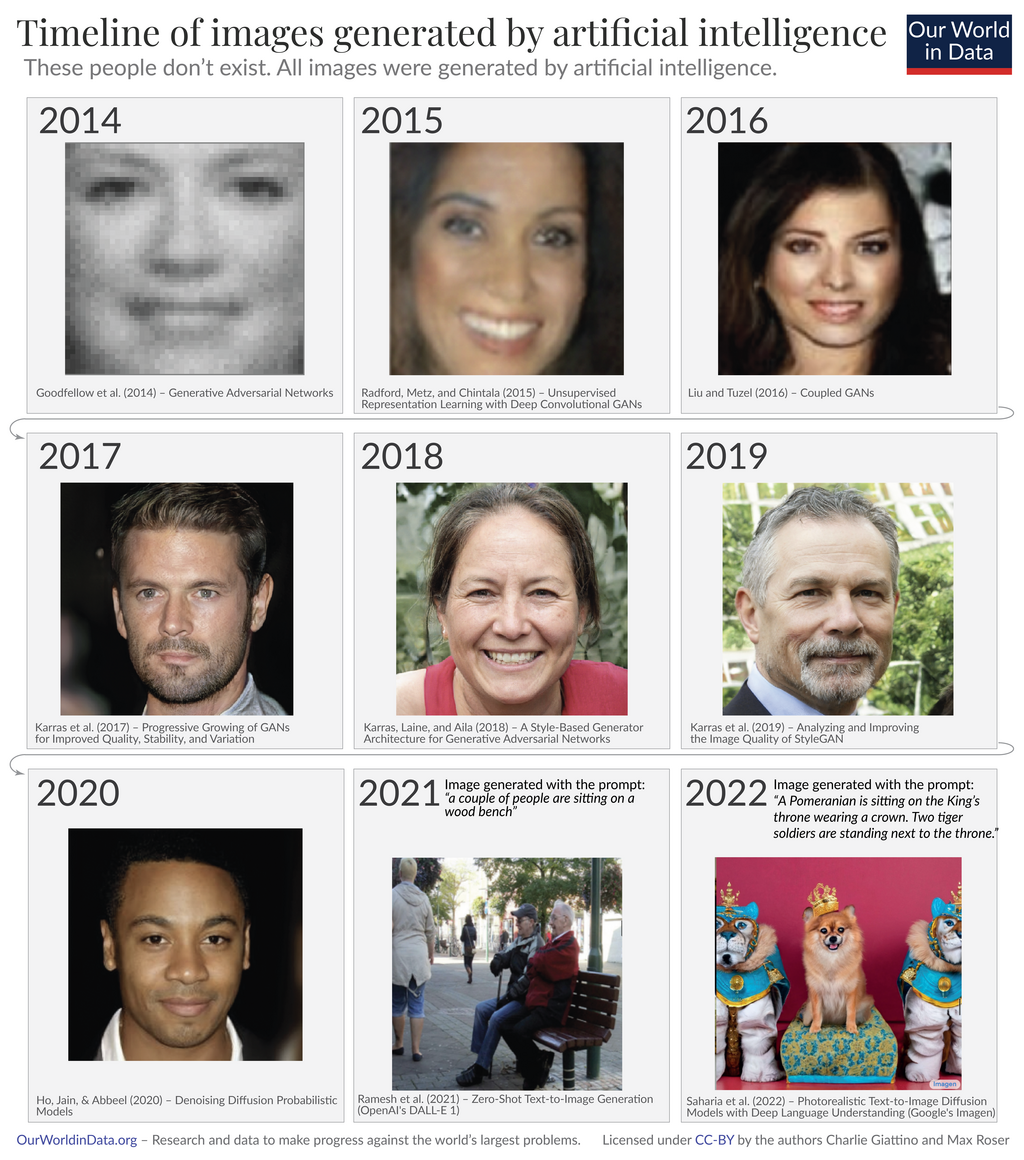
The journey to this point has been a long one. For decades, creating moving images was a manual, labor-intensive process. The first shift came with computer-generated imagery (CGI), but this was still a tool that required direct, explicit instruction from a human artist for every single detail.
The true revolution began when AI started learning. Instead of just following commands, new models could be trained on vast datasets of existing videos. By analyzing countless hours of footage, these systems learned the patterns, physics, and aesthetics of the visual world, enabling them to generate entirely new scenes.
The Building Blocks
Modern AI video generation isn't a single technology but a collection of different approaches. These methods are like different schools of thought for teaching a computer how to be creative. The three most important methodologies today are Generative Adversarial Networks (GANs), Diffusion Models, and Transformers.
Generative Adversarial Networks (GANs) work like a game between two AIs: a Generator and a Discriminator. The Generator's job is to create fake videos that look real. The Discriminator's job is to look at videos—some real, some created by the Generator—and decide which is which. As they compete, the Generator gets better at making convincing fakes, and the Discriminator gets better at spotting them. Over millions of rounds, this adversarial process results in a Generator that can create highly realistic video.
Diffusion Models take a different route. They start by taking a clear image or video and systematically adding noise—like TV static—until it's unrecognizable. Then, the AI learns to reverse this process. It's trained to take a frame full of noise and carefully remove it, step-by-step, to reveal a clear image. To generate a new video, the model starts with pure random noise and 'denoises' it into a coherent sequence of frames based on the user's prompt.
Finally, Transformer models have become dominant in AI. Originally developed for processing language, their strength is in understanding context and sequences. When applied to video, Transformers treat a video like a sentence, where each patch of pixels is a 'word.' This allows them to understand the relationship between different parts of a frame and how frames should flow together over time. They are exceptionally good at maintaining consistency and telling a coherent visual story from a text prompt.
Time to test what you've learned about these foundational concepts.
What is the primary input you provide to a modern AI model to generate a video clip from scratch?
According to the provided text, what is the most significant advantage of AI video generation compared to traditional video production?
Each of these methods has its own strengths, and many modern tools combine them to achieve the best results. Together, they represent the core technologies driving this exciting new frontier in content creation.