AI Video Generation for Content Creators
Introduction to AI Video Creation
A New Way to Make Videos
Not long ago, making a video required a camera, a crew, and a lot of time. Today, you can create one with just a few lines of text. This is the power of AI-driven video creation, a process where artificial intelligence helps with or completely handles the production of video content.
Instead of manually piecing together clips, recording voice-overs, and syncing audio, AI can take a simple prompt or a full script and generate a finished video. It can write the story, create the visuals, add a synthetic voice, and even edit everything together. This technology is changing the game for everyone from marketers to educators, making video content easier to produce than ever before.
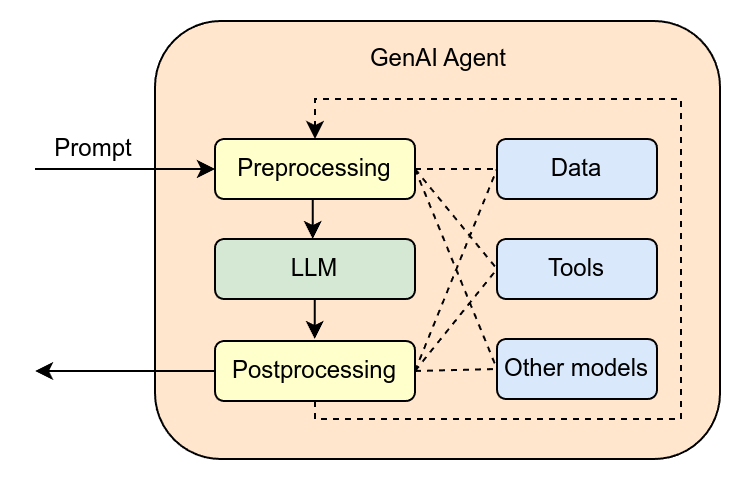
This isn't about replacing human creativity. It's about augmenting it. By handing off the more mechanical parts of video production to an AI, creators have more time to focus on the bigger picture: the story, the message, and the overall strategy.
Faster, Smarter, and More Accessible
The shift to AI brings three major benefits.
First, there's efficiency. AI automates the most time-consuming parts of video production. Tasks that once took hours or days, like finding the right stock footage or animating graphics, can now be done in minutes. This speed allows creators to produce more content and react quickly to new trends.
Next is scalability. Need to make ten versions of the same ad for different audiences? Or translate a training video into five languages? With traditional methods, that's a huge undertaking. With AI, it's a matter of adjusting the input and letting the system generate new variations automatically.
Finally, AI makes video creation more accessible. It lowers the barrier to entry, removing the need for expensive equipment, complex software, and specialized technical skills. If you have an idea, you can now bring it to life without being a professional videographer.
Artificial intelligence is revolutionizing video creation, making it possible to generate scripts, voice-overs, and even entire videos in minutes.
Traditional vs. AI-Assisted
The core difference between the old and new ways of making videos is the division of labor. Traditional production is human-led from start to finish. The AI-assisted approach turns the machine into a creative partner.
| Aspect | Traditional Method | AI-Assisted Method |
|---|---|---|
| Scripting | Written entirely by a human. | Can be human-written, AI-generated, or a collaboration. |
| Visuals | Requires shooting original footage or manually searching stock libraries. | AI can generate images and video clips from text descriptions. |
| Voice-over | Requires recording a human narrator. | AI can generate a realistic voice-over in various languages and accents. |
| Editing | A manual process of cutting clips, syncing audio, and adding effects. | AI can automatically sync visuals to a script and handle basic edits. |
| Cost & Time | High cost, long timelines. | Significantly lower cost and much faster turnaround. |
By handling the technical legwork, AI frees up creators to focus on what matters most: developing compelling ideas. The central skill is shifting from mastering complex software to clearly articulating a creative vision.
What is the primary input a user provides to an AI system to generate a video?
According to the text, the main role of AI in video production is to completely replace human creativity.
This new approach redefines what it means to be a video creator, making it more about imagination and less about execution.