AI Video Generation
Introduction to AI Video Generation
What Is AI Video Generation?
At its core, AI video generation is the process of using artificial intelligence to create new video content. Instead of a camera, lights, and a film crew, the main tool is a prompt. This could be a simple text description, an image, or even an existing video clip. The AI then interprets this input and generates a completely new video that matches the request.
Think of it like giving instructions to an incredibly fast and creative animator who can bring your ideas to life in moments. This technology is significant because it dramatically lowers the barrier to creating high-quality video. What once required expensive equipment, specialized skills, and lots of time can now be accomplished with just a few clicks.
The power of AI video generation lies in its ability to democratize video creation, making it accessible to storytellers, marketers, and creators everywhere, regardless of their budget or technical expertise.
A Quick Look Back
AI's role in video isn't entirely new. For years, it has worked behind the scenes in the film and TV industry. AI-powered tools have helped with tasks like automatic color correction, tracking objects in a scene for special effects, and even editing tasks like identifying the best takes from hours of footage. This was mostly about enhancing or speeding up existing workflows.
The big shift came with the rise of generative models. These are AIs designed not just to analyze content, but to create it. The journey began with generating realistic images from text prompts. As these models became more sophisticated, the next logical step was to string those images together into moving sequences.
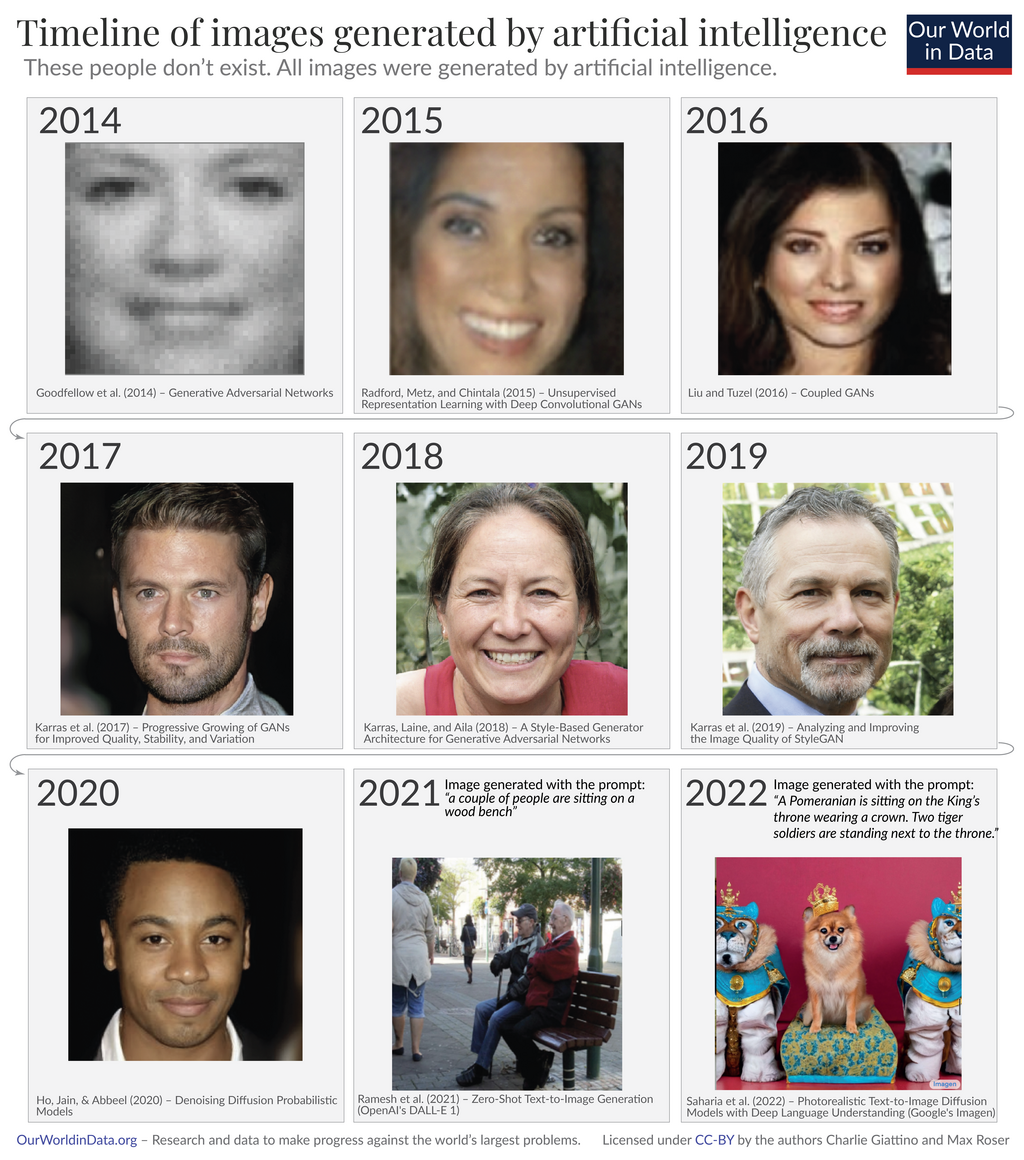
What started as blurry, short, and often strange-looking clips quickly evolved. The technology advanced at a breakneck pace, moving from simple animations to generating complex, high-definition scenes that are becoming increasingly difficult to distinguish from real footage.
Changing Industries
The impact of AI video generation is being felt across many fields. It’s not just about making movies anymore; it's about changing how we communicate visually.
In marketing, businesses can now create personalized video ads for different audiences in a fraction of the time and cost. A company could generate dozens of variations of a commercial, each tailored to a specific demographic, and test which one performs best.
For educators, it opens up new ways to create engaging learning materials. A history teacher could generate a short, animated video depicting a historical event, bringing the lesson to life for students without needing any animation skills.
Entertainment professionals use it to quickly visualize scenes, create concept art, or even generate entire animated sequences. This speeds up the creative process, allowing filmmakers and game designers to experiment with ideas more freely.
Even individual content creators on social media can now produce polished, dynamic videos that previously would have been out of reach, leveling the playing field for visual storytelling online.
Generative AI is revolutionizing the way we create and consume video content.
As this technology continues to evolve, it promises to further reshape how we create and interact with video, making visual communication more dynamic and accessible than ever before.