AI Video Generation
Introduction to AI Video Generation
What Is AI Video Generation?
At its core, AI video generation is the process of using artificial intelligence to create new video content. Instead of a camera, lights, and actors, the primary tool is a prompt—a text description, an image, or even an audio clip. The AI interprets this input and generates a moving picture from scratch.
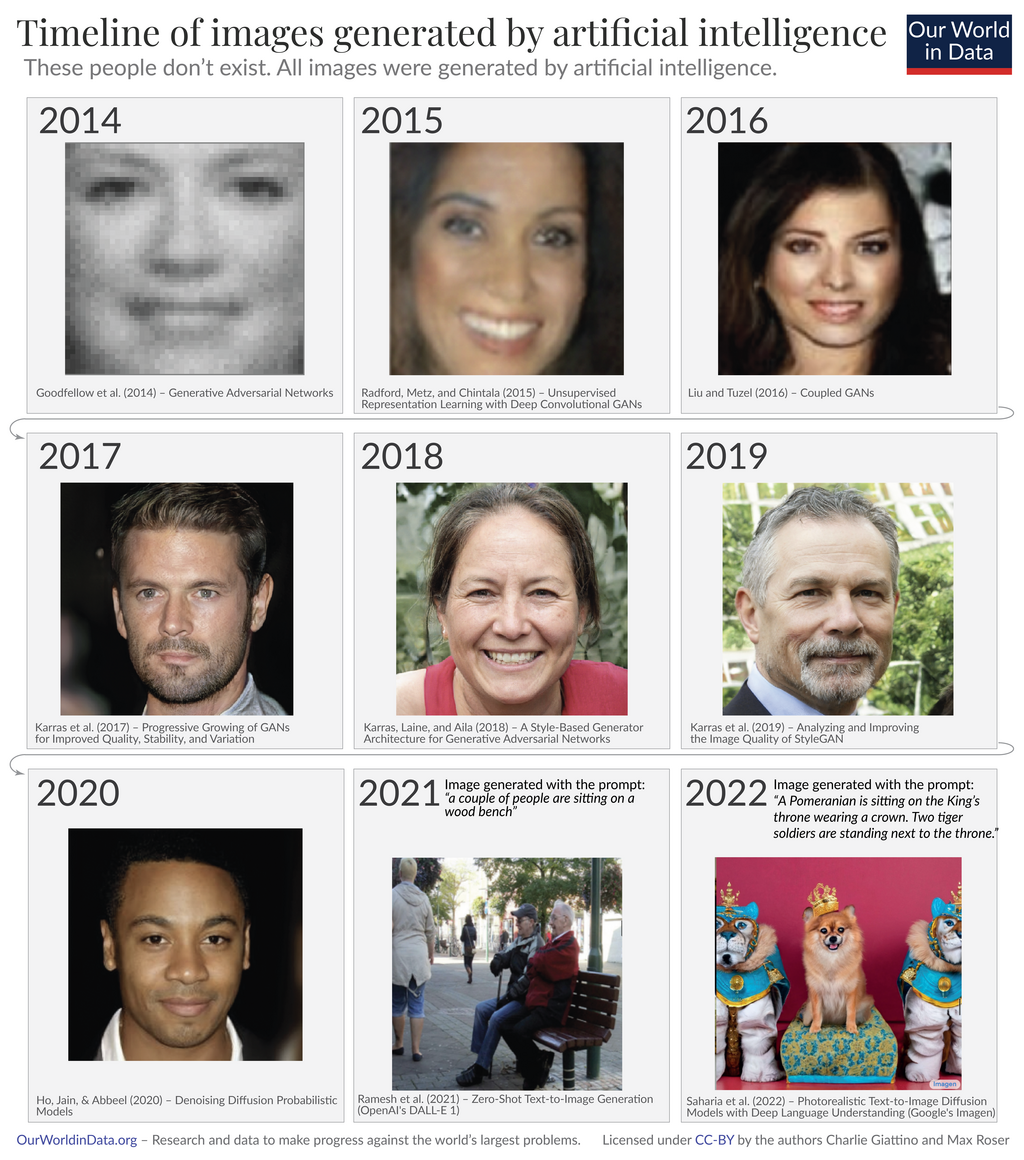
Think of traditional video production: you need to script, shoot, edit, and add effects. Each step requires specialized skills and equipment. AI streamlines this by translating an idea directly into a video clip. This technology isn't entirely new, but recent breakthroughs have made it powerful and accessible. Just as AI image generation has evolved rapidly, video generation is following a similar path.
The Brains Behind the Magic
Three key concepts power AI video generation. Understanding them helps demystify how a simple text prompt becomes a complex video.
Machine Learning
noun
A type of artificial intelligence that enables a system to learn and improve from experience without being explicitly programmed.
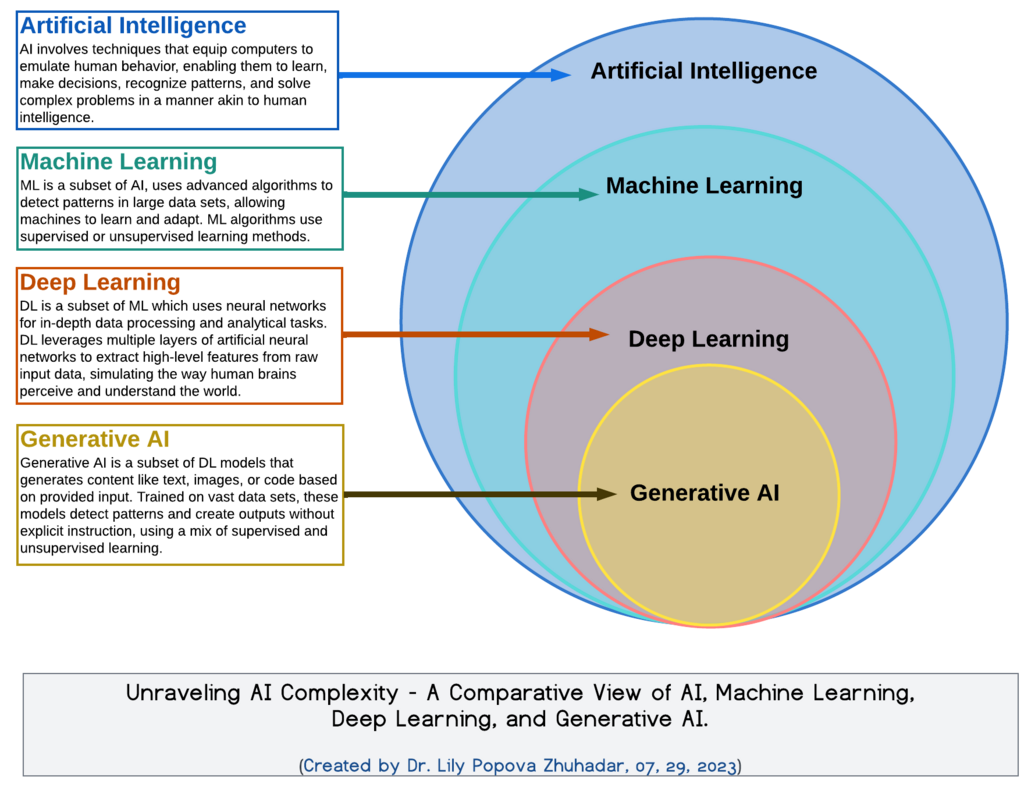
Machine learning is the foundation. An AI model is trained on a massive dataset of existing videos and text descriptions. By analyzing this data, it learns the relationships between words and visual elements. For example, it learns what "a dog chasing a ball in a park" looks like by seeing thousands of examples.
Neural Networks are the next piece of the puzzle. Inspired by the human brain, they are networks of interconnected nodes, or "neurons," that process information. They are the machinery that performs the learning.
Deep Learning uses very large neural networks with many layers—hence the term "deep." This complexity allows the AI to recognize incredibly subtle and abstract patterns. It's the difference between an AI knowing what a car is and understanding the visual nuance of a vintage car driving through a rainy, neon-lit city street.
Changing the Production Workflow
The introduction of AI is fundamentally changing how videos are made. In a traditional workflow, creating a single scene could take a large team weeks of planning, shooting, and post-production. An animator might spend days creating a few seconds of footage.
AI introduces a more iterative and rapid process. A director could generate a dozen different versions of a scene in an afternoon to see which works best. A marketing team could create personalized video ads for different audiences automatically. Tasks that were once time-consuming, like storyboarding or creating visual effects, can now be done in a fraction of the time.
AI doesn't replace creativity; it acts as a powerful new tool. It allows creators to focus on the story and vision, while the AI handles much of the technical heavy lifting.
This shift democratizes video creation. Independent filmmakers can produce scenes that once required a Hollywood budget. Small businesses can create professional-grade marketing videos without hiring a large production company. The focus moves from technical execution to the quality and originality of the idea itself. It's a new era for visual storytelling, where imagination is the main currency.