AI Video Creation from Script
Introduction to AI Video Generation
From Pen to Pixels
Content creation used to be a hands-on, often slow, process. Writing meant a pen and paper, then a typewriter, then a word processor. Photography required darkrooms and chemicals. Video production involved bulky cameras, expensive editing suites, and a whole team of people. Each step forward in technology made creating things a little easier and faster.
Artificial intelligence is the next big leap. It started by helping us with text, correcting our grammar and suggesting better words. Then it learned to create images from simple descriptions, turning a few words into stunning works of art. Now, that same power is coming to video.
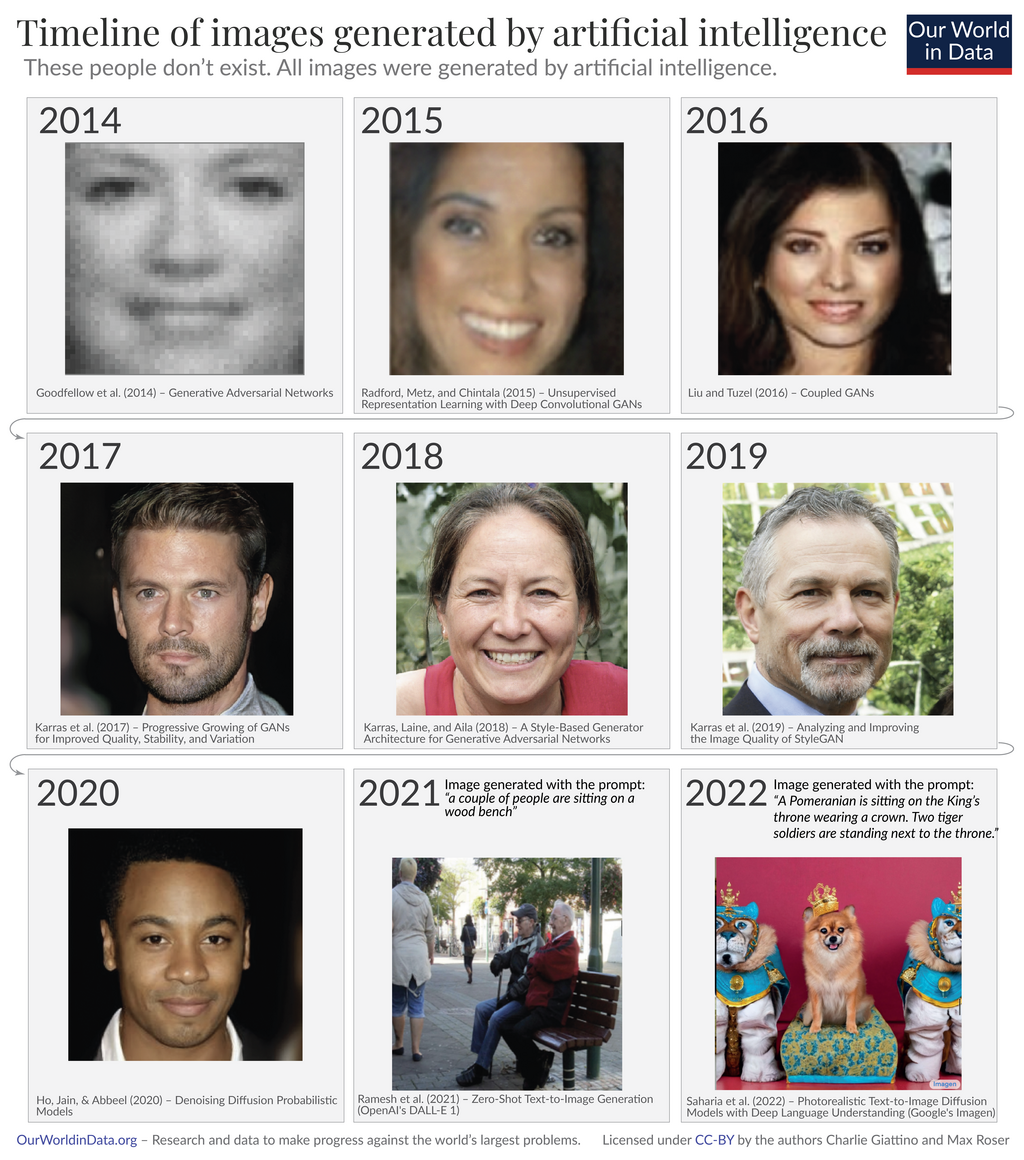
This isn't just about speeding up the old process. It’s about changing the process entirely. AI can now take a written script and generate a complete video, complete with visuals, voiceovers, and captions. What once took days or weeks of coordinated effort can now be done in minutes.
The Benefits of AI Video
Using AI for video production offers three huge advantages: speed, cost, and accessibility.
Speed is the most obvious benefit. An AI can generate drafts of a video almost instantly. This allows creators to experiment with different ideas, scripts, and styles without a major time commitment. Instead of spending a week on one video, you could create dozens of variations in a single afternoon.
This speed directly translates to lower costs. Traditional video shoots require paying for equipment, locations, actors, and a crew. AI video generation eliminates many of these expenses. The primary cost is the subscription to an AI tool, which is often a fraction of the price of a single professional video shoot.
The biggest change, however, is accessibility. You no longer need to be a trained videographer or editor to create compelling video content. If you have an idea and can write a script, you can make a video. This opens up video creation to small businesses, educators, and individuals who were previously priced out.
A Look at the Toolbox
The world of AI video tools is growing quickly, but most fall into a few main categories. The most common are text-to-video generators. You provide a script or a simple prompt, and the AI creates corresponding video scenes, often pulling from a library of stock footage or generating new visuals from scratch.
Other tools focus on creating AI avatars. These are realistic digital presenters that can read your script to the camera. This is useful for creating training videos or presentations without needing to be on camera yourself. Many platforms also offer automated editing features, which can add background music, generate subtitles, and smooth out transitions with a single click.
| Feature | Traditional Production | AI Production |
|---|---|---|
| Time | Days to Weeks | Minutes to Hours |
| Cost | High ($$$) | Low ($) |
| Skill Level | Professional expertise required | Beginner-friendly |
| Equipment | Cameras, lights, mics | Computer with internet |
AI video generators are revolutionizing content creation.
Let's review what we've covered about the fundamentals of AI video generation.
According to the text, what are the three primary advantages of using AI for video production?
What type of AI tool is specifically designed to create a realistic digital presenter that can read a script on camera?
By handling the technical heavy lifting, AI allows creators to focus on what truly matters: the story and the message.