AI Video Creation and YouTube Monetization
Introduction to AI Video Generation
From Text to Screen
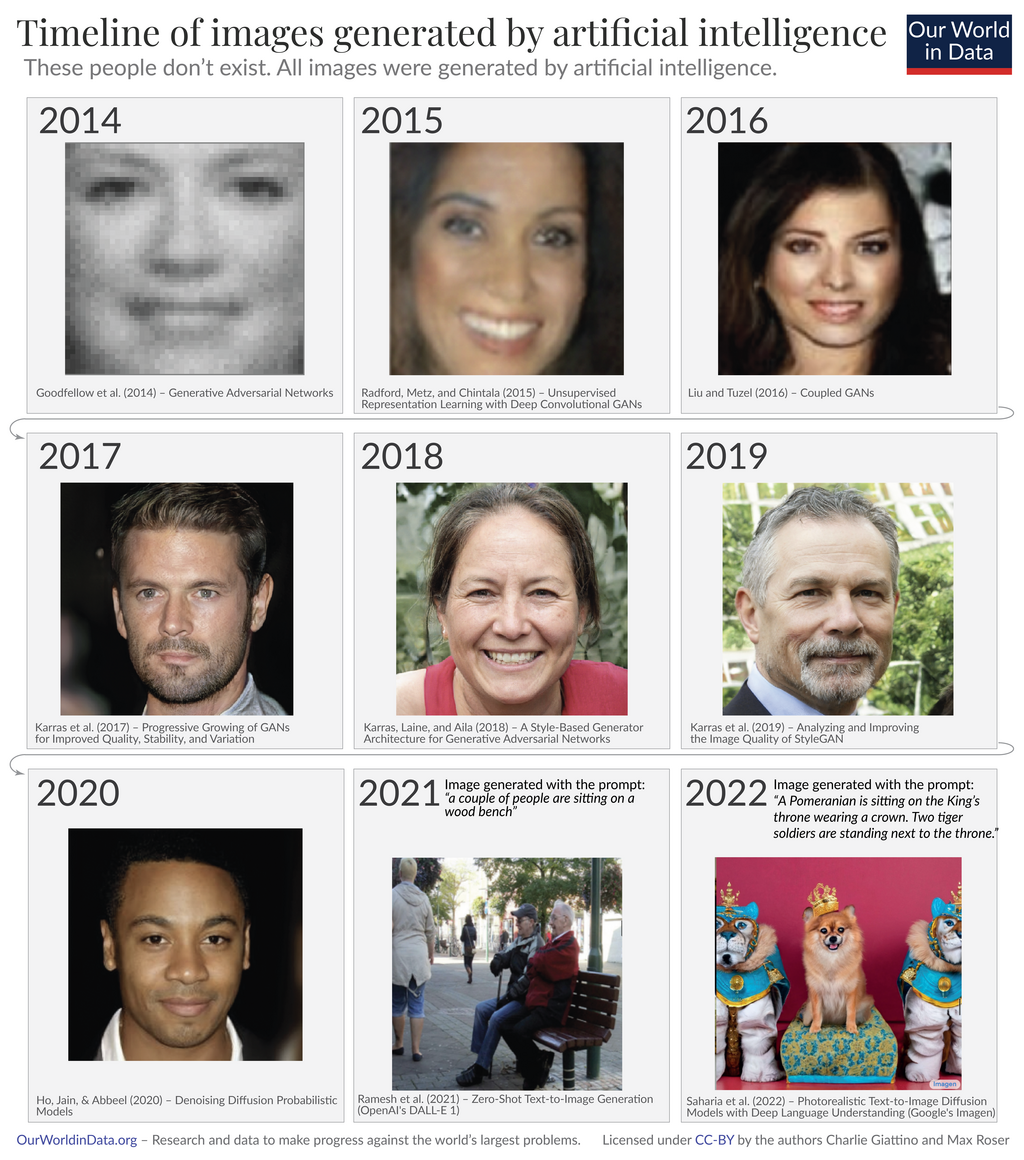
Imagine typing a sentence describing a scene and watching it materialize as a high-quality video. This is the core of AI video generation, a technology that creates moving pictures from simple text prompts or still images. Instead of needing cameras, actors, or complex animation software, you can now direct a virtual filmmaker with just your words.
At its heart, this technology relies on models that have studied countless hours of video and images to understand the world. They learn the relationships between objects, actions, and aesthetics. When you provide a prompt like "a golden retriever puppy exploring a magical forest," the AI taps into this vast knowledge to generate a sequence of frames that matches your description, creating a brand new, original video clip.
This process works in two main ways: text-to-video, where a written prompt generates a video, and image-to-video, where a starting image is brought to life with motion.
The Major Players
The field of AI video generation is advancing quickly, with several key platforms leading the way. Each has its own strengths, pushing the boundaries of what's possible in digital content creation.
- OpenAI's Sora: Known for generating highly realistic and imaginative scenes, Sora can create videos up to a minute long. It excels at maintaining character and visual consistency across different shots, a significant challenge in this field.
- Google's Veo: Veo is another powerful model that focuses on producing high-definition, cinematic-quality clips. It has a strong understanding of visual language, allowing it to interpret prompts that specify camera angles and stylistic tones like "timelapse" or "aerial shot."
- Runway ML's Gen-3: Developed by a company focused on creative tools, Gen-3 gives users fine-grained control over the structure, style, and motion of their generated videos. It's built for artists and filmmakers who need to direct the AI's output with more precision.
- Synthesia: This platform takes a different approach. Instead of generating entire scenes, Synthesia specializes in creating realistic AI avatars for corporate and educational videos. Users can type a script, and a digital human will narrate it, complete with synchronized lip movements and gestures. This is less about cinematic creation and more about scalable, personalized communication.
Applications Across Industries
AI video generation isn't just a novelty; it's a practical tool with wide-ranging applications. Marketers can quickly produce social media ads and product demos without expensive film shoots. Educators can create engaging instructional videos with animated diagrams or avatar-led lessons. Entertainment studios are exploring AI to prototype ideas, visualize storyboards, and even generate entire animated sequences.
Generative AI is rapidly becoming a cornerstone of video ad creation, transforming how campaigns are developed, tested, and scaled, according to IAB, adding that GenAI is now essential for video ad creation, with 86% of buyers using/planning to use it to build video ad creative.
Independent creators can now produce short films and visual content that were once out of reach due to budget and resource limitations. This technology democratizes video production, allowing anyone with an idea to bring it to life.
The Double-Edged Sword
While the creative potential is enormous, AI-generated video also presents serious ethical challenges. One of the biggest concerns is copyright. AI models are trained on vast datasets of existing images and videos, often without the original creators' permission. This raises complex legal questions about who owns the AI-generated output and whether it infringes on the source material.
An even more immediate danger is the rise of deepfakes, which are hyper-realistic but fabricated videos of people. This technology can be used to spread misinformation, create fake celebrity endorsements, or generate non-consensual explicit content. As AI video becomes more accessible and realistic, distinguishing between real and fake content will become increasingly difficult.
deepfake
noun
A video of a person in which their face or body has been digitally altered so that they appear to be someone else, typically used maliciously or to spread false information.
Navigating this new landscape requires a balance between fostering innovation and establishing safeguards to prevent misuse. Let's review the key concepts before testing your knowledge.
Ready to check your understanding?
What is the primary input used to direct most AI video generation models?
Which AI video platform is specifically designed for creating realistic AI avatars that narrate scripts?
As AI video tools evolve, they will undoubtedly reshape how we create and consume media, making it crucial to understand both their capabilities and their consequences.