AI Video Creation
Introduction to AI Video Generation
Turning Words into Videos
At its core, AI video generation is the process of creating a video from a simple text description, or prompt. You write what you want to see, and an AI model builds the video for you. This technology is making video creation accessible to everyone, not just those with expensive equipment and technical skills.
Think of it as directing a movie, but your only tool is a keyboard. You describe the scene, the characters, and the action, and the AI handles the camera, lighting, and animation.
This is a big deal because it dramatically speeds up content creation. What once took teams of people days or weeks can now be drafted in minutes. It opens up new possibilities for marketers, educators, artists, and small businesses to communicate their ideas visually.
Generative AI
noun
A category of artificial intelligence that can create new and original content, such as text, images, audio, and video, based on the data it was trained on.
A Quick Look Back
AI's role in media isn't new. For decades, computer-generated imagery (CGI) has been a staple in movies and games. But this required massive teams of skilled artists and powerful computers. The revolution we're seeing now is about automation and accessibility.
The journey to AI video began with images. First, AI models learned to recognize objects in pictures. Then, they learned to create pictures from scratch based on text prompts. You've probably seen these AI-generated images online. They started as blurry, abstract creations and rapidly evolved into photorealistic scenes.
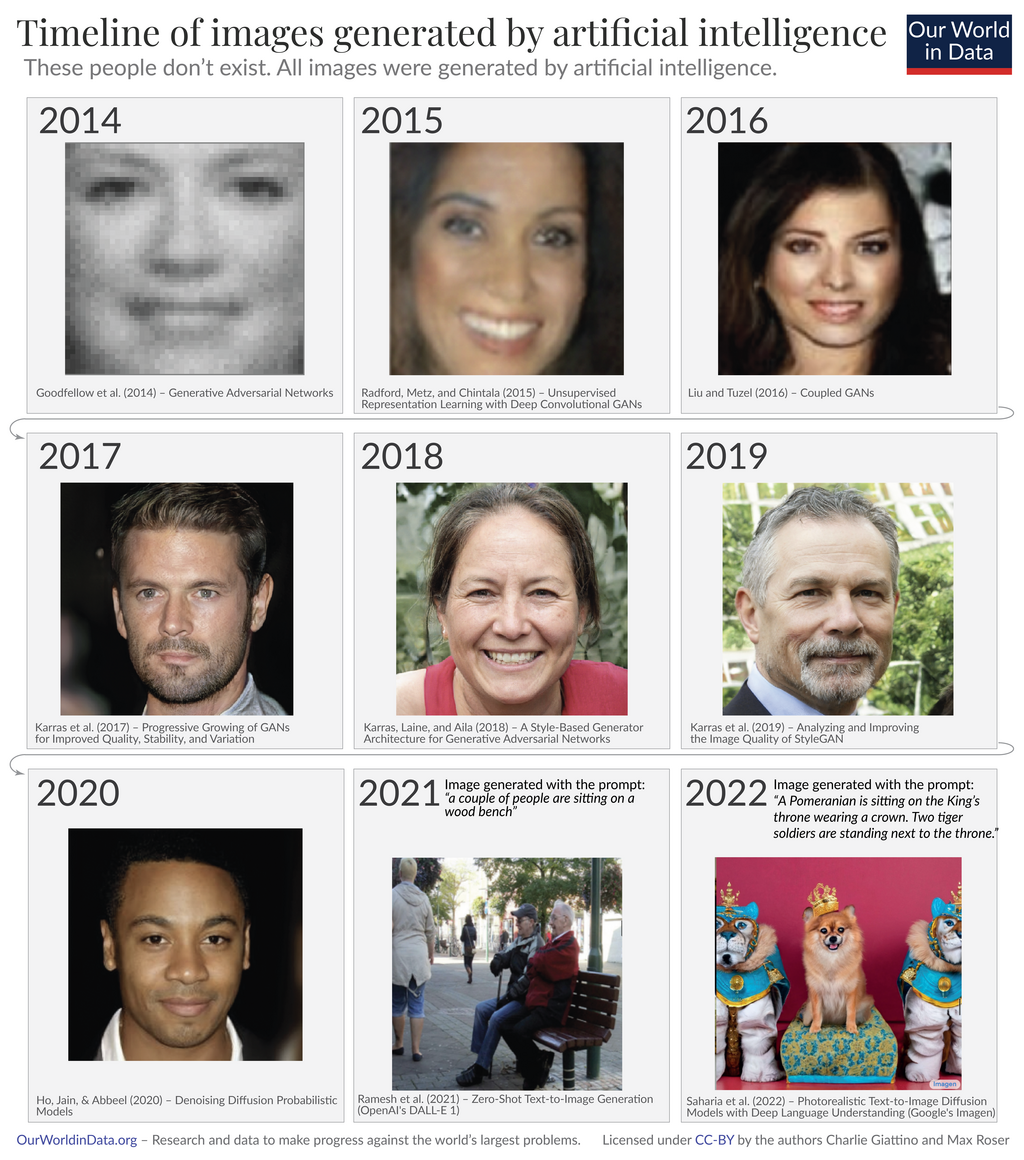
Video was the logical next step. It's much more complex than a single image because it involves motion, time, and consistency from one frame to the next. Early AI videos were short and often shaky, but the technology is improving at an incredible pace.
How Does It Work?
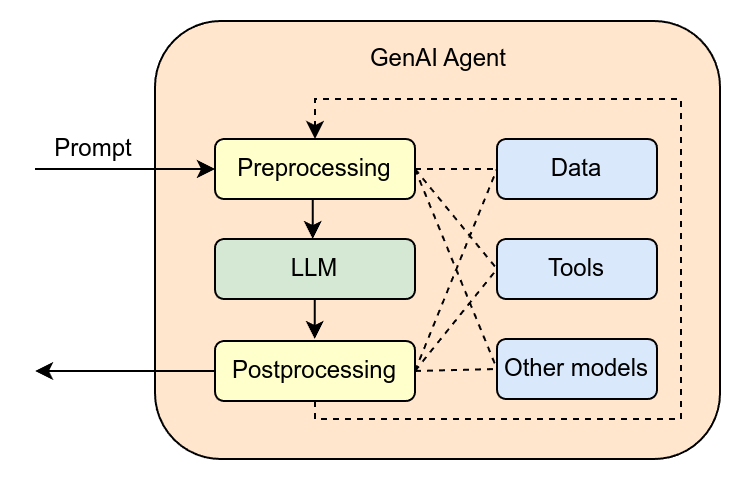
So how does an AI turn a phrase like "a golden retriever puppy playing in a field of flowers" into a video? The process starts with a massive dataset of existing videos and their text descriptions. The AI studies these pairs to learn the connection between words and visuals.
When you give it a prompt, the model first breaks down your words to understand the key elements: the subject (puppy), the action (playing), and the setting (field of flowers). This is where Natural Language Processing (NLP) comes in.
Then, using a technique often related to diffusion models, it starts generating frames. Think of it like starting with a canvas of random noise and gradually refining it, frame by frame, until it matches the description in your prompt. It has to ensure not just that each frame looks right, but that the movement between frames is smooth and logical.
This is an incredibly complex task. The AI has to understand physics, object permanence, and how things move in the real world, all from the data it's seen.
Where Is It Being Used?
AI-generated videos are already appearing in many industries. Marketers use them to create quick, eye-catching social media ads without a big production budget. Educators can generate custom animated videos to explain complex topics in a simple, visual way.
In entertainment, creators use AI to brainstorm ideas, create storyboards, or even produce short animated films. It's also a powerful tool for businesses that need to create training materials or internal communications quickly.
The main advantage is efficiency. You can test different ideas, styles, and messages without the time and cost of traditional video production.
Generative AI is reshaping the media landscape, enabling unprecedented capabilities in video creation, personalization, and scalability.
Now that you have a grasp of the fundamentals, let's test your knowledge.
What is the primary input used to create a video with AI video generation technology?
According to the text, the development of AI video generation was a logical next step after the success of what other AI technology?
Understanding these basics is the first step toward using this exciting new technology. It’s all about empowering creativity and making visual storytelling more accessible than ever before.