AI UX Design Principles
Introduction to UX Design
What Is User Experience?
Think about your favorite app or website. What makes you like it? Is it easy to find what you're looking for? Is it pleasant to look at? Does it just... work?
That feeling you get when using a product is its User Experience, or UX. It's not just about how something looks, but how it feels to interact with it. Good UX is often invisible; you only notice it when it's bad. It's the difference between a door with a handle you instinctively pull and one that you push when you should have pulled.
UX design is the process of making technology useful, usable, and enjoyable for people. The goal is to create a seamless connection between the user and the product, whether it's a coffee machine, a banking app, or a complex piece of software.
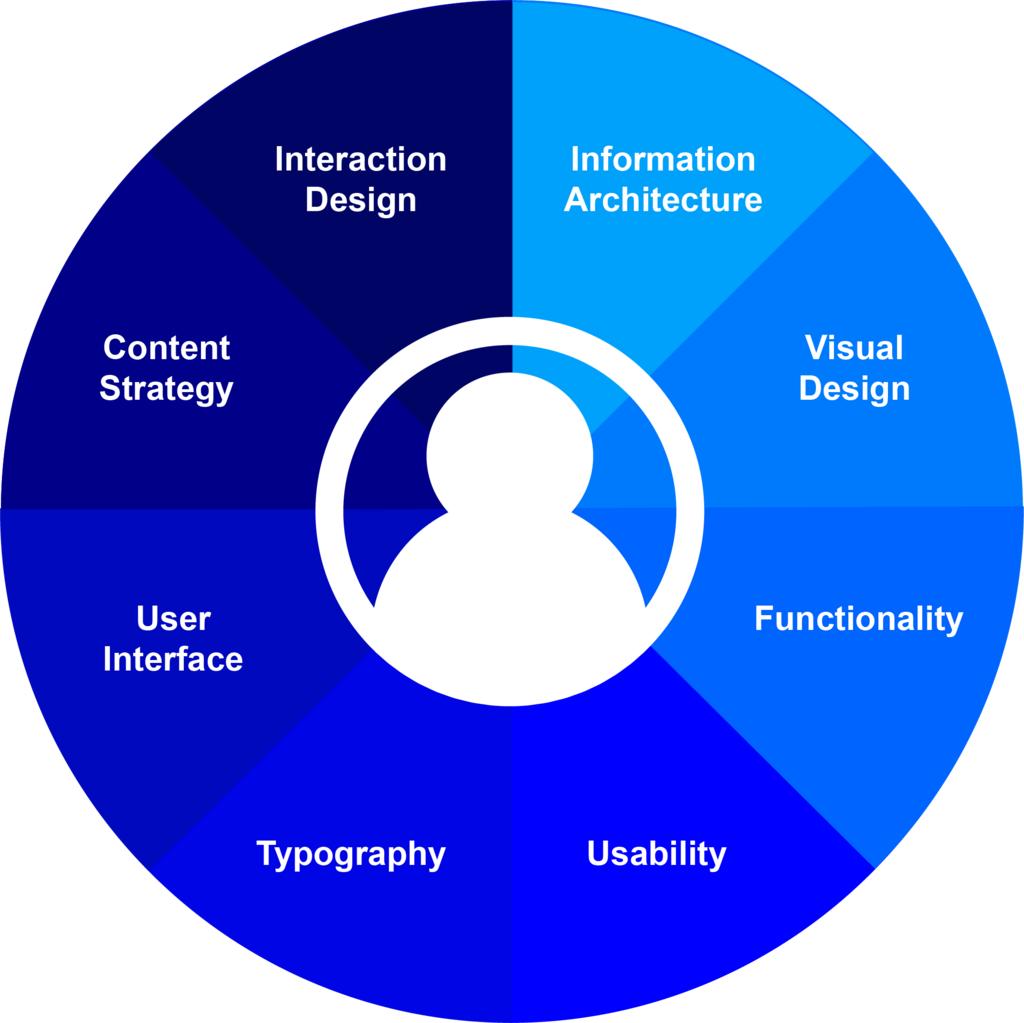
Why does this matter? For a business, good UX can lead to happier customers, better reviews, and increased loyalty. For a user, it means less frustration and a more efficient, enjoyable experience. At its core, UX design is about empathy—understanding what people need and designing a solution that helps them achieve their goals without friction.
The Pillars of Good Design
Two core principles guide the creation of great user experiences: usability and accessibility.
Usability
noun
The ease with which a person can use a product or service to achieve a specific goal.
Usability isn't a single quality. It's a combination of factors:
- Learnability: How easily can a new user figure out how to use it?
- Efficiency: Once they've learned it, how quickly can they perform tasks?
- Memorability: If a user returns after a period of not using the product, can they easily remember how it works?
- Error Prevention: Does the design minimize the chance of users making mistakes? How well does it help them recover when they do?
- Satisfaction: How pleasant is it to use the design?
A product with high usability feels intuitive. You don't need a manual to figure it out; things are just where you expect them to be.
Accessibility
noun
The practice of making products usable by as many people as possible, including those with disabilities.
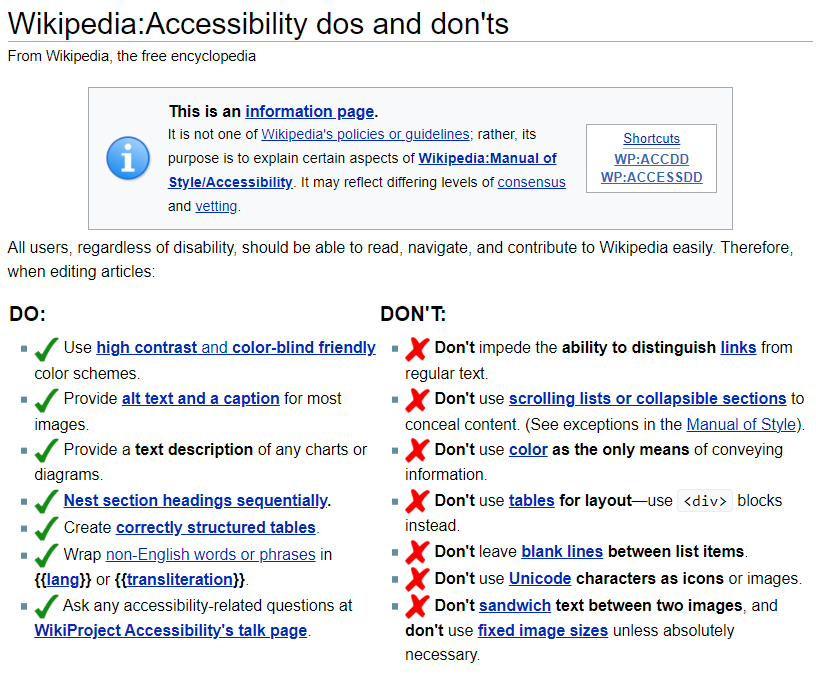
Accessibility, often abbreviated as a11y (there are 11 letters between 'a' and 'y'), means designing for everyone. This includes people with visual impairments, hearing loss, motor difficulties, or cognitive disabilities.
Good accessibility practices, like using high-contrast colors, providing text alternatives for images, and ensuring keyboard navigation, don't just benefit users with disabilities. They often create a better experience for all users. For example, captions on a video help someone who is hard of hearing, but also someone watching in a noisy environment.
Putting the User First
How do designers ensure their products are usable and accessible? They follow a process called User-Centered Design (UCD). This is an iterative approach that puts the user's needs, wants, and limitations at the center of every stage of the design process.
The core idea is simple: don't assume you know what users want. Instead, find out.
To truly understand users, designers rely on research. This isn't about asking people what they want; it's about observing what they do. Common user research methods include interviews, surveys, and usability testing, where a designer watches someone use a product to identify pain points.
From this research, designers create personas. A persona is not a real person, but a fictional character that represents a key user group. It synthesizes the goals, motivations, and frustrations of many real people into one relatable profile.
Persona Example: The Busy Parent
- Name: Sarah, 38
- Occupation: Marketing Manager & Parent of two
- Goals: Quickly find healthy, easy-to-make recipes for weeknight dinners.
- Frustrations: Websites with too many pop-up ads and complicated ingredient lists. She's often browsing on her phone with one hand while managing her kids.
Creating personas like Sarah helps the entire team—from designers to developers—stay focused on who they're building for. Whenever a decision needs to be made, they can ask, "What would Sarah do?" This simple question helps create products that solve real problems for real people.
What is the primary goal of User Experience (UX) design?
A user returns to an app after a month and can easily pick up where they left off without re-learning the interface. This is a direct example of which usability factor?
By focusing on usability, accessibility, and a user-centered process, UX design transforms technology from a tool that simply functions into an experience that is truly helpful and enjoyable.