AI Transforming Education
Introduction to AI in Education
What is AI?
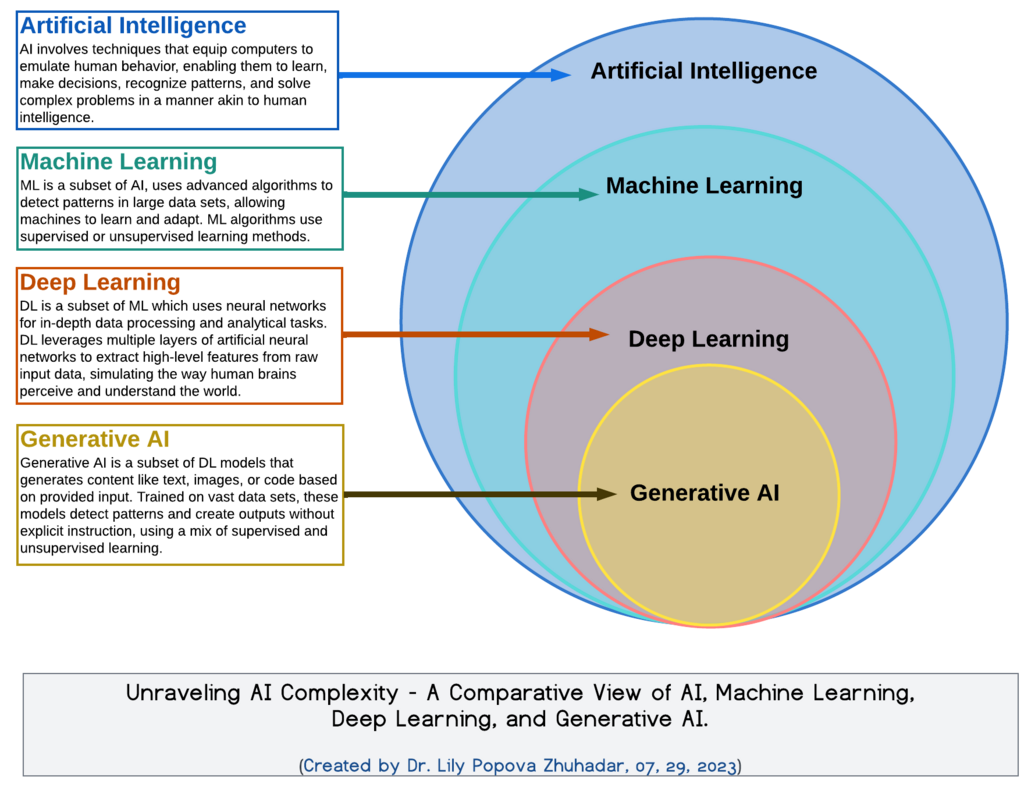
Artificial intelligence, or AI, is the simulation of human intelligence in machines. At its core, it's about creating computer systems that can perform tasks that typically require human smarts, like learning, reasoning, problem-solving, and understanding language.
The idea isn't new. Thinkers have dreamed of creating intelligent machines for centuries. The modern field of AI, however, kicked off in the 1950s. A key moment was the Dartmouth Workshop in 1956, where the term "artificial intelligence" was officially coined. Early AI was full of optimism, with researchers believing a machine as intelligent as a human was just a few decades away. Progress was slower than expected, but steady advancements in computing power and data storage eventually paved the way for the powerful AI we see today.
Artificial Intelligence
noun
The theory and development of computer systems able to perform tasks that normally require human intelligence, such as visual perception, speech recognition, decision-making, and translation between languages.
Within the broad field of AI, you'll often hear terms like Machine Learning and Deep Learning. They aren't interchangeable. Machine Learning is a subset of AI where systems learn from data to identify patterns and make decisions. Deep Learning is a further subset of Machine Learning that uses complex, multi-layered neural networks to solve even more intricate problems, like recognizing images or understanding human speech.
AI in the Classroom
So how does this technology show up in education? It's not about robots replacing teachers. Instead, AI serves as a powerful assistant, tool, and tutor. The technologies used can be grouped by what they do for students and educators.
One of the biggest impacts is personalized learning. AI can create learning paths tailored to each student's pace and style. If a student is struggling with algebra, an AI-powered system can offer extra practice problems and targeted hints. If another masters a concept quickly, the system can introduce more advanced topics.
AI also automates administrative tasks that can take up a lot of a teacher's time. This includes grading multiple-choice quizzes, managing schedules, and flagging potential plagiarism. By handing these jobs over to a machine, educators can focus more of their energy on what matters most: teaching and mentoring students.
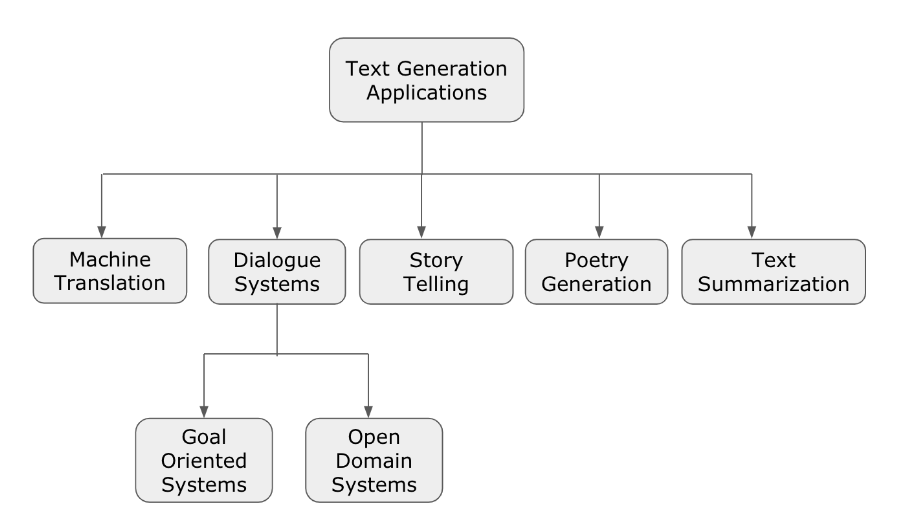
Finally, AI is becoming a tool for creating and enhancing educational content. It can help design interactive simulations, generate practice questions, or even translate materials into different languages to support a diverse classroom. This allows for richer, more engaging learning materials.
Artificial intelligence (AI) has the potential to tackle some of the biggest challenges in today’s education landscape, innovate teaching and learning practices and accelerate progress in learning.
A New Way to Teach and Learn
The integration of AI transforms the educational experience. For learners, it means getting instant feedback. Instead of waiting for a teacher to grade a paper, a student can get immediate suggestions on their writing, helping them learn and correct mistakes in the moment. It also makes learning more accessible, providing support 24/7.
For teachers, AI provides a new lens through which to see their students' progress. Data from AI tools can highlight which topics the class is struggling with as a whole, or which individual students might need extra help. This allows for more effective, targeted instruction.
The fundamental relationship between teacher and student remains, but AI enhances it. The teacher evolves from being just a source of information to a facilitator of learning, guiding students as they navigate their personalized educational journeys.
Let's check your understanding of these foundational concepts.
What is the core concept of Artificial Intelligence (AI)?
The term "artificial intelligence" was officially coined at which key event in 1956?