AI Transformation for Startup Efficiency
Introduction to AI
What is AI, Really?
Artificial Intelligence, or AI, is about creating systems that can perform tasks that normally require human intelligence. This includes things like learning from experience, understanding language, recognizing patterns, and making decisions. Think of it as teaching a machine to think and solve problems on its own.
Today, almost all the AI you interact with is called Artificial Narrow Intelligence (ANI). It's designed for one specific task. The AI that recommends movies, a chatbot that answers customer questions, or software that detects spam emails are all examples of ANI. They're incredibly good at their one job, but they can't perform tasks outside of their programming.
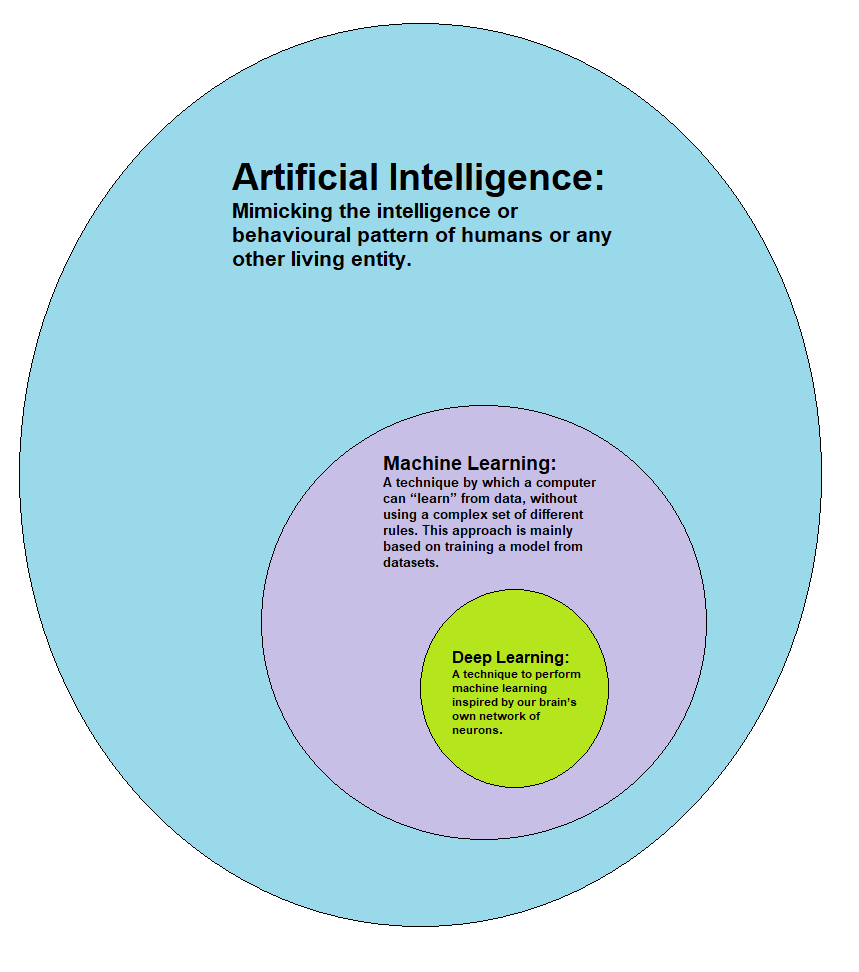
The other types you might hear about are Artificial General Intelligence (AGI), which would have human-like cognitive abilities, and Artificial Superintelligence (ASI), which would surpass human intelligence. For now, these are purely theoretical. As a business owner, your focus will be on the practical applications of Narrow AI.
A Game-Changer for Small Businesses
AI isn't just for big tech companies with huge budgets. It's an accessible tool that can give small businesses a serious competitive edge. By automating tasks and providing powerful insights, AI helps you work smarter, not harder.
For small businesses, artificial intelligence is leveling the playing field with larger organizations, offering new levels of scalability and productivity that may have once felt unattainable.
Here are the core benefits:
- Enhanced Efficiency: AI can automate repetitive, time-consuming tasks like data entry, scheduling, and sending follow-up emails. This frees you and your team to focus on strategic work that grows the business.
- Reduced Costs: Automating processes means you can do more with fewer resources. AI can optimize inventory, predict maintenance needs, and handle customer queries, all of which lower operational expenses.
- Driven Growth: AI tools analyze customer data to uncover trends and behaviors. This allows you to personalize marketing, improve your products, and create better customer experiences, leading to higher sales and loyalty.
Common AI Tools in Action
You don't need to build an AI from scratch. Many affordable, user-friendly AI tools are available that plug directly into your existing operations. They can be applied across different parts of your business.
| Business Function | AI Application Examples |
|---|---|
| Marketing & Sales | Generate social media posts, write email campaigns, personalize product recommendations, analyze market trends. |
| Customer Service | Use 24/7 chatbots to answer common questions, automatically route support tickets, analyze customer feedback. |
| Operations | Forecast demand to manage inventory, optimize delivery routes, automate scheduling. |
| Finance & Admin | Detect fraudulent transactions, categorize expenses, draft reports and documents. |
For example, a small online store can use an AI tool to automatically recommend products to customers based on their browsing history. This simple feature can significantly increase the average order value without any manual effort.
Learning From Success
Let's look at how two different small businesses might use AI.
Case Study 1: The Local Bakery A bakery owner uses an AI-powered social media tool to schedule posts for the entire week, featuring daily specials and customer photos. The AI suggests the best times to post for maximum engagement. This saves her several hours a week and helps her reach more local customers, boosting foot traffic.
This is a perfect example of using AI to handle a repetitive marketing task, freeing up the owner to focus on what she does best: baking.
Case Study 2: The Freelance Consultant A consultant installs an AI chatbot on his website. The chatbot answers frequently asked questions about his services and pricing, and even schedules initial consultation calls directly into his calendar. This ensures he never misses a potential lead, even when he's busy with client work.
In both cases, the business owner identified a bottleneck—marketing content creation and lead capture—and used a simple AI tool to solve it efficiently.
Ready to check your understanding? Let's see what you've learned.
The AI systems available for small businesses today, like chatbots and product recommendation engines, fall under which category?
What is a primary benefit of using AI to automate repetitive tasks like data entry and scheduling?
Understanding these core concepts is the first step. By starting small and focusing on real business needs, you can begin to unlock the power of AI for your startup.