AI Transformation for PMs and Designers
Introduction to AI
What Is AI?
Artificial intelligence, or AI, is about making computers smart. The goal is to build machines that can perform tasks that usually require human intelligence, like learning, reasoning, and problem-solving. Think of it as teaching a computer to see the world, understand language, or make decisions on its own.
At its core, AI is a broad field of computer science focused on creating systems that can simulate human thought processes.
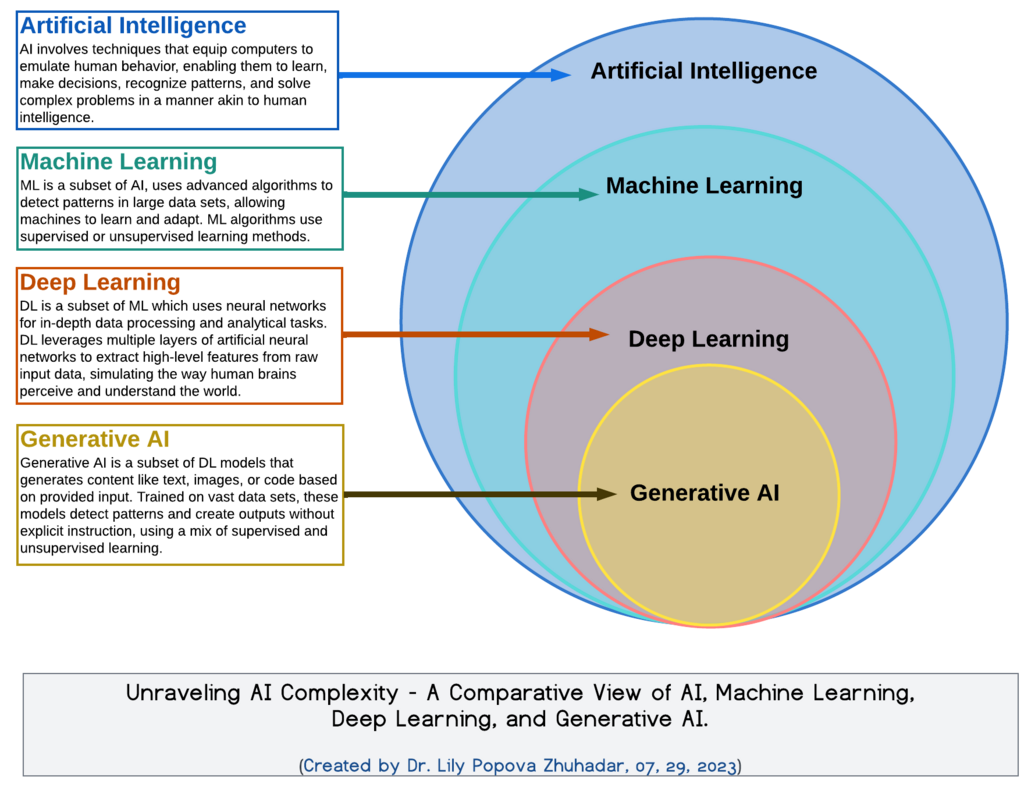
This field isn't just one single technology. It's an umbrella term that covers several different approaches and subfields. The most important ones to know are machine learning and deep learning, which are nested within each other.
Key Flavors of AI
Under the big AI umbrella, there are a few key specializations. Understanding them helps clarify what people mean when they talk about AI.
Machine Learning
noun
A subset of AI where systems learn and improve from experience without being explicitly programmed. Instead of following a strict set of rules, the machine analyzes data to find patterns.
Deep learning is a more advanced type of machine learning. It uses complex structures called neural networks, which are inspired by the human brain. These networks have many layers, allowing them to learn from huge amounts of data. This is the technology behind self-driving cars recognizing pedestrians and AI systems that can generate realistic images.
If machine learning is like a student learning from flashcards, deep learning is like a student reading an entire library to understand a subject deeply.
Another major area is Natural Language Processing, or NLP. This is all about teaching computers to understand, interpret, and generate human language. Every time you use a translation app, talk to a voice assistant like Siri or Alexa, or see auto-complete suggestions as you type, you're interacting with NLP.
AI in the Real World
AI isn't just a futuristic concept; it's already integrated into many parts of our daily lives and industries. In healthcare, AI helps doctors diagnose diseases earlier by analyzing medical images like X-rays and MRIs. In finance, it detects fraudulent transactions by identifying unusual spending patterns.
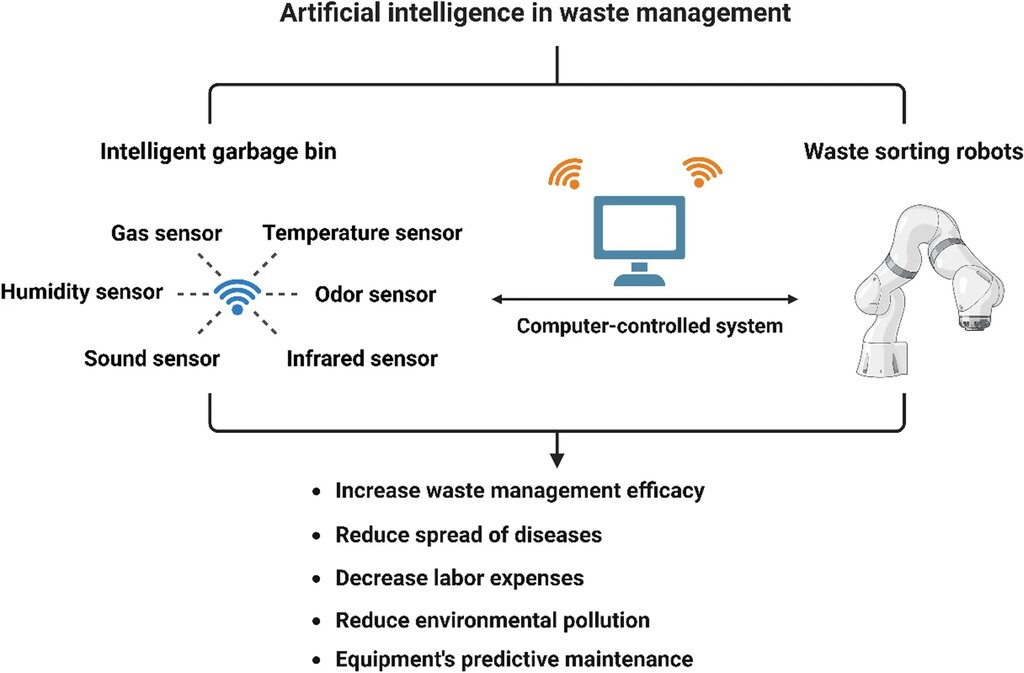
Entertainment is another big area. Streaming services use AI to recommend movies and shows based on your viewing history. In the world of online shopping, AI powers recommendation engines that suggest products you might like, personalizing the experience for millions of users.
The Road Ahead
The field of AI is moving quickly. One of the biggest current trends is generative AI—systems that can create new content, from text and images to music and code. This has led to powerful tools that can write essays, design logos, or even help developers write software.
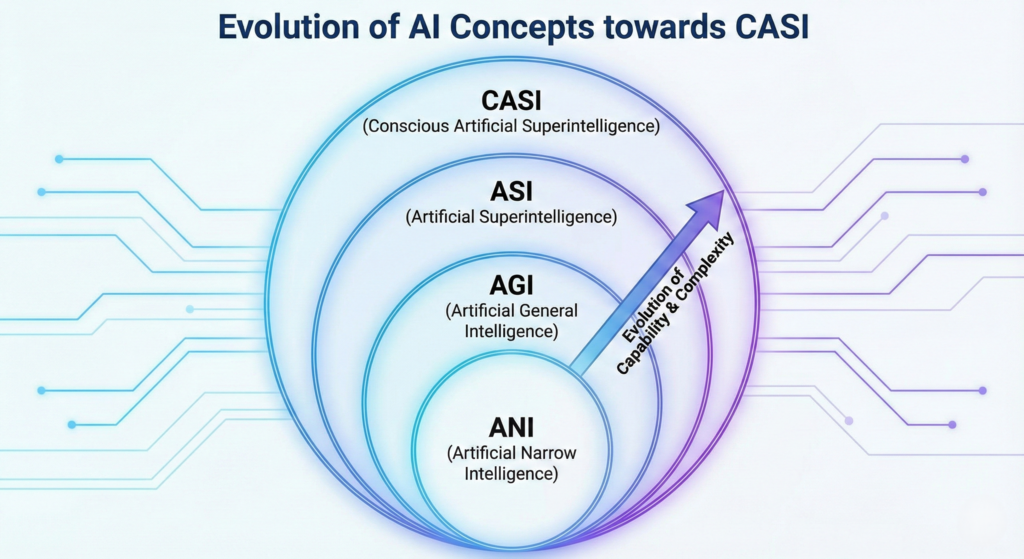
Looking forward, the goal for many researchers is to develop Artificial General Intelligence (AGI). This refers to a hypothetical type of AI that could understand or learn any intellectual task that a human being can. While today's AI is powerful in specific domains, AGI represents a future where machines could reason, plan, and solve problems with the same flexibility and breadth as a person. The journey to AGI is long, but the progress we're seeing today is paving the way.