AI Toothbrush Technology
Introduction to AI in Oral Hygiene
AI Meets Your Smile
Artificial intelligence isn't just for self-driving cars or complex data analysis anymore. It's making its way into our daily routines in surprising ways, including the simple act of brushing our teeth. This technology is bridging the gap between your bi-annual dental visit and your day-to-day oral care, aiming to make every brush count.
From the Clinic to Your Counter
The journey of AI in dentistry began in professional settings. For years, dentists and orthodontists have used AI-powered software to analyze X-rays, design crowns, and plan complex treatments. These systems can spot subtle signs of decay or disease that might be missed by the human eye and help create perfectly fitted dental implants or aligners.
The core idea was to use machine learning to analyze vast amounts of data—like thousands of dental scans—to recognize patterns and predict outcomes. This improved diagnostic accuracy and helped create more effective, personalized treatment plans for patients.
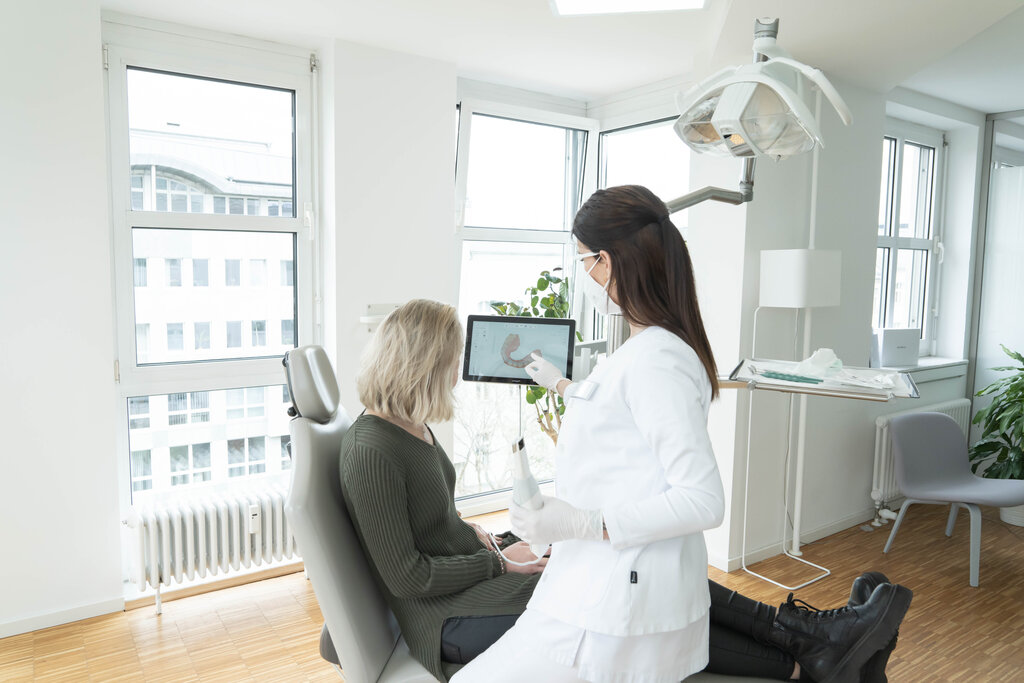
Seeing the success in clinics, innovators wondered: what if this same technology could be placed directly into the hands of consumers? The goal shifted from treating problems to preventing them in the first place. By bringing AI into our homes, oral hygiene could become proactive rather than reactive.
Your Personal Dental Coach
Enter the AI-powered toothbrush. Think of it less as a toothbrush and more as a personal oral hygiene coach that lives in your bathroom. These devices are embedded with sensors that track your brushing habits in real time. They monitor which teeth you're brushing, how long you spend on each area, and whether you're applying the right amount of pressure.
The AI algorithm has learned from thousands of human brushing styles how to identify the brush location in the mouth, based on brush-sensor data.
This data is then analyzed by an AI algorithm, which provides immediate feedback, often through a connected app. It might tell you that you consistently miss your back molars or that you're brushing too hard on your gums. Over time, it learns your specific habits and offers tailored advice to help you improve.
The primary benefit is personalization. We all have unique mouths and different brushing styles. A generic two-minute timer doesn't account for this. AI customizes your routine, ensuring you give every tooth the attention it needs. It turns a mundane chore into an interactive experience focused on improving your health.
Let's check your understanding of these new concepts.
What was one of the initial applications of AI in professional dentistry, before it was used in consumer products?
What is the primary goal of integrating AI into home oral care products like toothbrushes?
By bringing intelligent technology into our daily habits, the future of oral care is becoming more personalized and preventive than ever before.