AI Tools Mastery
Introduction to AI Tools
More Than a Buzzword
Artificial intelligence is no longer just a concept from science fiction. It's a practical set of tools that can help you work smarter and create amazing things. Think of AI tools as super-powered assistants. They can write, draw, code, analyze data, and organize your schedule, freeing you up to focus on the bigger picture.
At their core, AI tools are software programs designed to perform tasks that typically require human intelligence. This includes learning from data, understanding language, recognizing images, and making decisions. They aren't here to replace human thinking, but to augment it. By handling repetitive or complex tasks, they allow us to be more efficient and innovative in our own work.
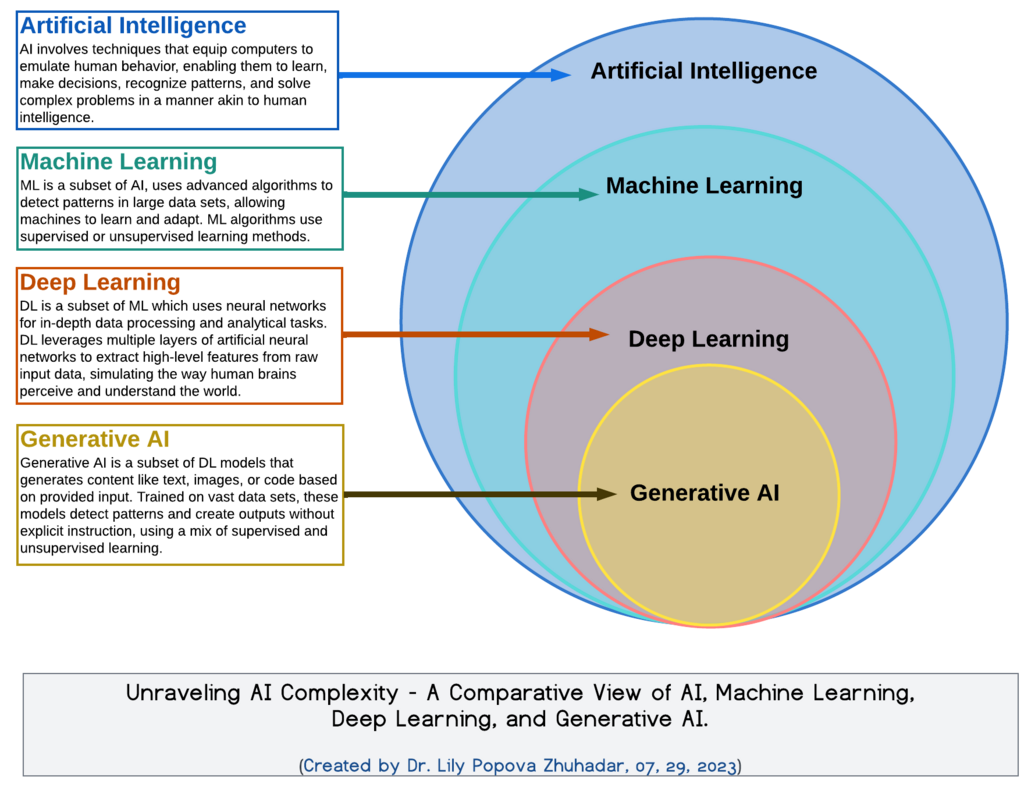
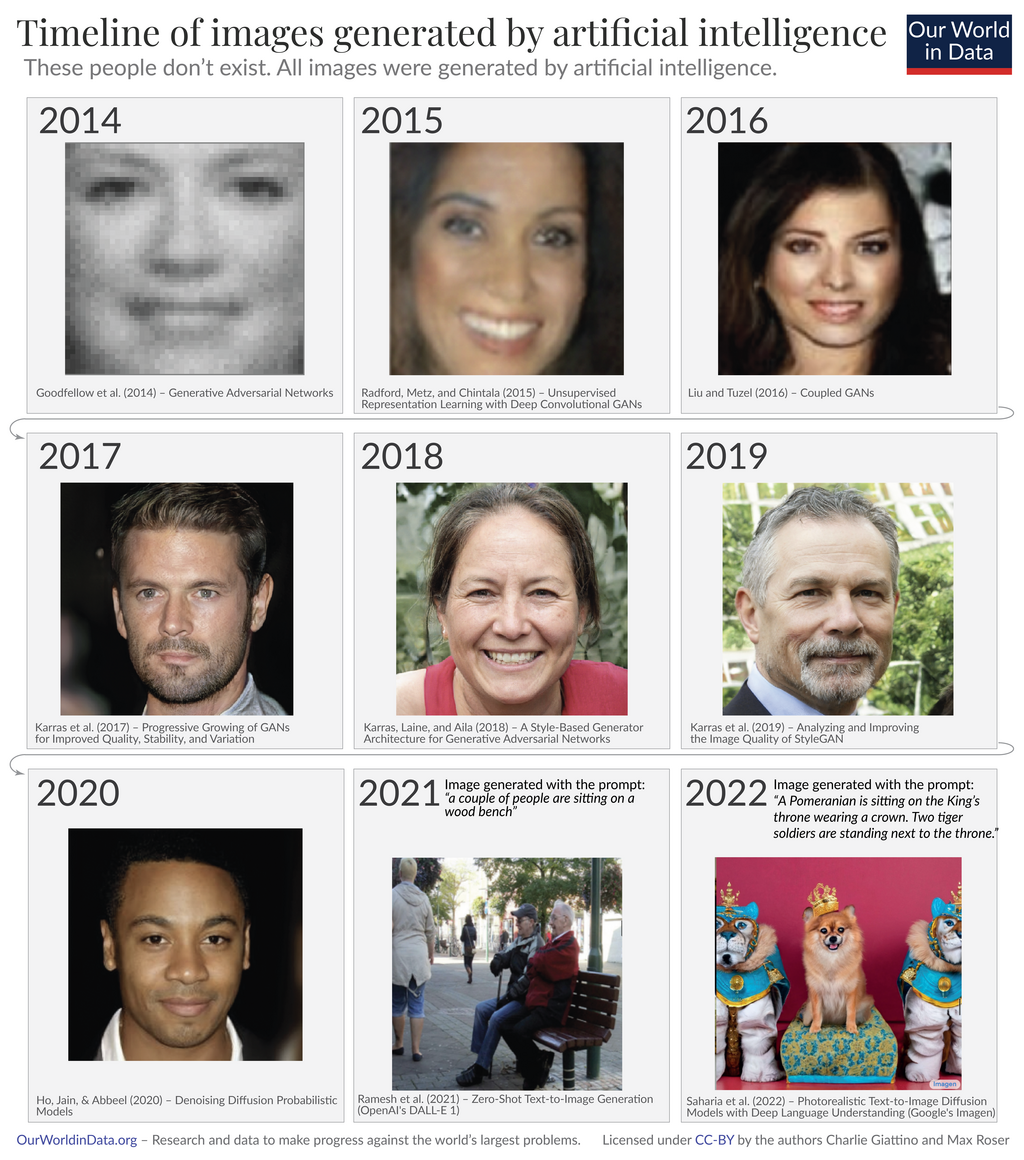
The idea of artificial intelligence has been around for decades, but it's only recently that these tools have become widely accessible. Early AI was mostly confined to research labs and universities. The massive increase in computing power and the availability of vast amounts of data changed everything. Suddenly, AI could learn and improve at an incredible speed.
This led to a rapid evolution from theoretical models to powerful, user-friendly applications. We've gone from AI that could barely play chess to systems that can generate photorealistic images from a simple text description in a matter of years.
A Tool for Every Task
AI tools are now being used in nearly every industry imaginable. In healthcare, they help doctors analyze medical scans to detect diseases earlier. In finance, they identify fraudulent transactions. Marketers use AI to personalize customer experiences, and software developers use it to write and debug code more quickly.
But you don't need to be a data scientist to benefit. AI has become a part of everyday creative and professional work. Writers use it to brainstorm ideas and overcome writer's block. Designers generate visual concepts in seconds. Project managers automate scheduling and reporting. The applications are practically endless, turning complex jobs into manageable tasks.
| Tool Category | Common Uses |
|---|---|
| Generative AI | Writing emails, creating images, composing music |
| Automation Tools | Sorting data, organizing schedules, managing workflows |
| Analysis Tools | Finding trends in data, summarizing long documents |
| Personal Assistants | Setting reminders, answering questions, managing tasks |
Enhancing Your Workflow
So, why should you learn to use these tools? The two biggest benefits are boosts in productivity and creativity.
On the productivity side, AI can automate the tedious parts of your job. Think about all the time spent on repetitive tasks like formatting reports, answering common emails, or transcribing meetings. AI tools can handle these, giving you more time to focus on strategic thinking and problem-solving.
For creativity, AI acts as an incredible collaborator. It can help you break through creative blocks by suggesting new ideas, generating different versions of a design, or even helping you explore entirely new styles. It's like having an always-on brainstorming partner that never runs out of inspiration.
The goal isn't to let AI do your work for you. It's to use AI to do your work better and faster.
Familiar names in this space include ChatGPT for text generation, Midjourney for image creation, and countless others designed for specific tasks like Notion AI for organization or Synthesia for video creation. Integrating these tools into your daily workflow is becoming a key skill for staying competitive and innovative.
This course will equip you with the foundational knowledge to confidently use these tools. You'll learn how to choose the right tool for the job, craft effective instructions, and evaluate the results to enhance your personal and professional projects.
According to the text, what is the primary purpose of modern AI tools in the workplace?
What were the two key developments that enabled AI to evolve from theoretical models into powerful, user-friendly applications?