AI Tools Mastery
Introduction to AI Tools
What Are AI Tools?
When you hear “artificial intelligence,” you might picture sci-fi robots. But in reality, AI is all around us, often working quietly in the background. AI tools are simply software applications designed to perform tasks that typically require human intelligence. Think of them as smart assistants that can understand language, recognize patterns, make decisions, and even create new content.
Artificial Intelligence
noun
A field of computer science dedicated to creating systems capable of performing tasks that normally require human intelligence.
These tools aren't a single type of technology. They range from simple programs that automate repetitive tasks, like sorting emails, to highly complex systems that can help scientists analyze vast datasets to find new medical treatments. The core idea is always the same: using machines to handle cognitive work, freeing up humans to focus on more creative and strategic challenges.
A Quick Trip Through Time
The dream of artificial intelligence has been around for decades, but for a long time, it was mostly theoretical. Early AI was limited by a lack of computing power and data. Computers just weren't fast enough, and they didn't have enough information to learn from effectively.
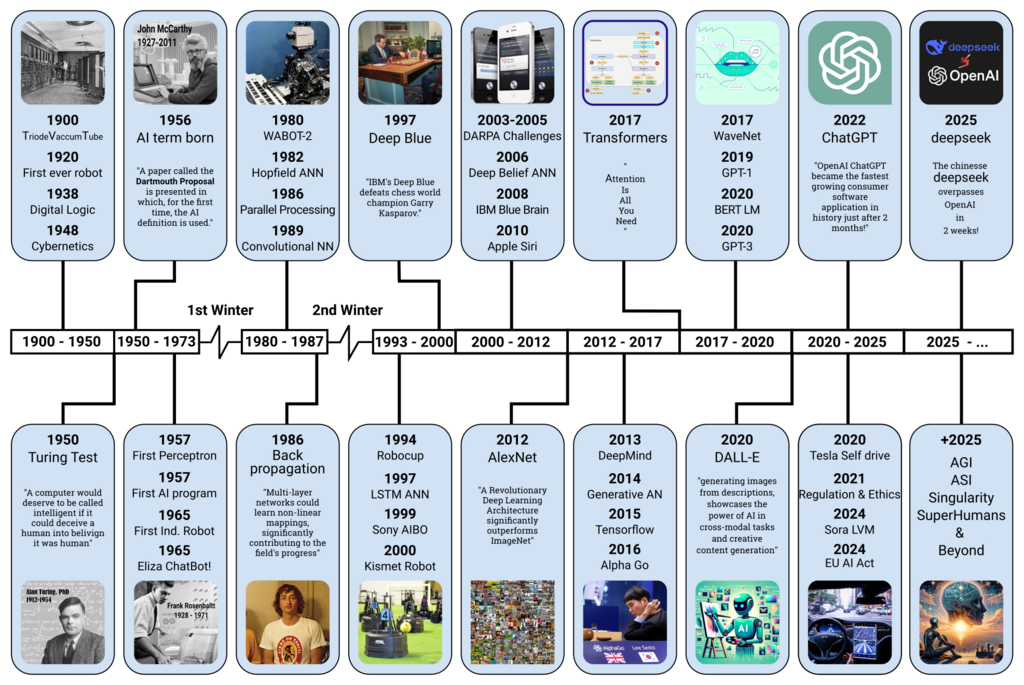
Everything changed with the rise of the internet and the explosion of digital data. Suddenly, AI models had massive amounts of text, images, and other information to train on. Paired with huge leaps in computer processing speed, this created the perfect environment for AI to become practical. What was once confined to research labs is now available on our phones and laptops.
Why AI Tools Matter
The main benefit of AI tools is a massive boost in productivity. By automating routine and time-consuming tasks, they allow us to get more done in less time. Imagine a graphic designer who can generate dozens of initial ideas in minutes, or a marketer who can analyze customer feedback almost instantly. AI handles the grunt work, so people can focus on the big picture.
AI tools are designed to augment our abilities, not just replace them. They act as a partner, helping us solve problems and create in ways that weren't possible before.
This impact isn't limited to one or two fields. In healthcare, AI helps doctors spot diseases earlier. In finance, it detects fraudulent transactions. In entertainment, it recommends your next favorite show. The integration of AI into our daily work and personal lives is making processes more efficient, personalized, and insightful across the board.
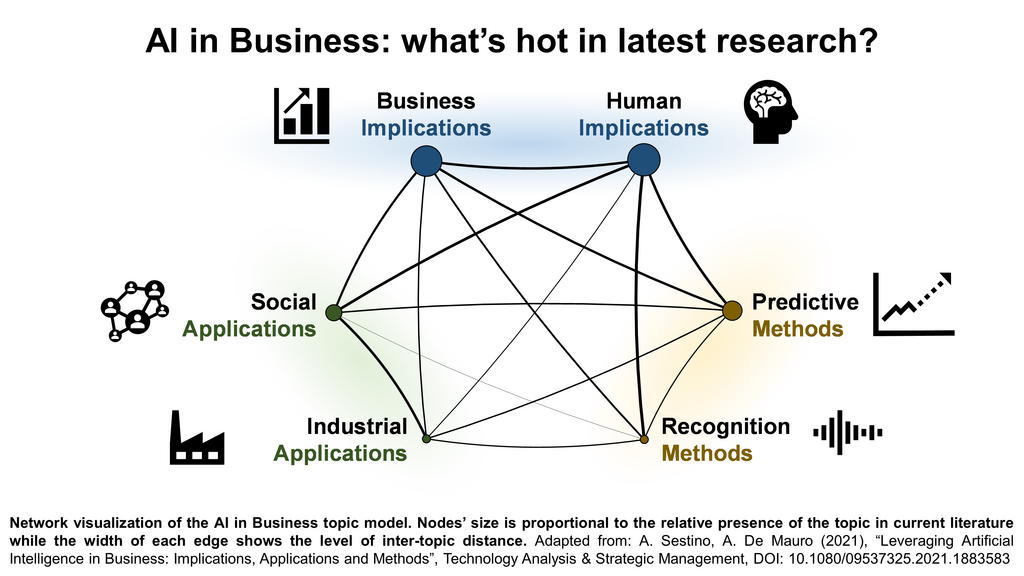
From the moment you ask a smart speaker for the weather to when your email app suggests a reply, you're interacting with AI. These tools have become so woven into our technology that we often don't even notice them. Understanding what they are and how they work is the first step toward harnessing their full potential.
Using artificial intelligence (AI) tools can make your career development journey more productive and efficient.
Let's check your understanding of these foundational concepts.
What is the core function of AI tools as described in the text?
What two major developments were crucial for the recent and rapid growth of practical AI?
Now that you have a solid grasp of what AI tools are and why they're important, you're ready to dive deeper into specific applications and how they can transform the way you work.