AI Tools in the Czech Republic An Introduction
Introduction to AI
What Is AI?
Artificial intelligence, or AI, is about making computers that can think and learn in ways that seem human. It's not about creating conscious robots from science fiction. Instead, it’s about enabling machines to perform tasks that typically require human intelligence, like recognizing speech, making decisions, or spotting patterns.
The idea has been around for decades. Early pioneers in the 1950s imagined a future with thinking machines. Progress was slow at first, marked by periods of excitement followed by disappointment. But thanks to massive increases in computing power and the availability of huge amounts of data, AI has exploded in recent years. It's now a part of daily life, from the recommendation engine that suggests your next movie to the navigation app that finds the fastest route home.
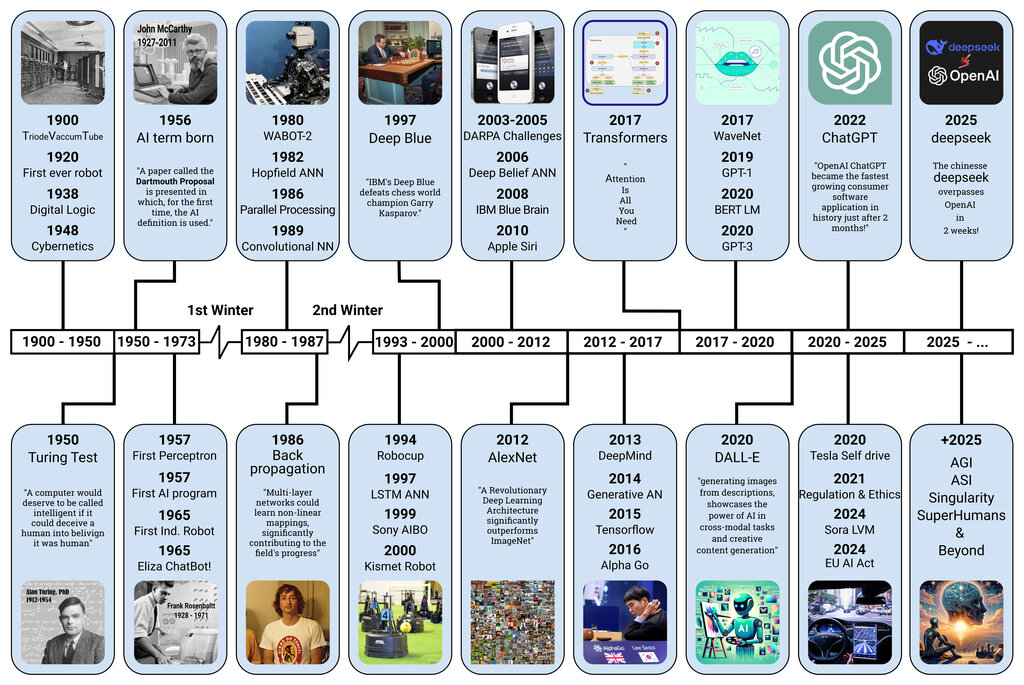
At its core, AI is about creating algorithms—sets of rules or instructions—that allow a computer to solve problems. These aren't just simple instructions, though. They're designed to help the machine learn from experience, much like we do.
Two Kinds of AI
AI isn't a single concept; it exists on a spectrum. The two main types you'll hear about are Artificial Narrow Intelligence (ANI) and Artificial General Intelligence (AGI).
Artificial Narrow Intelligence (ANI), sometimes called Weak AI, is what we have today. This type of AI is designed to perform a single, specific task very well. A chess-playing computer, a spam filter for your email, or a voice assistant like Siri are all examples of ANI. They are incredibly powerful in their specialized domains but can't operate outside of them. The AI that beats a grandmaster at chess can't turn around and recommend a good recipe for dinner.
Artificial General Intelligence (AGI), or Strong AI, is the more futuristic concept. This is an AI with the ability to understand, learn, and apply its intelligence to solve any problem, just like a human being. AGI doesn't exist yet and is still the subject of intense research and debate. It represents the goal of creating a machine with a flexible, adaptable intelligence that mirrors our own.
Today, all AI is narrow AI. It's excellent at specific tasks but lacks the general understanding and consciousness of human intelligence.
Core Subfields of AI
AI is a massive field, but a few key areas drive most of the progress we see today. Think of them as the pillars that support the entire structure.
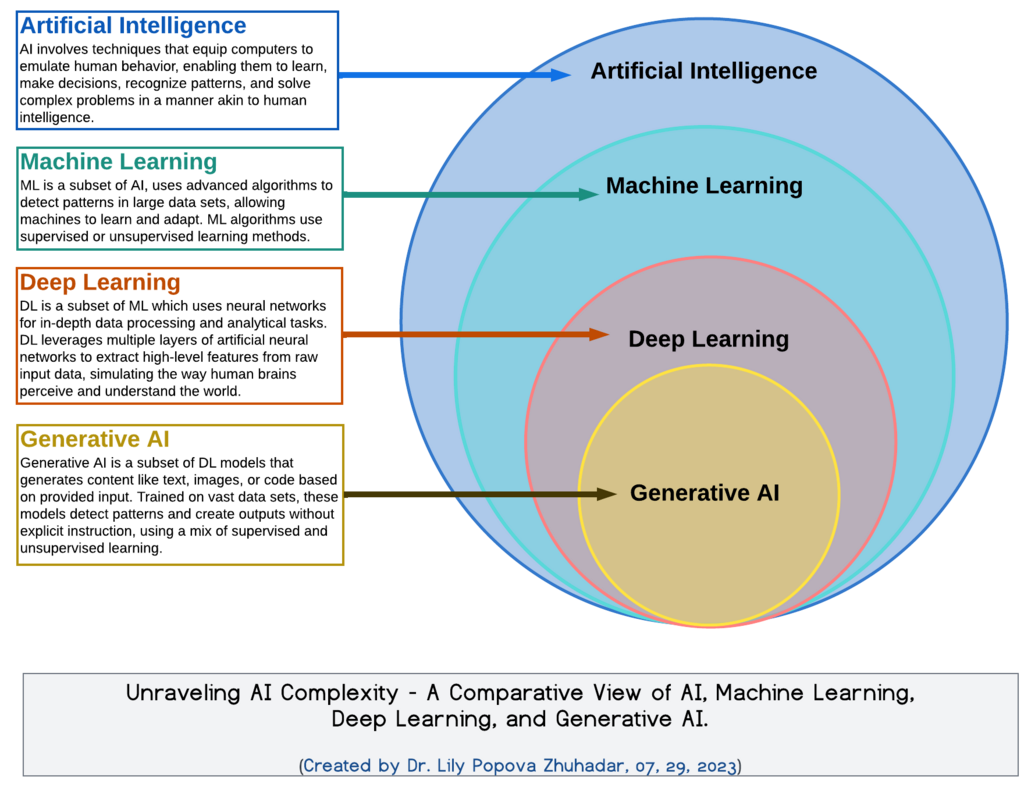
Machine Learning (ML) is the engine of modern AI. Instead of being explicitly programmed with rules, an ML system learns directly from data. It identifies patterns and makes predictions. For example, a bank uses ML to analyze transaction data and learn what a fraudulent purchase looks like. Over time, as it sees more examples, it gets better at flagging suspicious activity.
Natural Language Processing (NLP) focuses on the interaction between computers and human language. NLP is what allows you to talk to your phone, translate a webpage from Spanish to English, or have a chatbot understand your questions. It's a complex field that deals with understanding not just words, but context, sentiment, and intent.
Computer Vision gives machines the ability to see and interpret the visual world. This technology helps self-driving cars identify pedestrians and stop signs. It also powers facial recognition for unlocking your phone and helps doctors analyze medical images like X-rays to spot diseases earlier.
| Subfield | Goal | Real-World Example |
|---|---|---|
| Machine Learning | Learn patterns from data | Email spam filtering |
| Natural Language Processing | Understand and generate human language | Smart assistants like Alexa or Siri |
| Computer Vision | Interpret and understand visual information | Tagging friends in photos automatically |
Ethics and Society
As AI becomes more powerful, it raises important questions. The data used to train AI models can contain hidden biases related to race, gender, or age. If a model is trained on biased data, its decisions will also be biased. For example, an AI hiring tool trained on historical company data might learn to favor male candidates, simply because men held more of those positions in the past.
Privacy is another major concern. AI systems often require vast amounts of personal data to function, from our location history to our online conversations. How this data is collected, used, and protected is a critical issue.
Finally, the societal impact of AI is huge. It has the potential to automate jobs, transform industries, and even change how we interact with each other. Navigating these changes requires careful thought and planning to ensure that AI is developed and used responsibly, for the benefit of everyone.
Use of artificial intelligence (AI) in human contexts calls for ethical considerations for the design and development of AI-based systems.
Understanding these foundational concepts is the first step. With this groundwork, you can begin to see how AI is not just a technology, but a force that is reshaping our world.
Time to test your knowledge on the basics of AI.