AI Tools for Secondary Educators
Introduction to AI
What Is AI?
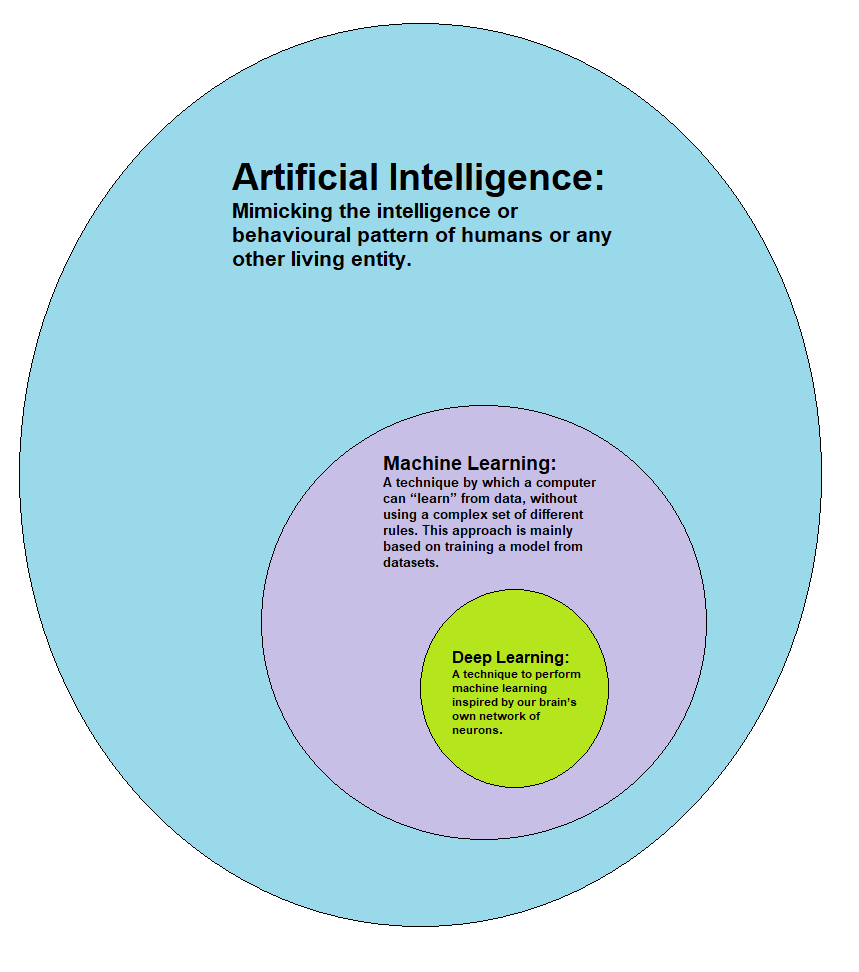
Artificial intelligence is about creating machines that can perform tasks that typically require human intelligence. This includes things like learning, reasoning, problem-solving, perception, and using language. Think of it less like programming a computer with rigid, step-by-step instructions, and more like teaching it to recognize patterns and make decisions on its own.
Artificial Intelligence
noun
The theory and development of computer systems able to perform tasks that normally require human intelligence, such as visual perception, speech recognition, decision-making, and translation between languages.
At its core, AI is a broad field of computer science. The ultimate goal is to build systems that can operate autonomously, adapting to new information and changing circumstances. It's a field that encompasses many different methods and subfields, each tackling a different aspect of intelligence.
A Brief History
The dream of intelligent machines is ancient, but the formal field of AI research began in the mid-20th century. A key moment was the Dartmouth Workshop in 1956, where the term "artificial intelligence" was first coined. Early researchers were incredibly optimistic, believing that a machine as intelligent as a human being was just a few decades away.
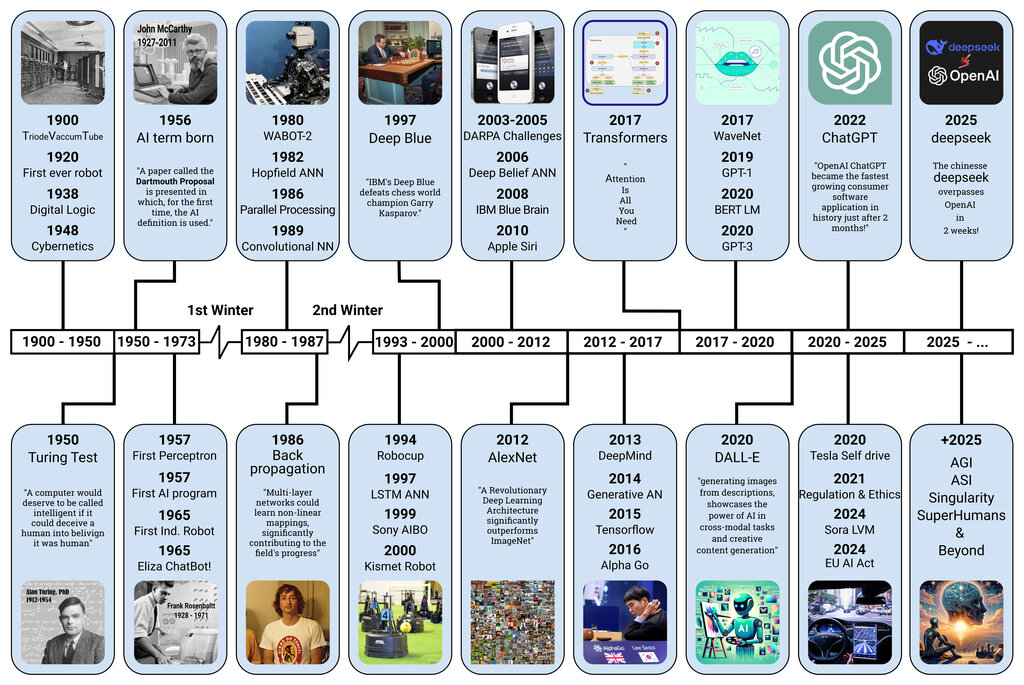
However, progress was slower than expected. The complexity of creating intelligence was far greater than anticipated, leading to periods of reduced funding and interest known as "AI winters." But the field always rebounded. In recent decades, the availability of massive amounts of data and huge increases in computing power have fueled an explosion of progress, bringing AI out of the lab and into our daily lives.
Core Components of AI
Modern AI is built on several key concepts. Understanding them is the first step to understanding how AI works.
Machine Learning (ML) This is a subset of AI where systems learn directly from data, rather than being explicitly programmed. Instead of writing code that says "if you see this, do that," you give the algorithm a vast number of examples. It learns the patterns and relationships within the data to make predictions or decisions about new, unseen data.
Think of it like this: you can teach a child what a cat is by showing them hundreds of pictures of cats. Eventually, they learn the features of a cat (whiskers, pointy ears, fur) and can identify a cat they've never seen before. Machine learning works in a very similar way.
Neural Networks Inspired by the structure of the human brain, neural networks are a key part of many machine learning models, especially for complex tasks like image recognition. They are made up of layers of interconnected nodes, or "neurons."
Each connection has a weight, which is adjusted during the learning process. As the network processes data, it tunes these weights to produce more accurate outputs. When a network has many layers, it's referred to as "deep learning."
Natural Language Processing (NLP) NLP is a branch of AI focused on enabling computers to understand, interpret, and generate human language. It's the technology behind virtual assistants like Siri and Alexa, language translation apps, and spam filters in your email.
NLP involves breaking down language into its component parts (like grammar and semantics), understanding the context, and generating a response that is coherent and relevant. It's one of the most challenging areas of AI, as human language is filled with ambiguity, nuance, and slang.
Now that you have a foundational understanding of what AI is, its history, and its core components, let's test your knowledge.
What is the primary goal of Artificial Intelligence?
Machine Learning is a subset of AI where systems are explicitly programmed for every possible scenario.
These building blocks are the foundation upon which the entire world of artificial intelligence is built. In the next section, we'll explore how these concepts are applied in the world around us, including in education.