AI Tools for Research
Introduction to AI in Research
AI in the Research Lab
Artificial intelligence in research isn't about robots in lab coats making discoveries on their own. Instead, think of AI as a powerful assistant. It's a collection of tools designed to handle specific, often tedious, parts of the research process, freeing up human researchers to focus on critical thinking, creativity, and interpretation.
AI's role spans from organizing vast libraries of information to finding subtle patterns in complex data. The main jobs it helps with are data analysis, sorting through existing literature, and even helping to draft and refine written content. By automating these tasks, AI allows researchers to work faster and more efficiently.
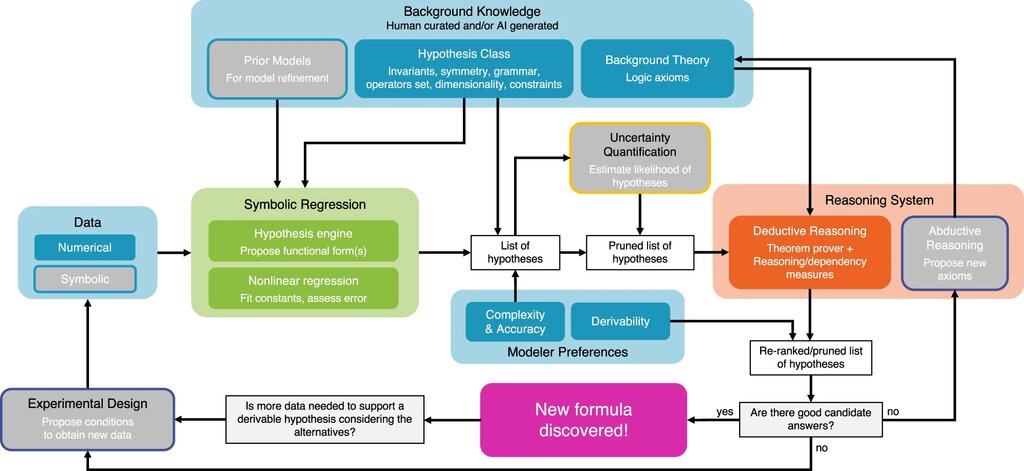
The journey of AI in research began simply. Early tools were little more than sophisticated search engines, helping researchers find relevant papers. Over time, these evolved. Statistical software began incorporating machine learning to analyze data more deeply. Now, we have generative AI models that can summarize articles, write code for data analysis, and even suggest new research questions.
Changing How We Discover
AI is fundamentally altering the research workflow. A literature review that once took weeks of manual searching can now be done in a fraction of the time. AI tools can scan thousands of papers, identify themes, and even pinpoint gaps in existing knowledge. This speed allows researchers to get to the heart of their work more quickly.
For data analysis, AI can process datasets far larger and more complex than a human could manage. It excels at identifying hidden correlations and patterns that might otherwise go unnoticed. This capability is pushing the boundaries of discovery in fields from genomics to astronomy. The result is a shift from purely hypothesis-driven research to a more exploratory approach, where insights can emerge directly from the data.
This streamlined process doesn't replace the researcher. Instead, it changes their role. The focus shifts from information gathering to information synthesis and critical evaluation. The researcher's expertise becomes even more important in guiding the AI, interpreting its outputs, and ensuring the final conclusions are sound.
The Ethical Tightrope
With great power comes great responsibility. Using AI in research introduces new ethical challenges that must be navigated carefully. AI models are trained on existing data, and if that data contains biases, the AI will learn and perpetuate them. This can lead to skewed results that reinforce societal inequalities.
Data privacy is another major concern, especially when working with sensitive information. Researchers must ensure that the AI tools they use comply with data protection regulations.
Finally, there's the issue of integrity. It's crucial to verify any information or analysis generated by an AI. These tools can make mistakes or
AI should be seen as a research assistant, not an author. The final work, and the responsibility for its accuracy, always rests with the human researcher.
Properly citing the use of AI tools is also becoming a standard practice. Transparency is key to maintaining trust in the research process.
Although GenAI tools can enhance research efficiency through automation of tasks such as literature review and data analysis, their use raises concerns about aspects such as data accuracy, privacy, bias, and research integrity.
Here are some of the main categories of AI tools researchers are using today:
- Literature Review Tools: These platforms (like Elicit or Scite) help find and summarize relevant papers, create annotated bibliographies, and visualize research trends.
- Data Analysis Tools: Many statistical software packages now integrate AI. There are also specialized tools that can analyze text, images, or genetic code to find patterns.
- Writing and Content Generation Tools: Tools like ChatGPT or Claude can help brainstorm ideas, draft outlines, rephrase sentences for clarity, and check for grammatical errors. They can also generate code for data analysis or help create summaries of findings.
Understanding these tools and their ethical implications is the first step toward responsibly integrating AI into your research.