AI Tools for Math Education
Introduction to AI in Education
What is AI, Really?
Artificial intelligence isn't about sentient robots from science fiction. At its core, AI is about creating computer systems that can perform tasks that typically require human intelligence. This includes things like learning from experience, understanding language, recognizing patterns, and solving problems.
Artificial Intelligence
noun
The theory and development of computer systems able to perform tasks that normally require human intelligence, such as visual perception, speech recognition, decision-making, and translation between languages.
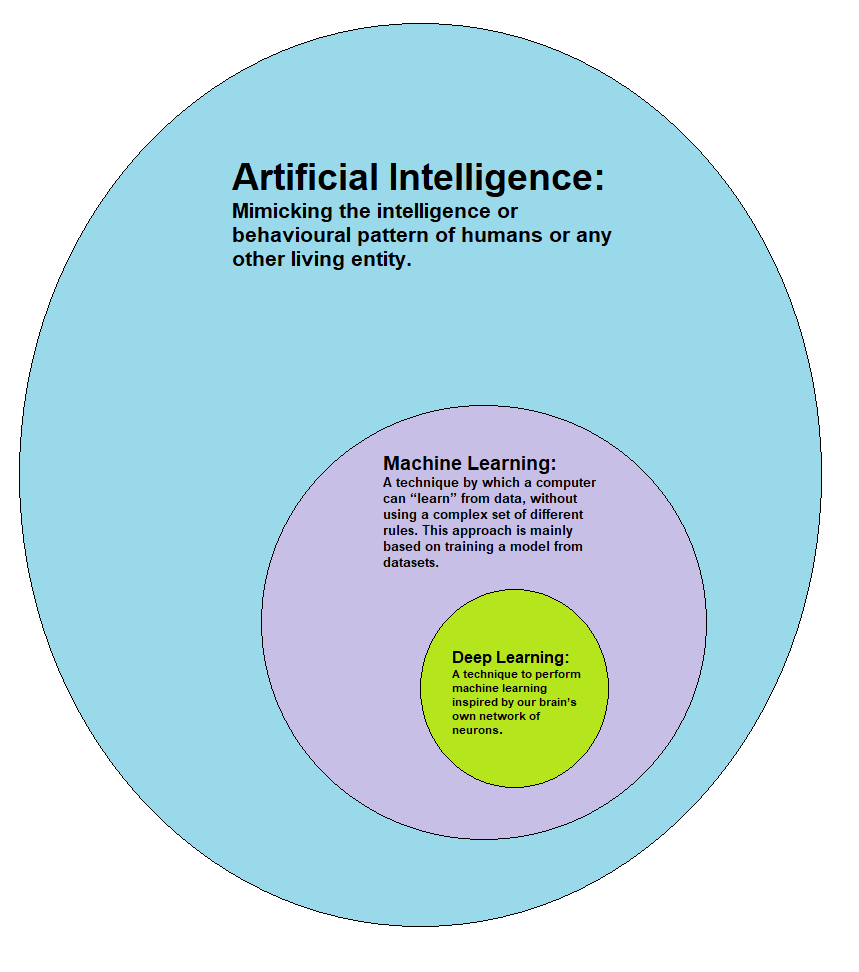
The idea of AI has been around for decades. Early concepts emerged in the 1950s, but it's only recently that powerful computers and vast amounts of data have made today's AI tools possible. You might hear terms like "machine learning" and "deep learning" used alongside AI. Think of them as nested concepts. Machine learning is a type of AI where systems learn from data, and deep learning is a more advanced type of machine learning that uses complex structures called neural networks.
AI in the Classroom
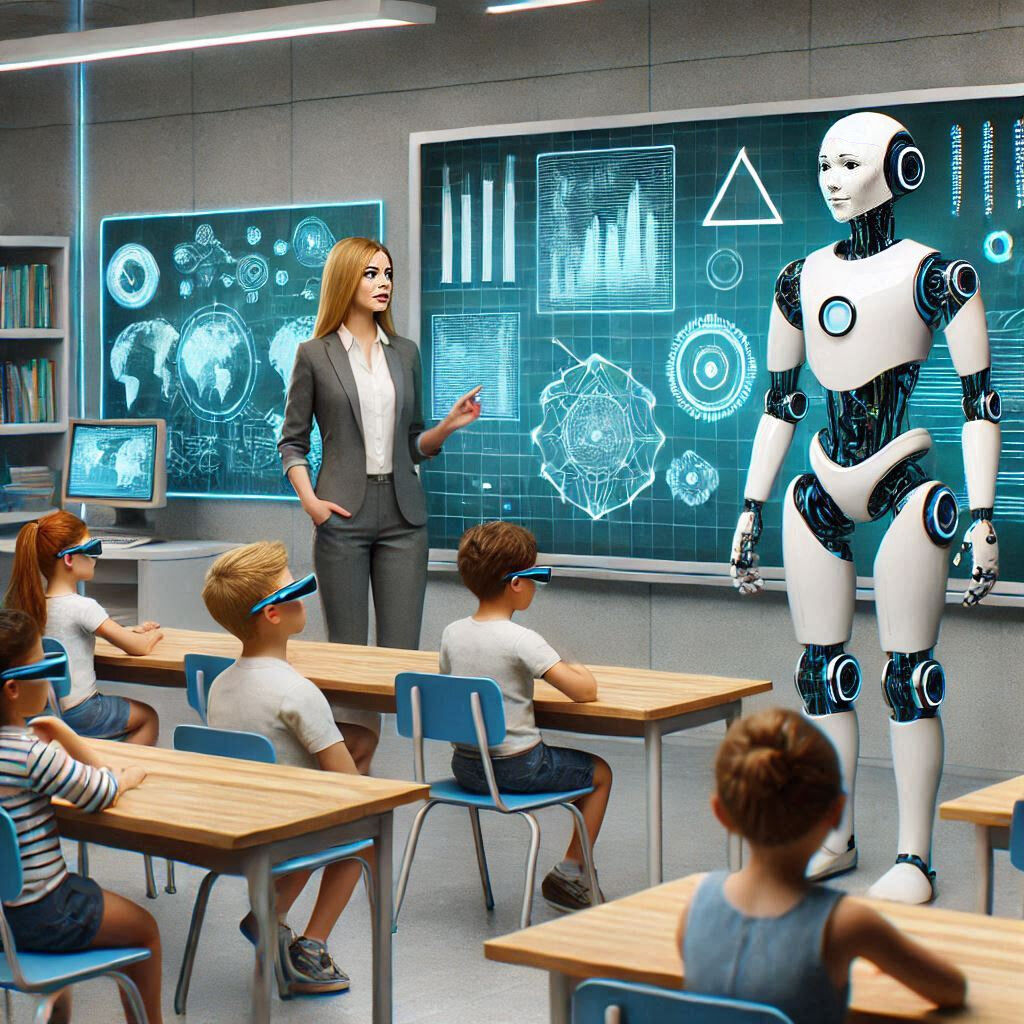
So how does this technology show up in education? AI is already changing the classroom in several key ways, primarily by making learning more customized and freeing up educators to focus on what they do best: teaching.
The goal of AI in education isn't to replace teachers, but to augment their abilities and enrich the student learning experience.
One of the most powerful applications is personalized learning. Imagine an AI system that can identify a student's strengths and weaknesses in real-time. It can then provide practice problems that are just challenging enough, or offer a video tutorial on a concept the student is struggling with. This creates a unique learning path for every individual, allowing students to progress at their own pace.
AI also powers intelligent tutoring systems. These are like on-demand tutors available 24/7. They can guide students through complex problems step-by-step, offering hints and feedback along the way. For educators, AI can be a massive time-saver. It can automate administrative tasks like grading multiple-choice quizzes, managing schedules, and even flagging potential plagiarism. This frees you from repetitive work, giving you more time for lesson planning, small-group instruction, and one-on-one student interaction.
Benefits and Considerations
The benefits of integrating AI are clear. Students get a more tailored education that meets their specific needs, leading to deeper understanding and increased engagement. Teachers gain a powerful assistant that helps them manage their workload and gain insights into student performance.
However, it's crucial to approach AI with a critical eye. We must consider the ethical implications.
Artificial Intelligence (AI) in education offers transformative potential for personalized learning and administrative efficiency but raises ethical concerns about fairness, privacy, and accountability.
Data privacy is a major concern. AI systems require student data to function, so it's essential to know how that data is being collected, used, and protected. Another issue is algorithmic bias. If the data used to train an AI model contains biases, the AI can perpetuate or even amplify those biases, potentially disadvantaging certain groups of students.
Finally, there's the risk of over-reliance on technology. AI should be a tool that supports great teaching, not a replacement for the human connection and mentorship that are at the heart of education. As we move forward, the key is to use these powerful tools thoughtfully and ethically to create better learning environments for everyone.
What is the primary goal of Artificial Intelligence as described in an educational context?
Which statement best describes the relationship between AI, machine learning, and deep learning?
By understanding both the potential and the pitfalls, educators can make informed decisions about how to best leverage AI to support their students.