AI Tools for Marketing Foundations
Introduction to AI in Marketing
What Is AI Marketing?
At its core, artificial intelligence (AI) in marketing uses computer systems to perform tasks that typically require human intelligence. This isn't about sci-fi robots taking over creative departments. Instead, it's about using smart technology to understand data, automate tasks, and make better decisions, faster.
AI marketing refers to all the ways AI technology can help you carry out successful marketing efforts.
Think of it like having a team of super-powered assistants. They can analyze mountains of customer data in seconds to spot patterns you might miss. They can help you craft personalized messages for thousands of individual customers at once. And they can run your ad campaigns more efficiently, adjusting them in real-time for the best results. The goal is to make marketing more personal, relevant, and effective.
Artificial Intelligence
noun
A broad area of computer science that makes it possible for machines to learn from experience, adjust to new inputs, and perform human-like tasks.
A key part of AI is Machine Learning. This is where most of the magic happens in marketing. Instead of being explicitly programmed for every single task, a machine learning model learns from data.
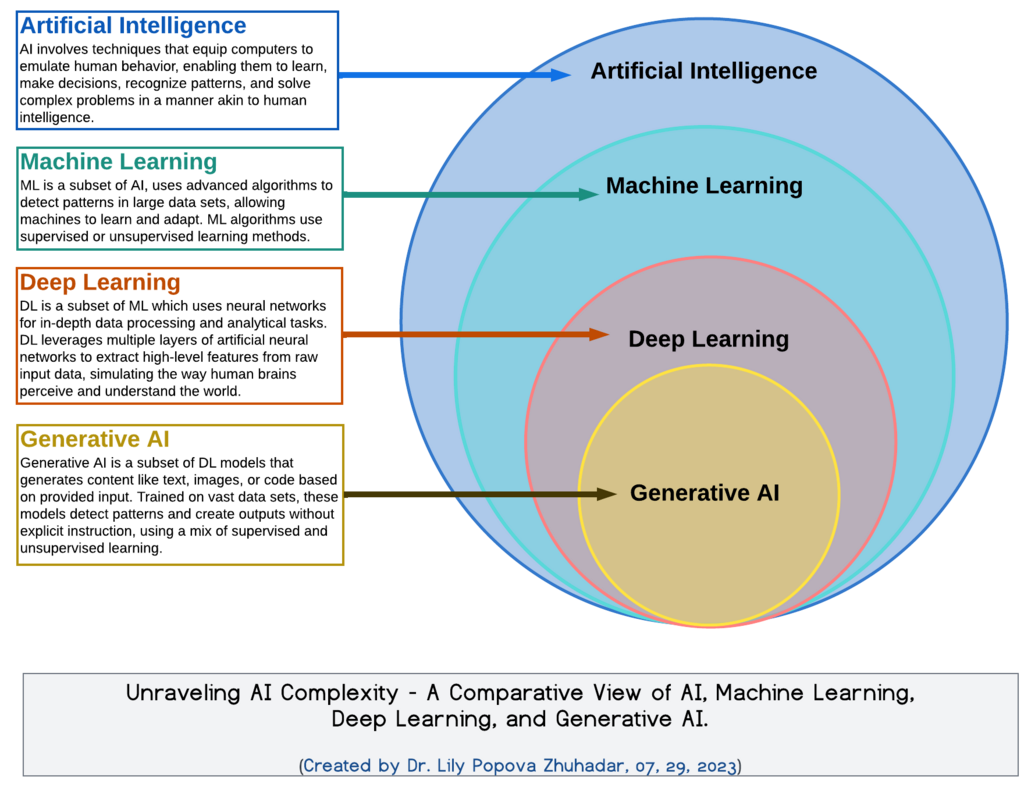
The more data it processes, the better it gets at making predictions and decisions. This is how platforms like Netflix learn what you like to watch and how Amazon knows what to recommend.
Why It Matters
Integrating AI into marketing isn't just a trend; it's a fundamental shift in how businesses connect with customers. It turns marketing from a series of broad campaigns into a continuous, personalized conversation.
The biggest benefit is the ability to deliver the right message to the right person at the right time, and to do it at a massive scale.
This leads to several key advantages:
- Deeper Customer Insights: AI can analyze browsing history, purchase data, and social media activity to build a detailed picture of your audience. You move beyond basic demographics to understand individual behaviors and preferences.
- Enhanced Personalization: Armed with those insights, you can tailor everything from website content to email offers for each user. This makes customers feel understood, which builds loyalty.
- Increased Efficiency: AI automates repetitive tasks like data analysis, email scheduling, and ad bidding. This frees up marketers to focus on strategy and creativity—the things humans do best.
- Better ROI: By optimizing ad spend, improving targeting, and increasing customer engagement, AI helps you get more value from every marketing dollar.
AI Marketing in Action
AI is already working behind the scenes in many of the marketing experiences you encounter every day. Here are a few common examples:
| Application | How It Works | Example |
|---|---|---|
| Personalized Recommendations | Machine learning algorithms analyze your past behavior (views, purchases, clicks) to predict what you'll like next. | Amazon's "Customers who bought this also bought..." section. |
| Dynamic Pricing | AI adjusts prices for products in real-time based on demand, competitor pricing, and supply levels. | Airline ticket prices that change depending on when you book. |
| Customer Service Chatbots | Natural Language Processing (NLP) allows AI chatbots to understand and respond to common customer questions 24/7. | A banking chatbot that helps you check your account balance. |
| Content Creation | Generative AI models can draft blog posts, social media updates, and email subject lines based on a simple prompt. | Using a tool to generate ten different headlines for an article. |
| Audience Segmentation | AI groups customers into highly specific segments based on complex behavioral data, far beyond simple demographics. | Targeting an ad campaign to users who have visited a product page three times but haven't purchased. |
Each of these applications uses AI to make marketing more intelligent and responsive to customer needs.
What is the primary role of artificial intelligence (AI) in marketing?
How does machine learning, a key part of AI, improve marketing efforts?
By handling the data-heavy and repetitive work, AI empowers marketers to build stronger, more meaningful relationships with their customers.