AI Tools for Creative Expression
Introduction to AI in Creativity
A New Creative Partner
Artificial intelligence, or AI, is no longer just a concept from science fiction. It's a tool that's fundamentally changing how we create. In simple terms, AI involves building computer systems that can perform tasks that typically require human intelligence. This includes learning, reasoning, problem-solving, and, increasingly, creativity.
The journey of AI into the creative arts didn't happen overnight. It began decades ago with simple algorithms that could generate patterns or follow basic rules. But today's AI is far more sophisticated. It can compose music, write poetry, and design everything from logos to architectural plans. This evolution has turned AI from a simple tool into a potential collaborator for artists, designers, and musicians.
How AI Learned to Create
So, how does a machine learn to be creative? The magic lies in concepts called machine learning and neural networks. Think of machine learning as a way of teaching a computer by example, rather than by programming explicit instructions. Instead of telling it every single rule for what makes a
cat
noun
A small domesticated carnivorous mammal with soft fur, a short snout, and retractable claws. It is widely kept as a pet or for catching mice, and many breeds have been developed.
photo, you show it millions of cat photos. Eventually, it learns to recognize a cat on its own.
Neural networks take this a step further. They are a type of machine learning inspired by the structure of the human brain, with interconnected layers of
neuron
noun
A specialized cell transmitting nerve impulses; a nerve cell.
. When applied to art, a neural network can be trained on a vast dataset of images, from classical paintings to modern photographs. By analyzing these examples, it learns about styles, compositions, color palettes, and subjects.
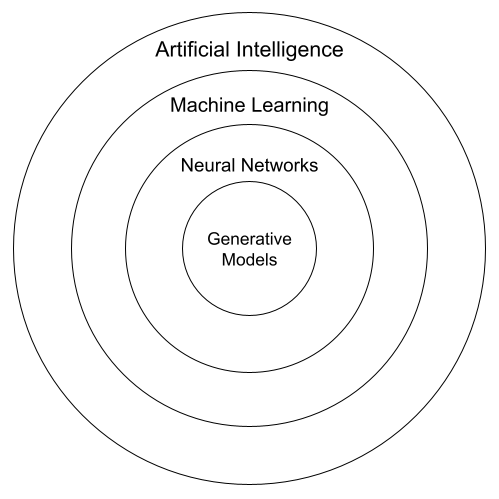
Once trained, these models can generate entirely new works. They can combine styles in unexpected ways, like rendering a photograph in the style of Van Gogh, or create photorealistic images from a simple text description. The same principles apply to music, where AI can learn the patterns of harmony, melody, and rhythm to compose original scores.
Redefining the Creative Process
The integration of AI isn't about replacing human artists. Instead, it's changing their workflow and expanding their capabilities. It acts as a powerful assistant for brainstorming, helping creators overcome blocks by generating a wide range of ideas and variations quickly.
Imagine a designer trying to create a new logo. They could use an AI to generate hundreds of concepts in minutes, exploring directions they might not have considered on their own. A musician could collaborate with an AI to develop a new melody or a complex chord progression. This partnership allows the human creator to focus on curation, refinement, and adding the emotional depth that machines currently lack.
AI can handle the tedious parts of the creative process, freeing up artists to focus on high-level vision and storytelling.
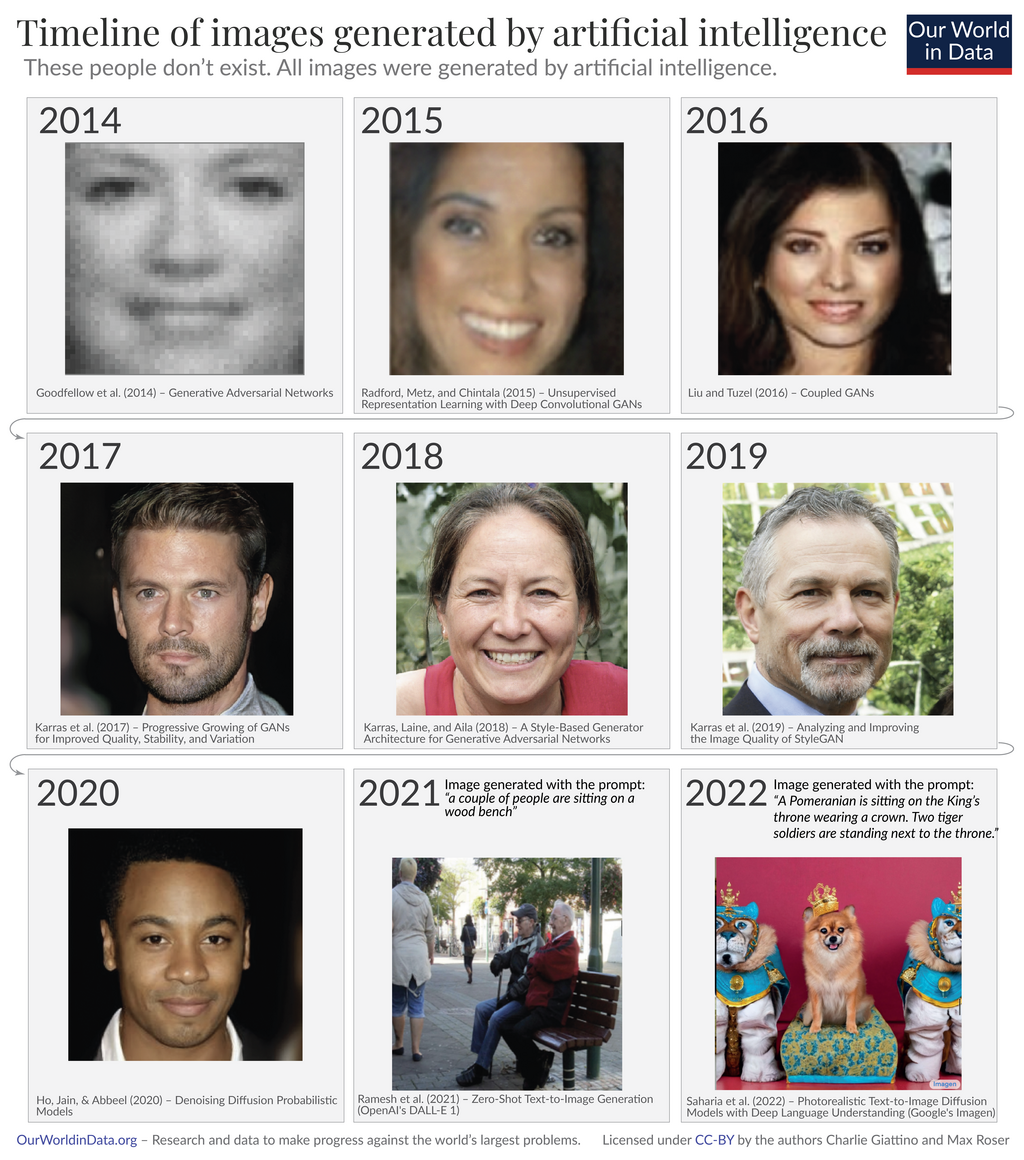
This shift also makes creative tools more accessible. Someone without years of technical training in digital art software can now create stunning visuals using text prompts. This democratization of creativity opens the door for new voices and ideas.
The Big Questions
Of course, this new technology brings up important ethical questions. If an AI creates a piece of art, who is the author? Is it the AI, the person who wrote the prompt, or the developers who built the model? The answers are still being debated in courtrooms and communities around the world.
Copyright law is struggling to keep up. Can an AI's output be copyrighted? And what about the data used to train these models? If an AI learns from the work of thousands of artists without their permission, is that fair use or theft?
There's also the issue of bias. AI models are trained on data created by humans, and that data can contain biases related to race, gender, and culture. If the training data predominantly features one style of art or one demographic, the AI's output will reflect that, potentially reinforcing harmful stereotypes. As we embrace these powerful tools, it's crucial to think critically about how they are built and used, ensuring they foster a more inclusive and equitable creative landscape.
Ready to check your understanding of these foundational ideas?
According to the text, how do modern AI systems primarily learn to perform creative tasks?
A neural network, a key component in AI art generation, is conceptually inspired by the structure of what?
By understanding these core concepts, you're better prepared to explore the specific tools and techniques that are reshaping the creative world.