AI Through Time
Ancient AI Concepts
Ancient Dreams of AI
The dream of creating artificial life is not new. Long before computers or electricity, ancient myths and stories were filled with tales of intelligent beings crafted by gods or brilliant inventors. These early ideas show us that humanity has always been fascinated by the possibility of creating minds other than our own.
Prometheus and the Spark of Knowledge
One of the most powerful ancient stories about the origins of intelligence is the myth of Prometheus. A Titan from Greek mythology, Prometheus defied the gods by stealing fire from Mount Olympus and giving it to humanity. This gift was more than just a flame for warmth and cooking. Fire symbolized knowledge, technology, and the creative spark—the very essence of intelligence.
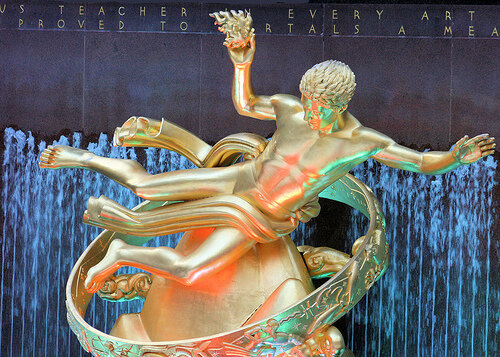
By giving humans this divine fire, Prometheus elevated them from simple creatures to beings who could think, create, and shape their own destiny. This story is an early exploration of a core theme in AI: the idea of bestowing intelligence upon a creation, and the profound consequences that follow. It's a powerful metaphor for the act of creating an entity that can learn and innovate on its own.
The First Robots
The ancient Greeks didn't just tell stories about the origin of intelligence; they also imagined creating artificial beings. In their myths, the master craftsman was Hephaestus, the god of invention and blacksmithing. He was said to have forged incredible automatons in his workshop.
Hephaestus created golden handmaidens who could not only move but also think and speak, acting as his personal assistants. They were, in essence, the first intelligent robots in Western literature.
Perhaps his most famous creation was Talos, a giant man made of bronze. Talos was tasked with protecting the island of Crete. He would march around the island's shores three times a day, hurling boulders at approaching ships. This ancient guardian was an early conception of a programmable machine, built for a specific, complex task. These stories show a deep-seated desire to build mechanical servants and protectors.
Philosophical Questions Arise
Beyond myths, early philosophers began to think about the nature of the mind and whether it could be replicated. Thinkers like Aristotle tried to codify human thought, breaking down reasoning into a series of logical steps called syllogisms. This was a revolutionary idea: if human thought could be described by a set of formal rules, then perhaps a machine could one day follow those same rules.
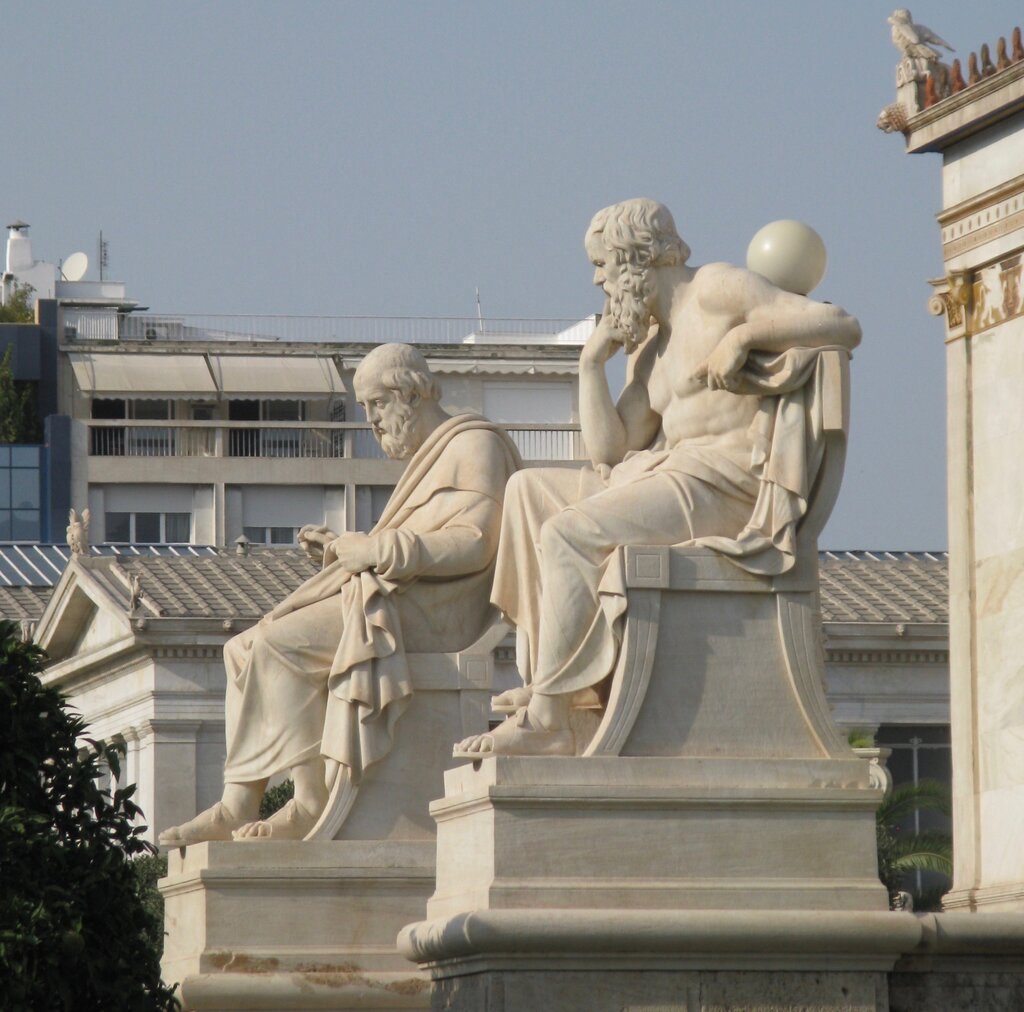
This process of formalizing reasoning was a crucial first step. It planted the seed for the idea that intelligence wasn't necessarily something mystical or divine, but a process that could be understood, described, and maybe, just maybe, recreated. These ancient myths and philosophical inquiries didn't build any actual AI, but they built something just as important: the dream that it might one day be possible.