AI Textbook to Interactive Video for Kids
Understanding 10-Year-Olds
The World of a 10-Year-Old
A lot is happening in the brain of a 10-year-old. They are moving away from the purely concrete thinking of early childhood and starting to dip their toes into more abstract ideas. This means they can grasp more complex rules, understand cause and effect, and begin to see situations from another person's point of view. Their problem-solving skills are sharpening, and they can follow a series of steps to reach a logical conclusion.
At this age, they are not just memorizing facts. They are starting to organize information into categories and make connections between different concepts. You can present them with bigger ideas, as long as you ground them in familiar examples. For instance, instead of just talking about democracy, you could create a mock election in the classroom to help them experience the process firsthand.
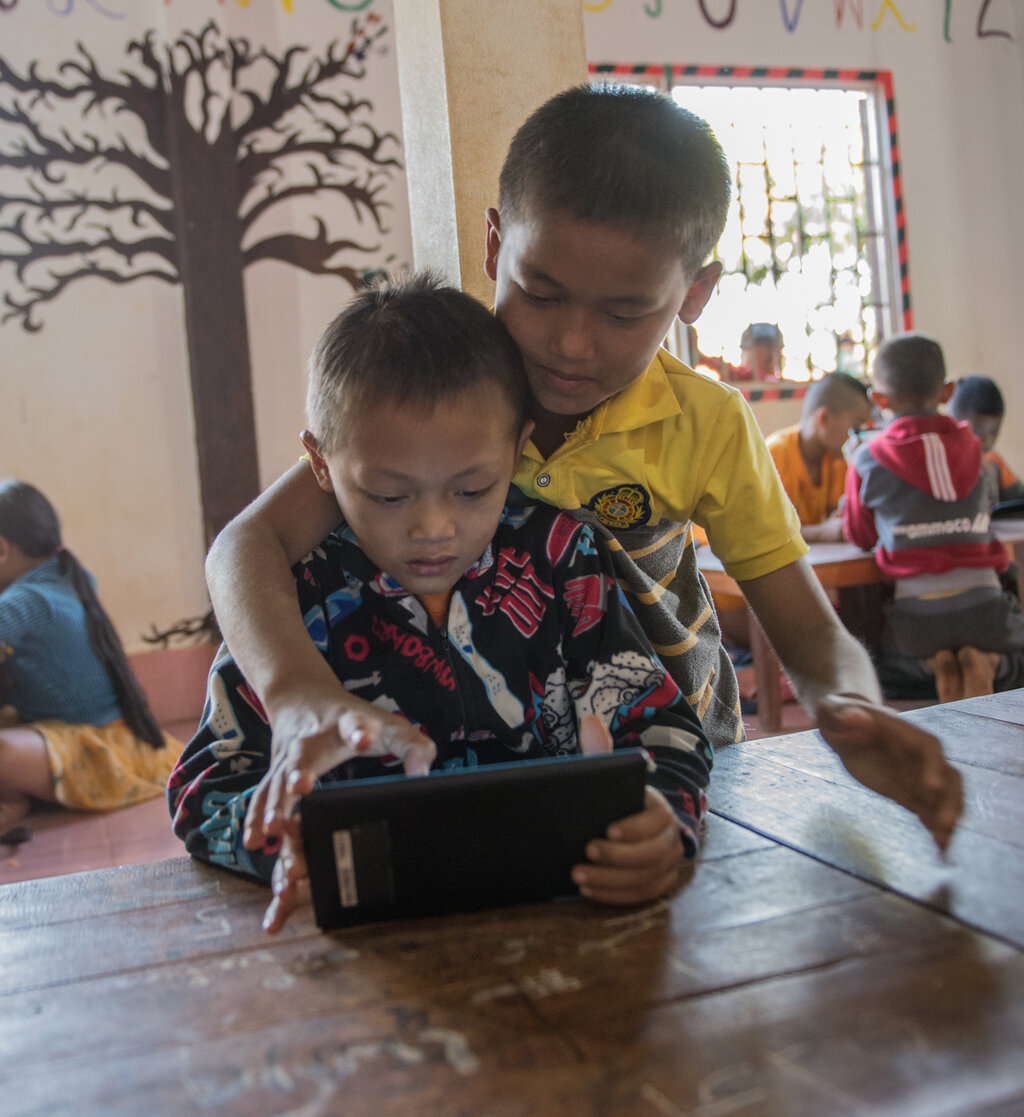
Socially and emotionally, this is a pivotal time. Friendships become incredibly important, and being part of a group is a top priority. They are developing a stronger sense of self, but their confidence can still be fragile. They are highly attuned to what is fair and what isn't, and they have a strong sense of justice. This makes them great candidates for discussions about rules, ethics, and teamwork.
Because they value peer relationships so much, group projects and collaborative activities are particularly effective. They learn not just the material, but also how to negotiate, compromise, and work with others.
How They Like to Learn
Ten-year-olds learn best by doing. They have moved past the need for simple play, but they still need active, hands-on experiences to make learning stick. They enjoy projects they can own, challenges they can solve with their friends, and a clear sense of purpose. Reading a chapter about ecosystems is one thing; building a small terrarium is another.
This is also an age where technology becomes a natural part of their world. Educational games, simple coding exercises, and digital creation tools can be powerful motivators. The key is to use these tools to support active learning, not just passive consumption.
At this age, learning is a team sport. They thrive when they can talk through ideas, solve problems together, and share their discoveries.
While their attention spans are longer than a younger child's, they are not limitless. A 45-minute lecture is still likely to lose them. It's more effective to break content into smaller, focused chunks.
Educational psychologists recommend that passive learning content delivery can work when it is chunked into 10 to 15 minutes of content [2].
Intersperse short lessons with activities, discussions, or quick quizzes. This variety helps reset their focus and keeps them engaged with the material. A good rhythm might be 10 minutes of instruction, followed by a 15-minute activity to apply what they've learned.
Making Content Stick
Interactive content is not just a bonus; it's essential for this age group. Interaction turns them from passive observers into active participants in their own learning. When they can manipulate variables in a digital simulation, make choices in a branching story, or build a physical model, they are processing the information on a much deeper level.
This is the perfect age to introduce project-based learning. Ask them to research a topic and create a short presentation, write and perform a skit, or design a solution to a real-world problem. These activities align perfectly with their growing cognitive abilities and their social desire to work with peers.
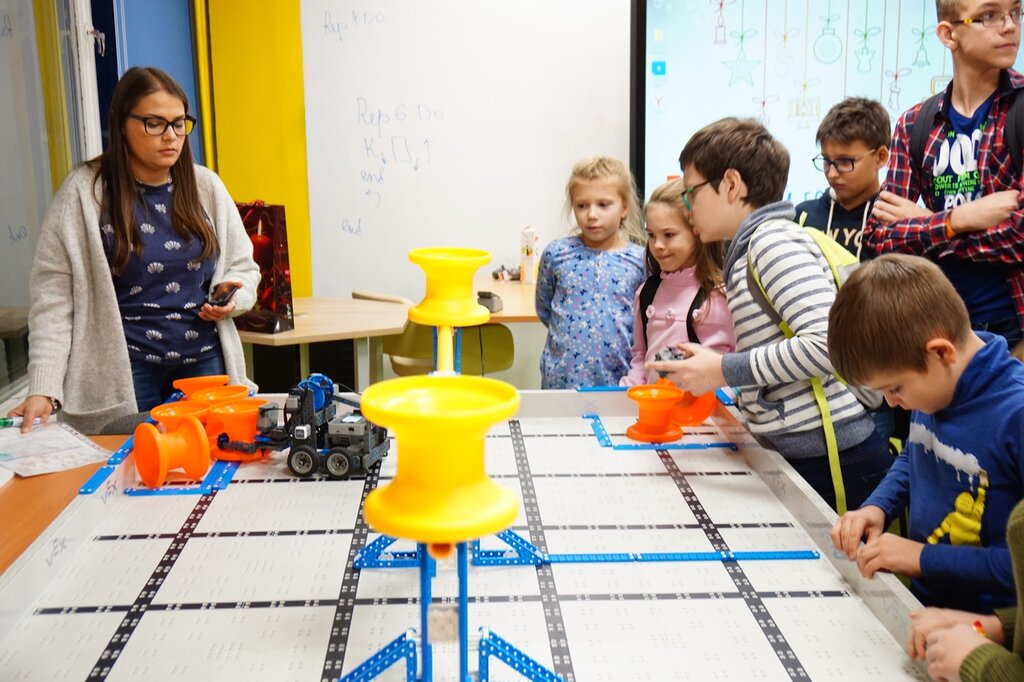
Finally, provide clear goals and consistent feedback. Ten-year-olds need to know what the target is and how they are progressing toward it. This helps them stay motivated and builds their confidence as capable, independent learners.
Ready to check your understanding? Let's see what you've learned.
What is a major cognitive shift happening for most 10-year-olds?
Socially and emotionally, what becomes a top priority for 10-year-olds?
By keeping the cognitive, social, and emotional world of a 10-year-old in mind, you can create learning experiences that are not only effective but also genuinely engaging.