AI Text Summarization
Introduction to Text Summarization
Taming the Information Flood
We're surrounded by information. From news articles and scientific papers to business reports and emails, the amount of text we encounter daily is massive. It's impossible to read everything. This is where text summarization comes in.
Text summarization is the process of automatically creating a short, accurate, and fluent summary of a longer document. The goal is simple: to distill the most important information from a source, so you can understand its core message without reading every single word. It’s a tool for saving time and making sense of a complex world.
Summarizing teaches students to distill a text to its most essential information.
Think of it like telling a friend about a movie you just watched. You don't describe every scene and recite every line of dialogue. Instead, you mention the main characters, the central plot, and the ending. You create a summary. Automated text summarization does the same thing, but with text and using computer algorithms.
Two Paths to a Summary
When a machine summarizes a text, it generally takes one of two approaches: extractive or abstractive.
extractive
adjective
A method of summarization that works by selecting and combining the most important sentences or phrases directly from the original text.
The extractive method is like using a highlighter. The algorithm reads the text, identifies key sentences based on certain criteria (like word frequency or position), and then pulls them out to form a summary. No new text is created. The summary is made entirely of sentences copied from the original source.
This method is computationally straightforward and less prone to making factual errors, since it doesn't alter the original wording. However, the resulting summaries can sometimes feel choppy or disconnected, like a collection of quotes strung together.
abstractive
adjective
A method of summarization where the algorithm generates new sentences to capture the core meaning of the original text, similar to how a human would paraphrase.
The abstractive method is more advanced. Instead of just copying sentences, it tries to understand the concepts in the source text and then generates new sentences, in its own words, to communicate those concepts. This is much closer to how a person writes a summary.
Abstractive summaries are often more fluent and easier to read than extractive ones. The major challenge is that it's a much harder problem for a computer to solve. These models can sometimes misunderstand the source text or even generate information that wasn't there at all, a phenomenon known as "hallucination."
Summarization in the Wild
You probably use text summarization every day without realizing it. It's a key technology behind many of the services we rely on to navigate the digital world.
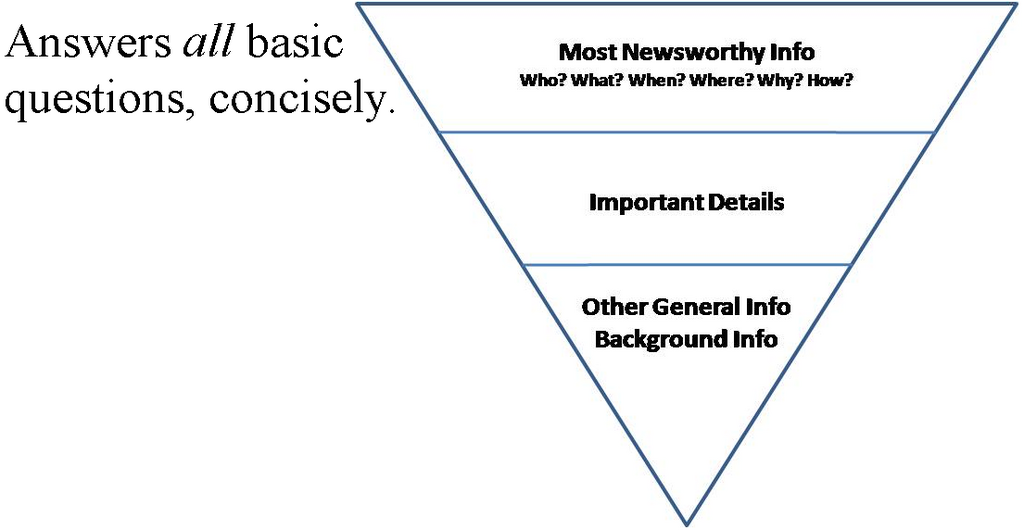
Some common applications include:
- News Aggregation: Services like Google News use summarization to generate the short snippets of text you see under headlines, helping you quickly scan the day's events.
- Search Engines: When you search for something, the short descriptions under each search result are often automatically generated summaries of the webpages.
- Scientific Research: Researchers are often faced with thousands of articles on a single topic. Summarization tools can help them quickly identify the most relevant papers by providing concise overviews of their content.
- Business Intelligence: Companies can use summarization to analyze customer feedback, market reports, and internal documents to extract key insights without needing employees to read every word.
- Meeting Notes: AI tools can now summarize transcripts of meetings, automatically identifying key decisions and action items.
As AI models become more capable, the quality and application of text summarization will only continue to grow, making it an even more essential tool for managing information.
What is the primary goal of text summarization?
A summary created by copying key sentences directly from the original document is an example of which approach?