AI Systems Explained Gemini ChatGPT Perplexity
Introduction to AI Systems
What Is AI Anyway?
Artificial intelligence, or AI, is the science of teaching computers to think, learn, and solve problems like humans do. It's not about creating conscious robots from science fiction. Instead, it’s about building systems that can perform tasks that normally require human intelligence, such as understanding language, recognizing images, and making decisions.
The idea of AI isn't new. Philosophers have pondered intelligent machines for centuries, and computer scientists began working on the concept in the 1950s. Early AI systems were based on simple rules. For example, a chess program might follow the rule: "If the opponent's queen is in a position to capture my king, move the king to a safe square."
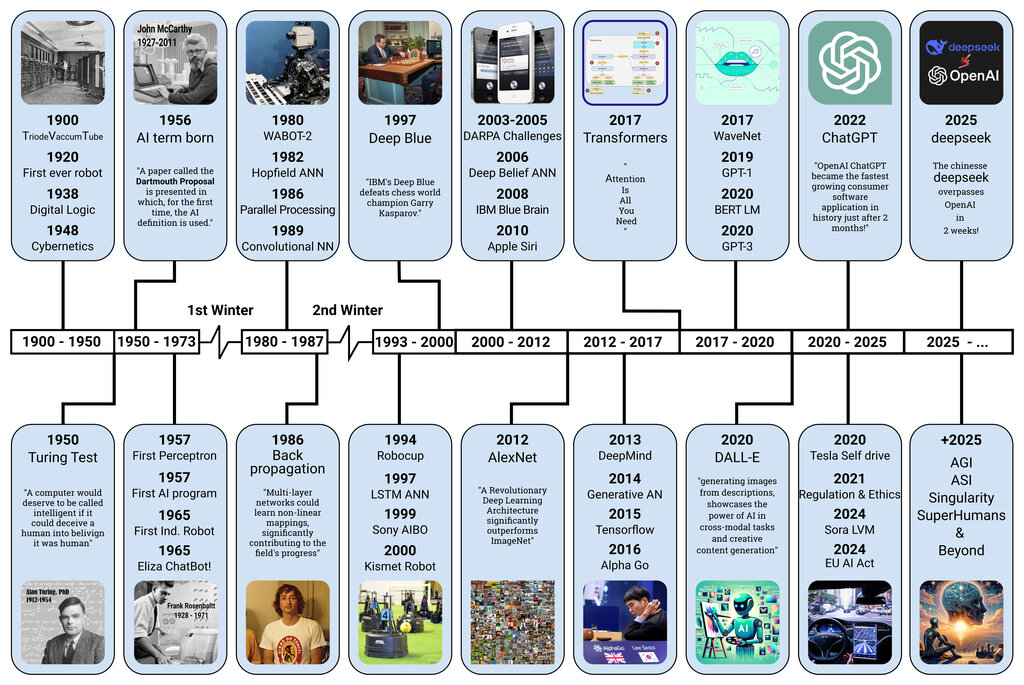
These rule-based systems were useful but limited. They couldn't handle ambiguity or learn from new information. The real breakthrough came with the rise of machine learning, a subfield of AI that allows computers to learn from data without being explicitly programmed for every scenario.
The Brains of the Operation
Modern AI relies on models. An AI model is like a blueprint or a recipe that the system uses to process information and make predictions. Instead of being built with hand-coded rules, these models are "trained" on massive amounts of data. Through this training process, the model learns to recognize patterns, relationships, and structures within the data.
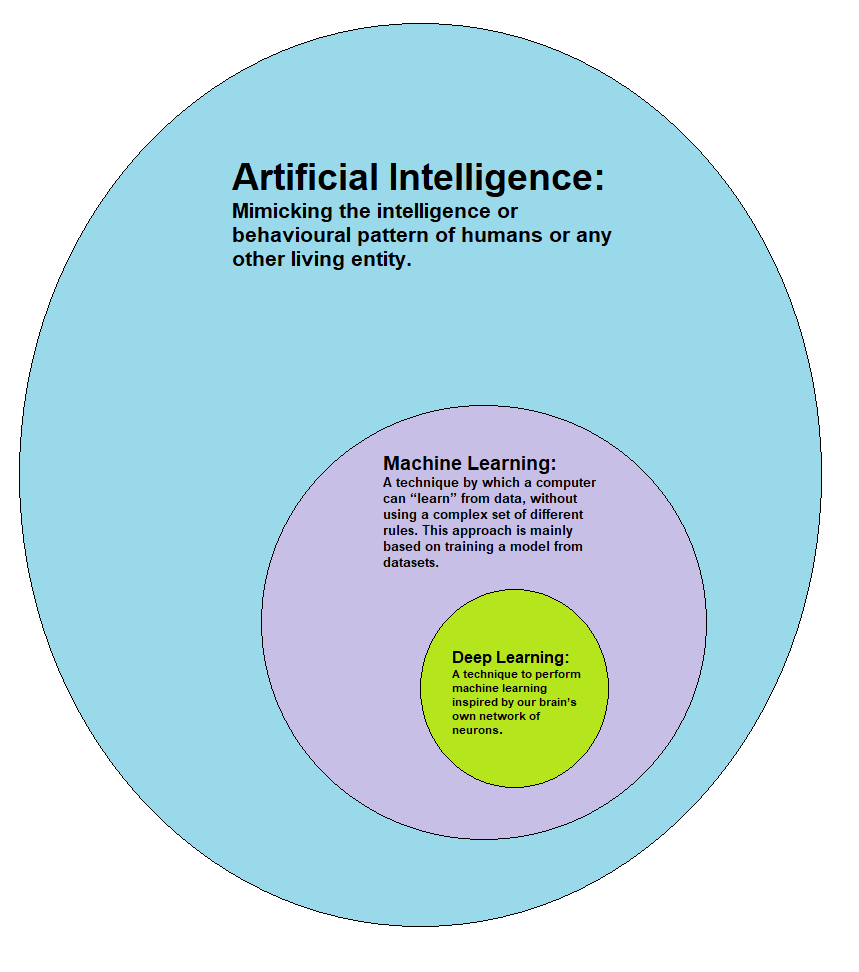
Think of it like learning to identify animals. You wouldn't memorize a checklist of rules for what makes a dog a dog. Instead, you'd look at thousands of pictures of different dogs. Over time, you'd intuitively learn the patterns: four legs, fur, a tail, floppy ears. AI models learn in a similar way, but on a much larger scale.
This shift from rigid rules to flexible learning is what allows an AI to write a poem, generate an image from a description, or translate a conversation in real time.
Meet the New Generation
Recent years have seen an explosion of powerful new AI systems, particularly large language models (LLMs). These models are trained on vast datasets of text and code, making them experts in understanding and generating human-like language. Three prominent examples are ChatGPT, Gemini, and Perplexity.
Generative AI
noun
A type of artificial intelligence that can create new and original content, including text, images, music, and code.
ChatGPT, developed by OpenAI, brought generative AI into the mainstream. Its strength lies in its conversational ability. It can write essays, debug code, brainstorm ideas, and answer complex questions in a natural, flowing dialogue.

Gemini is Google's answer to the new wave of AI. Its key feature is being "multimodal" from the ground up. This means it was designed from the start to understand and process not just text, but also images, audio, and video seamlessly. You could show it a picture of your pantry and ask it to suggest a recipe, and it could identify the ingredients and generate instructions.

Perplexity styles itself as an "answer engine" rather than just a chatbot. It combines the capabilities of an LLM with a search engine. When you ask it a question, it doesn't just generate an answer from its training data. It actively scours the web for current information and provides answers with citations, so you can see where the information came from. This makes it particularly useful for research and fact-checking.
Why AI Matters
AI systems are no longer just a subject of academic research; they are woven into the fabric of our daily lives. They power the recommendation engines that suggest what you should watch next on a streaming service. They operate the spam filters that keep your email inbox clean. They help navigation apps analyze traffic in real time to find you the fastest route.
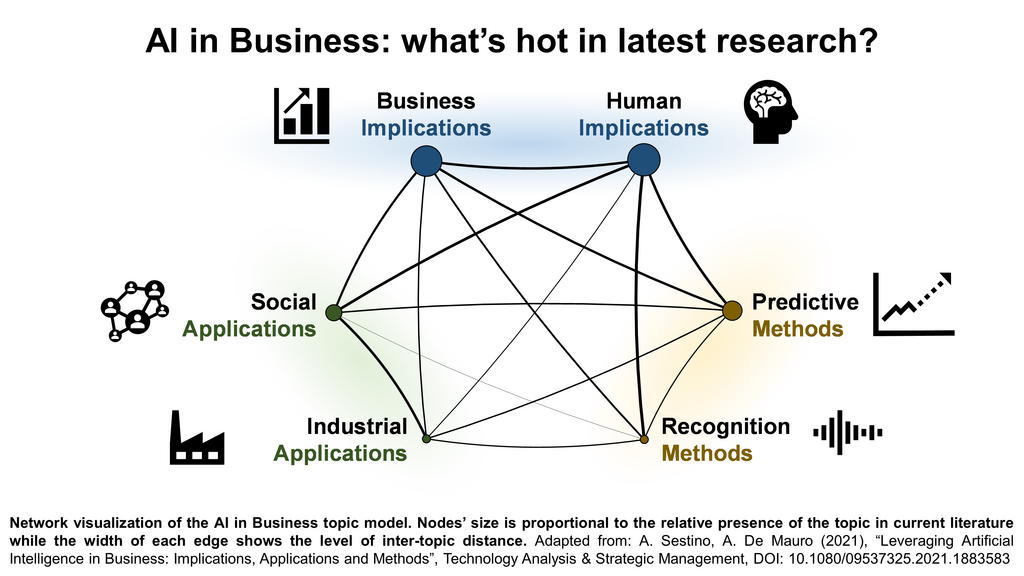
In business, AI is transforming industries by automating tasks, analyzing market trends, and personalizing customer experiences. From healthcare, where it helps doctors diagnose diseases, to finance, where it detects fraudulent transactions, AI is becoming an indispensable tool for efficiency and innovation.
Understanding the basics of these systems is the first step toward navigating a world where AI is becoming increasingly common. Knowing what they are, how they work, and what they're capable of allows you to use these powerful tools more effectively and thoughtfully.
According to the text, what is the primary goal of modern Artificial Intelligence?
What is the key difference between early rule-based AI systems and modern AI based on machine learning?