AI Strategy for Marketing
Introduction to AI in Marketing
What Is AI Marketing?
Artificial intelligence in marketing isn't about futuristic robots writing ad copy. It's about using smart technology to understand and connect with people more effectively. At its core, AI marketing uses data to make better decisions, automate tasks, and create more personalized experiences for customers.
AI marketing refers to all the ways AI technology can help you carry out successful marketing efforts.
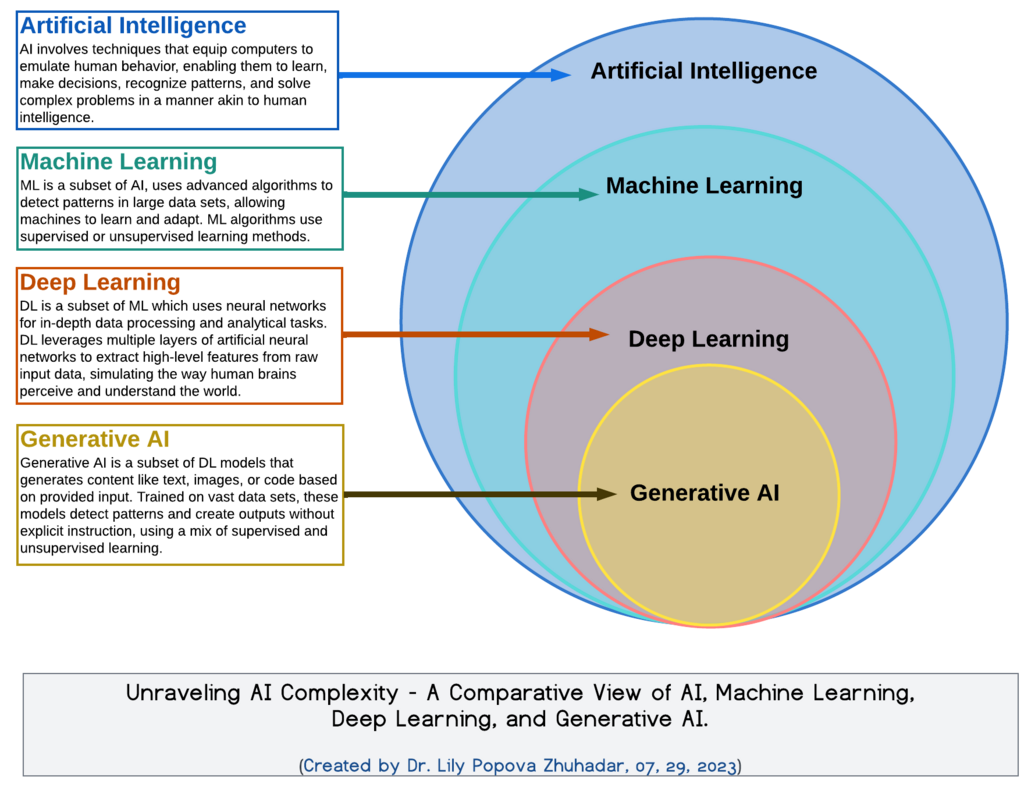
Think of AI as a broad field where machines perform tasks that typically require human intelligence. Within that field are more specific areas, like machine learning and deep learning, which are the engines driving most of what we call AI marketing today.
The Brains Behind the Operation
Two key technologies make AI marketing possible: machine learning and natural language processing. You don't need to be an engineer to grasp what they do.
Machine learning (ML) is a way of teaching computers to find patterns in data. Instead of programming a computer with a huge set of rules, you give it a ton of examples and let it learn for itself. It’s the magic behind Netflix recommending a movie you end up loving or a retailer suggesting a product you actually need.
Natural Language Processing (NLP) helps computers understand, interpret, and generate human language. If you've ever asked a smart speaker for the weather or used a chatbot to ask a question on a website, you've interacted with NLP. In marketing, it helps analyze customer reviews or power helpful customer service bots.
Data-Driven Decisions
The single biggest advantage of AI is its ability to analyze massive amounts of data far beyond human capability. Every click, purchase, and interaction creates a data point. AI systems sift through this information to uncover hidden patterns and insights about customer behavior.
This leads to a much deeper understanding of who your customers are and what they want. Instead of guessing, marketers can make decisions based on evidence. For example, AI can identify which customer segments are most likely to buy a certain product or which marketing message will resonate most strongly with a specific audience.
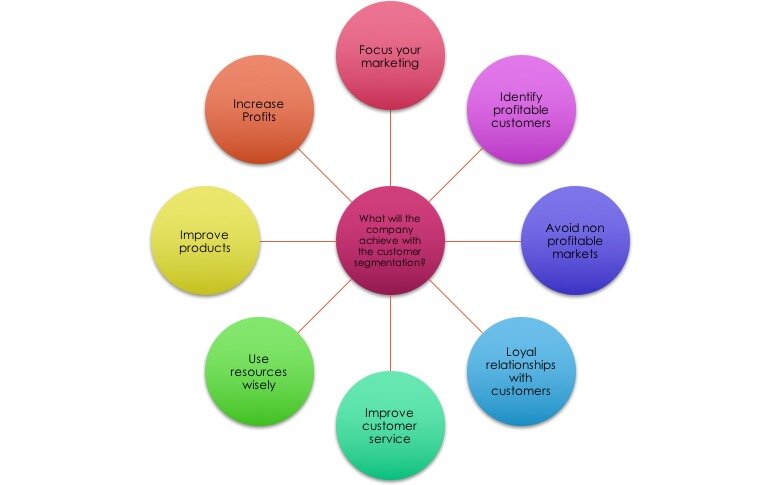
By understanding customers on a deeper level, AI enables a shift from one-size-fits-all marketing to highly personalized, one-to-one conversations.
AI Marketing in Action
AI marketing isn't just theoretical; it's already happening all around us. Many companies use it to make their campaigns smarter and more efficient. Here are a few common examples.
| Application | How It Works | Impact |
|---|---|---|
| Personalized Recommendations | AI analyzes your past browsing and purchase history to suggest products you might like. | Increases sales and customer loyalty. |
| Dynamic Pricing | Algorithms adjust prices in real time based on demand, competition, and other factors. | Maximizes revenue for things like flights and hotels. |
| Customer Service Chatbots | NLP-powered bots answer common customer questions instantly, 24/7. | Frees up human agents for more complex issues. |
| Predictive Analytics | AI models forecast future customer behavior, like who is likely to stop being a customer. | Allows businesses to proactively offer incentives to retain customers. |
These tools help automate repetitive tasks, allowing marketing teams to focus on strategy and creativity, where human insight is still essential.
What is the primary purpose of using Artificial Intelligence in marketing?
The technology that enables computers to find patterns in data by learning from examples, rather than being explicitly programmed with rules, is called ________.
By handling data analysis and automation, AI gives marketers powerful tools to better serve their customers.