AI Strategy for Business Leaders
Introduction to AI in Business
What Is Artificial Intelligence?
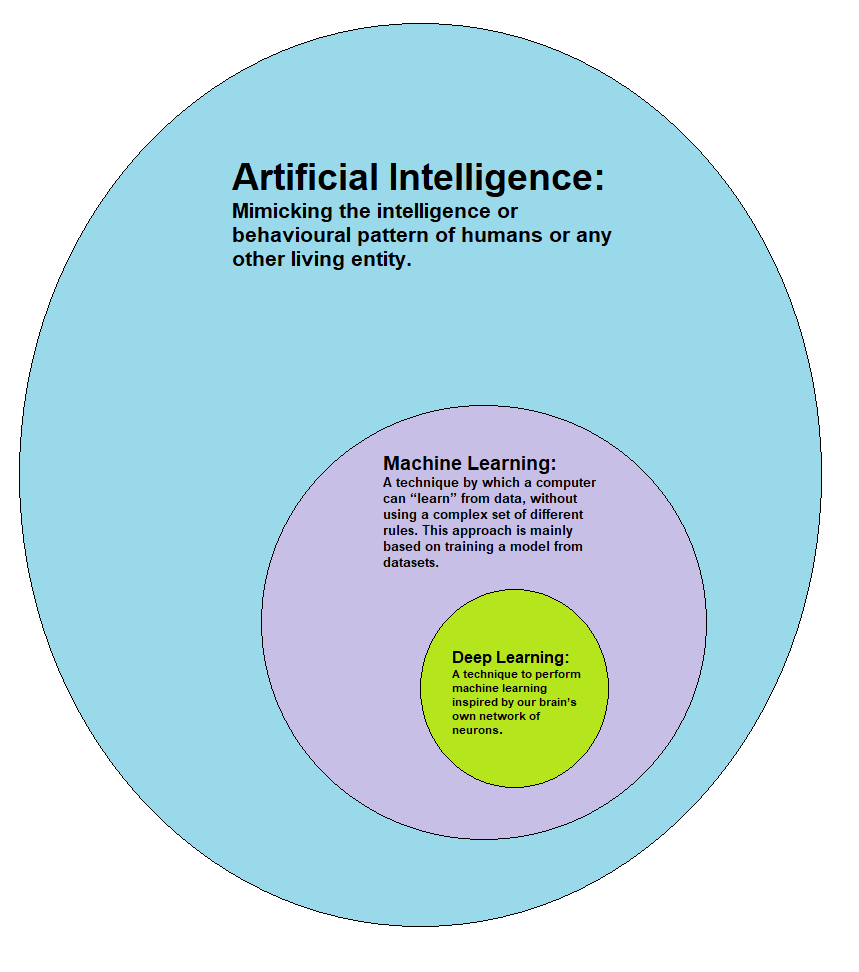
Artificial Intelligence (AI) is about making computers smart. The goal is to create systems that can perform tasks that normally require human intelligence. This includes things like learning, reasoning, problem-solving, understanding language, and perceiving the world around them.
Think of it less as creating a thinking, feeling robot from a movie and more as building specialized tools that can handle complex tasks. AI isn't a single thing; it's a broad field of computer science with many different branches. For businesses, the most important branches are the ones that turn data into insights and action.
The Core Flavors of AI
Three key areas of AI have become fundamental to how modern businesses operate: machine learning, natural language processing, and computer vision.
Machine Learning (ML) is the engine of modern AI. Instead of being programmed with explicit rules, an ML model learns patterns directly from data. It's like teaching a child to recognize a cat by showing them hundreds of pictures of cats, not by listing the rules for what makes a cat.
Your email's spam filter is a classic example. It learns to identify junk mail by analyzing thousands of emails you've marked as spam.
Natural Language Processing (NLP) gives computers the ability to understand and respond to human language, both written and spoken. It’s the technology behind customer service chatbots that can answer your questions or the voice assistant on your phone that can set a timer.
Computer Vision allows machines to interpret and understand information from images and videos. When your phone unlocks by recognizing your face, that's computer vision at work. In business, it can be used for everything from quality control on an assembly line to analyzing medical scans.
From Theory to the Sales Floor
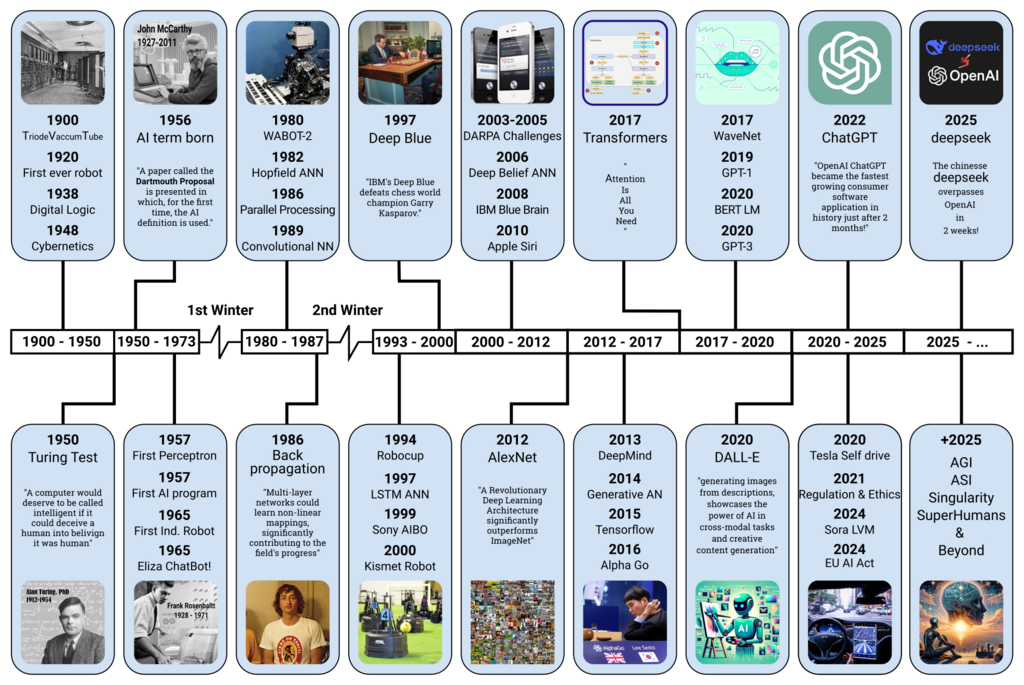
The idea of AI has been around since the 1950s, but for decades it was mostly theoretical. Early computers lacked the power and data needed to make AI practical for business. This led to periods known as "AI winters," when progress stalled due to limited funding and technological hurdles.
Everything changed in the 2000s with two key developments: the explosion of big data from the internet and the availability of powerful, affordable computing. Suddenly, there was enough information to train sophisticated models and enough processing power to run them. AI moved out of the research lab and into the mainstream.
AI in Action Today
Today, AI is integrated into nearly every industry, enhancing operations and creating new opportunities. It's not always obvious, but AI-powered processes are constantly working behind the scenes. The focus is on using AI to become more efficient, make smarter decisions, and better serve customers.
| Industry | AI Application |
|---|---|
| Retail | Personalized product recommendations based on browsing history. |
| Finance | Detecting fraudulent credit card transactions in real-time. |
| Healthcare | Analyzing MRIs and X-rays to spot signs of disease earlier. |
| Manufacturing | Predicting when machinery will need maintenance to prevent breakdowns. |
| Logistics | Optimizing delivery routes to save time and fuel. |
A major trend right now is Generative AI. These are models that can create new content, from text and images to computer code. This technology is changing how businesses approach marketing, software development, and customer engagement.
Another key trend is the push for Explainable AI (XAI). As businesses rely more on AI for critical decisions, it's important to understand why a model made a certain prediction. This builds trust and helps ensure fairness, for instance, in loan applications or hiring processes.
Now, let's test your understanding of these core AI concepts.
What is the primary goal of Artificial Intelligence as described in business contexts?
A factory uses cameras to automatically detect and flag defective products on an assembly line. Which branch of AI is primarily being used?
Understanding these fundamentals is the first step to seeing how AI can transform business. It's a powerful tool that is reshaping how companies operate and compete.