AI Storytelling Coach Avatar
Introduction to Conversational AI
What Is Conversational AI?
Conversational AI is technology that allows humans to talk with computers in a natural, human-like way. Think of the chatbots you see on websites or the voice assistants on your phone. These systems are designed to understand what you say or type, process it, and give you a relevant response.
At its core, it's about teaching a machine to understand context, remember parts of a conversation, and generate text that makes sense. Early versions were simple, often just matching keywords to pre-written answers. But modern systems can create entirely new sentences, making interactions feel much more fluid and intelligent.
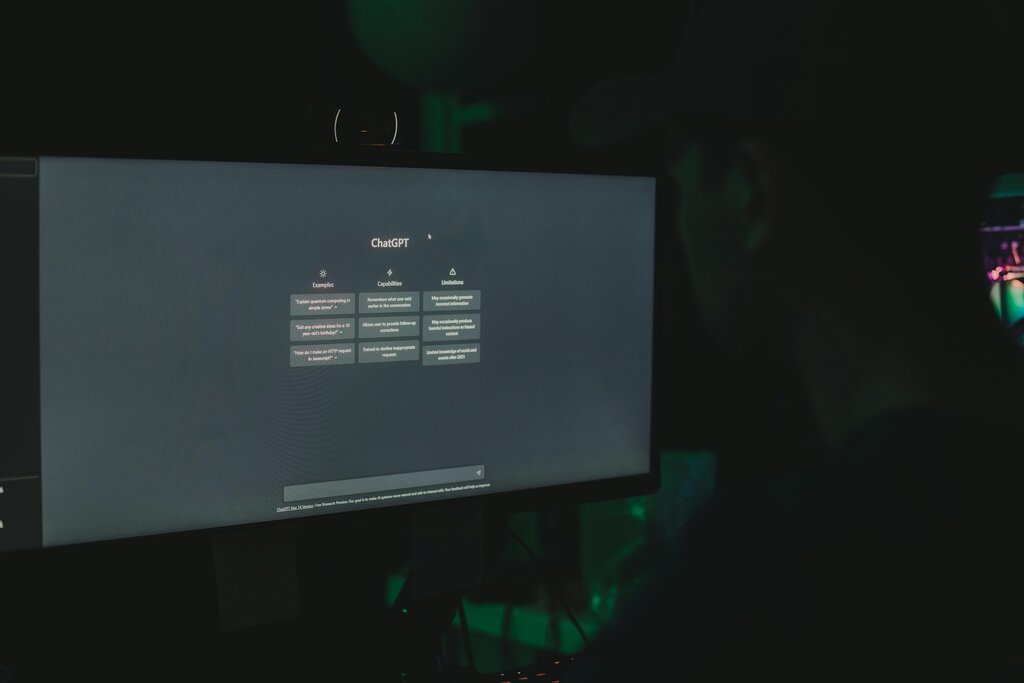
A Quick Trip Through Time
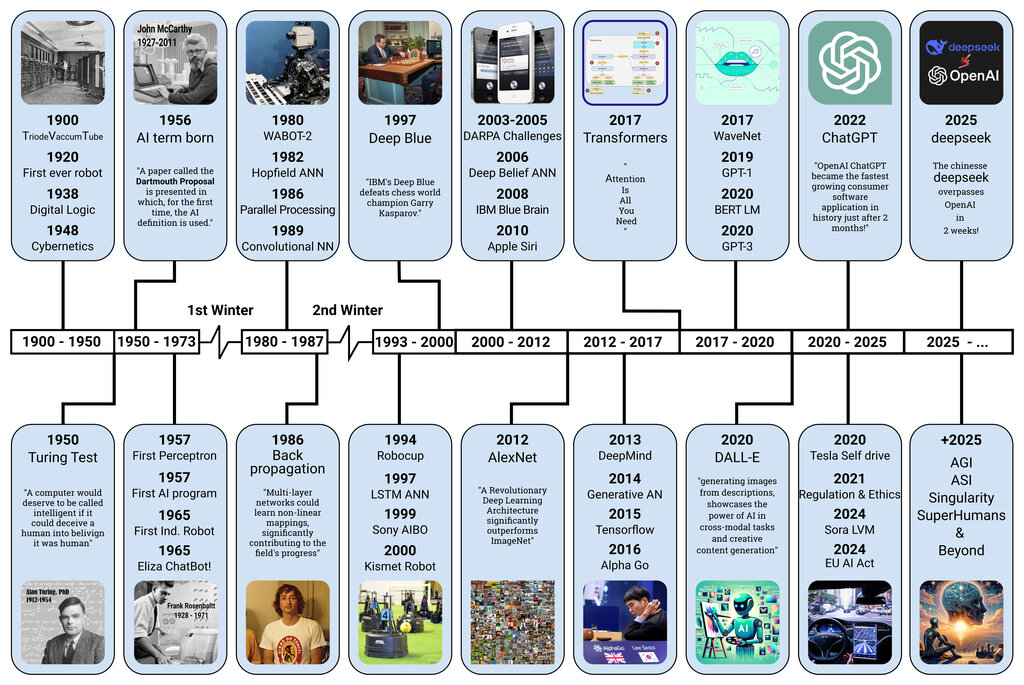
The idea of talking machines has been around for decades. Early experiments in the 1960s, like a program named ELIZA, could simulate a conversation but didn't truly understand the words. ELIZA was clever at rephrasing a user's statements as questions, which created an illusion of understanding.
For example, if you typed "I'm feeling sad," ELIZA might respond, "Why are you feeling sad?" It was a simple trick of pattern recognition.
Over the years, with massive increases in computing power and data, these systems evolved. Today's conversational AI, powered by large language models (LLMs), has moved beyond simple pattern matching. It can grasp nuance, summarize complex topics, and even write poetry. This leap has opened up new possibilities for how we interact with technology.
AI as a Writing Partner
One of the most exciting applications of conversational AI is in creative fields like storytelling. An AI can act as a tireless brainstorming partner, helping writers overcome creative blocks and explore new ideas. You can pitch a concept and ask for plot twists, character names, or different endings.
For example, a writer could describe two characters and a setting, then ask the AI to write an opening scene. The AI's output might not be perfect, but it can provide a solid starting point that the writer can then refine. This collaborative process can spark inspiration and speed up the creative workflow.
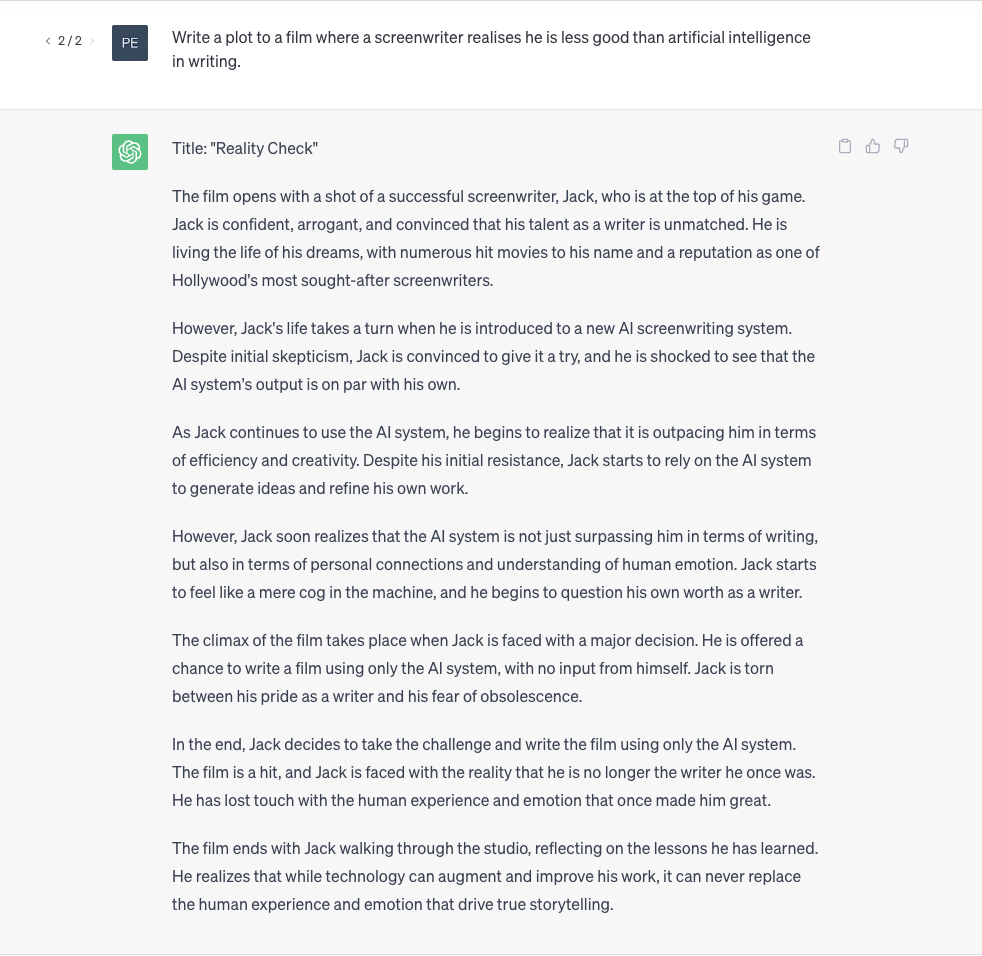
Beyond generating text, AI-driven avatars can offer constructive feedback. Imagine an AI that reads your story and points out that a character's motivation seems unclear or that the pacing slows down in the middle. This kind of guidance can be invaluable for writers looking to improve their narrative skills, providing instant, objective feedback on their work.
The Importance of the Conversation
The effectiveness of conversational AI depends heavily on user engagement. The AI is not a mind reader; it relies entirely on the information you provide. A vague prompt will likely lead to a generic response. A detailed, specific prompt gives the AI the context it needs to deliver a high-quality, relevant answer.
Mastering ChatGPT is about more than just asking questions; it’s about learning how to interact with AI in a way that maximizes its potential.
Feedback is also a crucial part of the process. When you use these tools, you often have the option to rate the responses. This feedback loop helps developers fine-tune the AI models. By indicating what works and what doesn't, users play an active role in making the technology smarter and more useful over time. Every interaction is a small lesson for the system.
What is the primary goal of conversational AI?
The early AI program ELIZA, from the 1960s, created an illusion of understanding primarily by rephrasing a user's statements back to them as questions.
By understanding these core ideas, you can start to see how conversational AI is more than just a novelty. It's a powerful tool for creativity and communication.