AI Social Media Content Kit Course Design
Introduction to AI in Social Media
The New Creative Partner
Artificial intelligence used to be the stuff of science fiction. Now, it's a practical tool changing how we connect with each other online. In social media and digital marketing, AI has evolved from a simple assistant that schedules posts into a sophisticated partner that helps shape entire campaigns.
Early digital marketing relied on basic automation, like sending a welcome email when someone signed up for a newsletter. But today's AI does much more. It can analyze millions of data points to understand what people are interested in, predict trends, and even help generate creative ideas. This shift has turned AI into a core part of modern marketing strategy.
Remaking the Social Media Playbook
The core goal of social media for any brand is to build a connection with its audience. Traditionally, this was a bit like shouting into a crowd. A company would post a single message and hope it resonated with as many people as possible. AI changes this entirely.
Instead of a one-to-many broadcast, AI enables a one-to-one conversation, even with millions of followers. It analyzes user behavior—likes, shares, viewing time, comments—to figure out what each individual finds interesting. This allows for personalization at a massive scale.
Imagine a personal shopper who knows your style perfectly, versus a department store that just stocks everything. AI acts like that personal shopper, curating a social media feed that feels uniquely tailored to you.
This shift from broad messaging to personalized content is the single biggest impact AI has had on social media. It's no longer just about reaching people; it's about connecting with them in a way that feels relevant and authentic.
Personalization and Automation
The two main benefits AI brings to social media are personalization and automation. They work hand-in-hand to create more effective and efficient campaigns.
Personalization is about delivering the right content to the right person at the right time. By analyzing data, an AI can determine that one user loves video tutorials while another prefers short, funny posts. It then ensures each user sees more of the content they're likely to engage with. This makes for a better user experience and helps brands build stronger relationships with their audience.
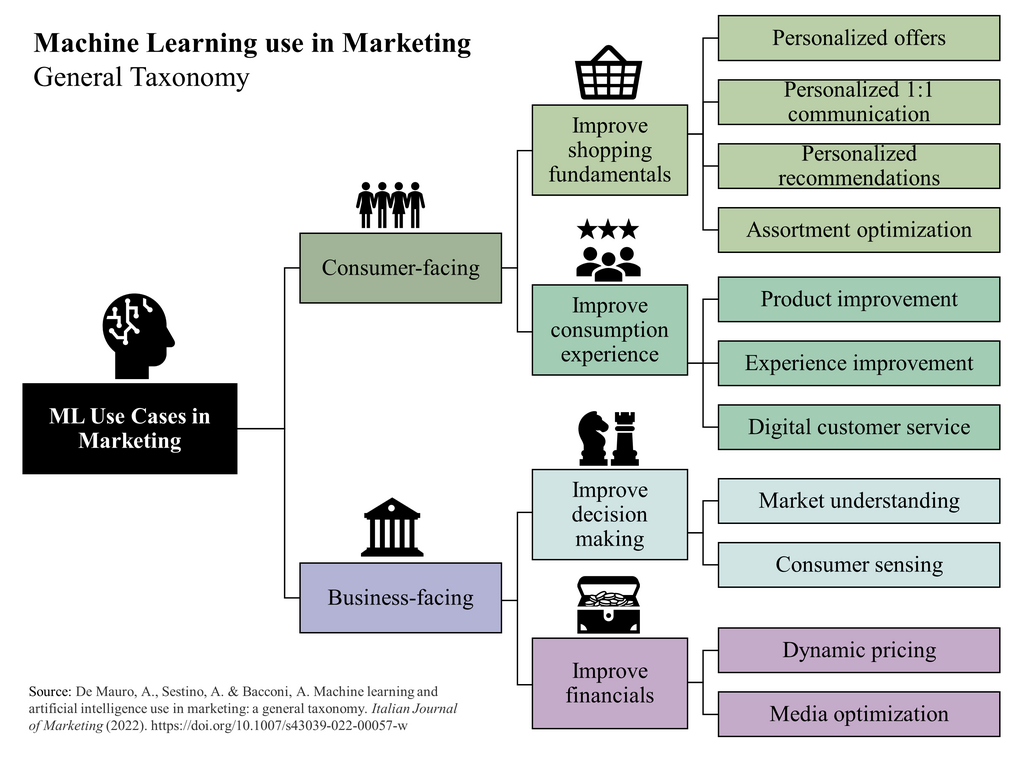
Automation handles the repetitive, time-consuming tasks. This includes things like finding the best time to post for maximum visibility, testing different headlines to see which performs better, or even sorting through comments to identify customer service issues. By offloading this work, AI frees up social media professionals to focus on the bigger picture: strategy, creativity, and building community.
Generative Artificial Intelligence (AI) tools are increasingly deployed across social media platforms, yet their implications for user behavior and experience remain understudied, particularly regarding two critical dimensions: (1) how AI tools affect the behaviors of content producers in a social media context, and (2) how content generated with AI assistance is perceived by users.
The Ethical Tightrope
With great power comes great responsibility. The use of AI in social media raises important ethical questions that we need to consider. Chief among them are data privacy and algorithmic bias.
To personalize content, AI needs data. This raises questions about how much information is collected and how it's used. Users need to feel confident that their privacy is being respected. Transparency is key; people should understand what data is being gathered and have control over it.
Algorithmic bias is another significant concern. An AI learns from the data it's given. If that data reflects existing societal biases, the AI can learn and even amplify them. This could lead to unfair targeting or the creation of filter bubbles, where users are only shown content that reinforces their existing beliefs.
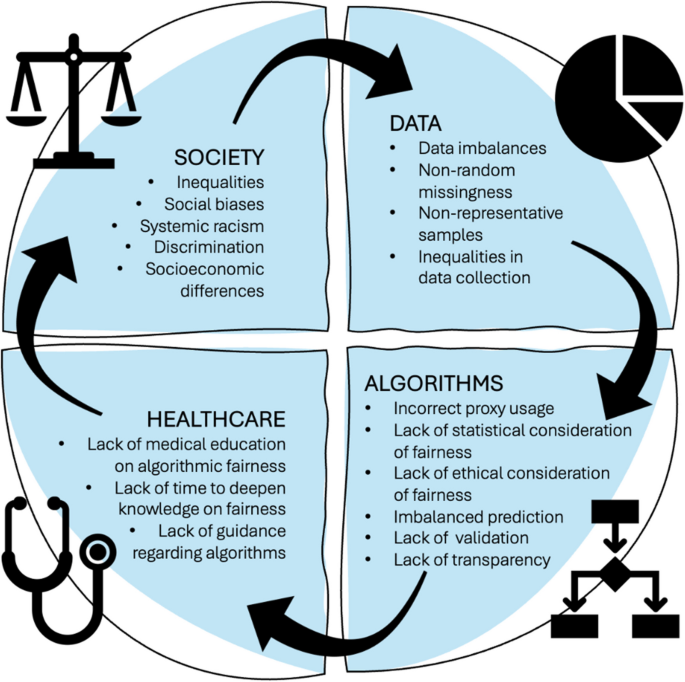
Navigating these challenges requires a thoughtful approach. It involves building fairness checks into algorithms, being transparent with users, and prioritizing human oversight. The goal is to use AI to enhance connection, not to exploit data or reinforce division.
Here's a quick recap of the key terms we've discussed.
Ready to test your knowledge?
What is described as the single biggest impact of AI on social media?
A marketing team uses an AI tool to automatically identify the best times to publish content for maximum user engagement. This is an example of which key AI benefit?
As AI continues to evolve, its role in our digital lives will only grow. Understanding its capabilities and its challenges is the first step toward using it wisely.