AI Smart Dog Bed for Health Monitoring
Understanding Canine Physiology
A Dog's Vital Signs
Just like humans, dogs have vital signs that can tell us a lot about their health. These basic physiological markers—heart rate, respiratory rate, and body temperature—provide a snapshot of a dog's well-being. Knowing the normal ranges for your dog can help you spot potential health problems early. When these vitals are stable and within their typical limits, it's a good sign that your dog's body is functioning as it should.
Heart Rate
A dog's heart rate, or pulse, is the number of times its heart beats per minute. The normal resting heart rate for an adult dog is typically between 60 and 140 beats per minute. However, this can vary quite a bit depending on the dog's size. Smaller breeds and puppies tend to have faster heart rates, sometimes up to 180 beats per minute, while larger dogs have slower rates.
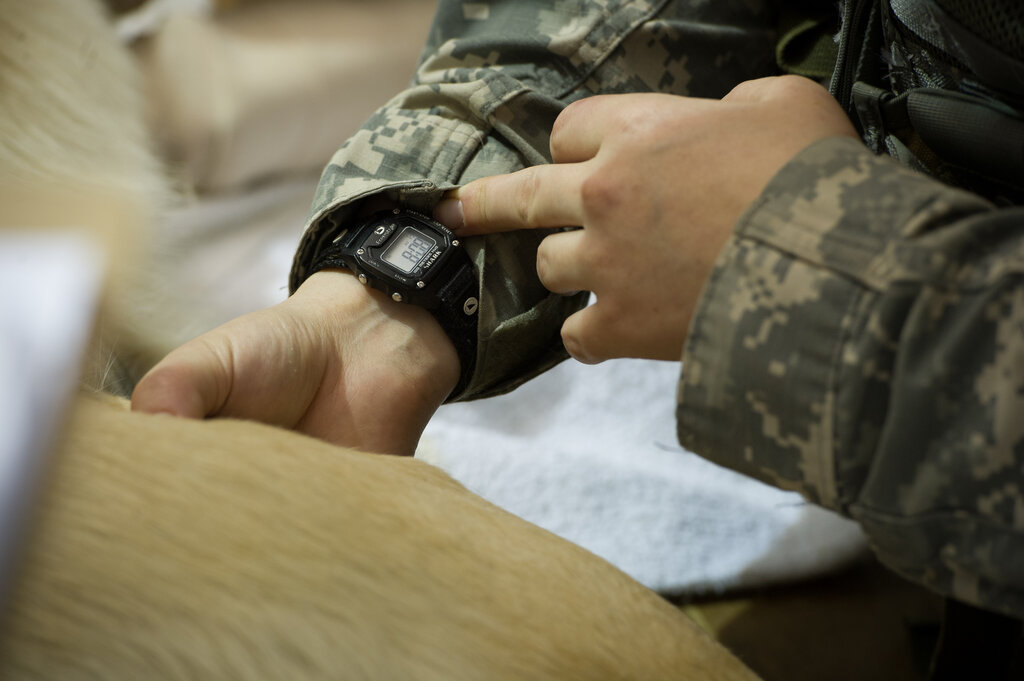
You can feel your dog's pulse on the inside of their hind leg, where the leg joins the body. This is where the femoral artery is close to the skin. To measure the heart rate, count the number of beats you feel in 15 seconds and then multiply by four.
Breathing and Temperature
A dog's respiratory rate is the number of breaths it takes per minute. A healthy, resting dog will typically take between 10 and 35 breaths per minute. You can measure this by watching your dog's chest rise and fall when they are calm and relaxed. Count the number of breaths for a full 60 seconds. It's important not to measure this when a dog is panting, as panting is a normal way for dogs to cool down and doesn't reflect their resting respiratory rate.

A dog's normal body temperature is higher than a human's, usually ranging from 101 to 102.5 degrees Fahrenheit (38.3 to 39.2 degrees Celsius). A temperature above 103°F (39.4°C) can be a sign of fever or heat stroke, while a temperature below 99°F (37.2°C) could indicate shock or another serious condition. The most accurate way to take a dog's temperature is with a rectal digital thermometer.
Why Monitoring Matters
Tracking these vital signs helps establish a baseline for what's normal for your specific dog. Deviations from this baseline can be the first sign of a health issue. Changes in vitals don't always mean something is wrong, as they can be affected by excitement, exercise, or stress. However, persistent changes are worth noting.
| Vital Sign | Potential Issue if Too High | Potential Issue if Too Low |
|---|---|---|
| Heart Rate | Heat stroke, dehydration, heart disease | Heart disease, shock |
| Respiratory Rate | Heat stroke, pneumonia, heart failure | Shock, toxin exposure, late-stage disease |
| Temperature | Fever, infection, heat stroke | Hypothermia, shock, severe illness |
For example, a consistently high heart rate could point to conditions like heart disease or dehydration. A rapid breathing rate could signal respiratory distress, pain, or even heart failure. A fever is a common sign of infection. By monitoring these simple metrics, you can gather valuable information that helps you and your veterinarian keep your dog healthy.
What is the typical resting heart rate range for an adult dog?
Where is the best place to feel for a dog's pulse?