AI Skills for Future Relevance
Introduction to Artificial Intelligence
What Is Artificial Intelligence?
Artificial intelligence (AI) is a broad field of computer science focused on creating machines that can perform tasks that typically require human intelligence. This includes abilities like learning from experience, solving problems, understanding language, and recognizing objects.
Think of AI not as a single technology, but as a collection of methods and tools that allow computers to sense, reason, act, and adapt.
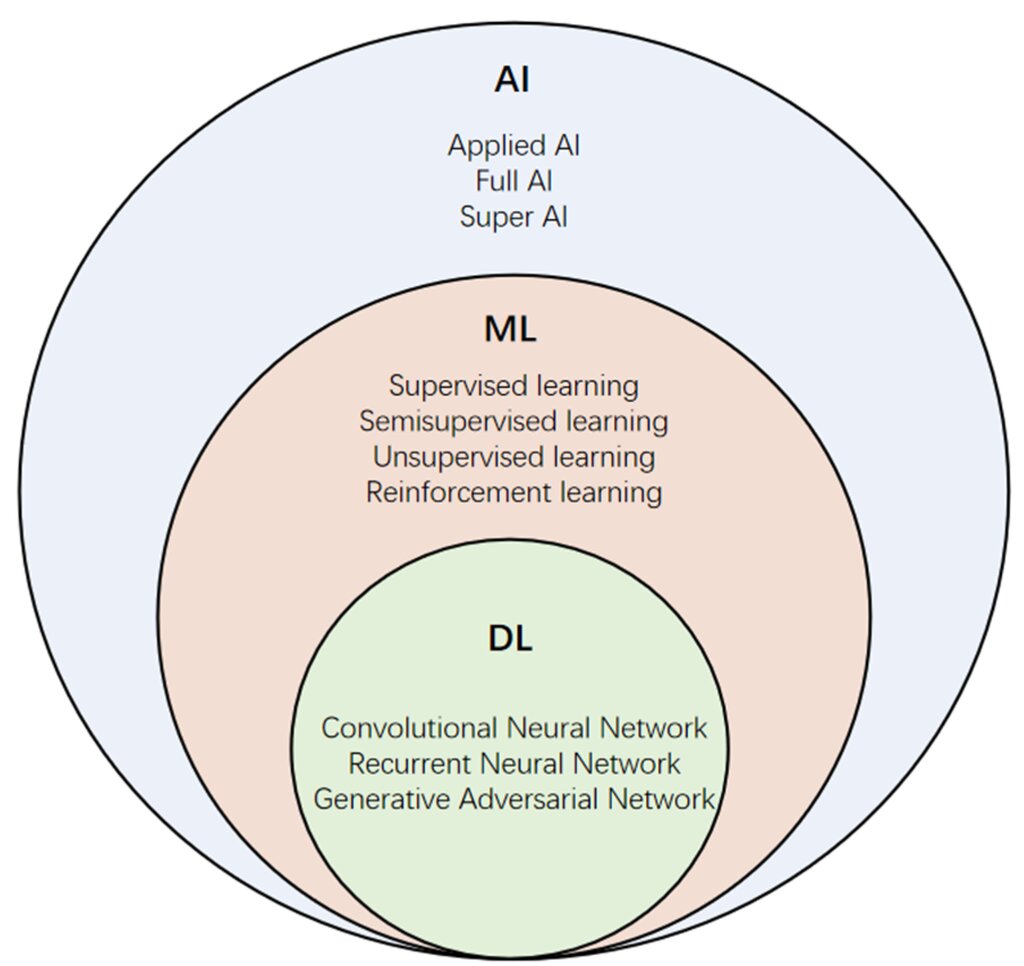
At its core, AI aims to simulate our own cognitive functions. Instead of being explicitly programmed for every single task, some AI systems can learn patterns from vast amounts of data. This learning ability is what makes AI so powerful and versatile. The entire field can be visualized as a set of nested disciplines, where more specific areas are subsets of broader ones.
A Brief History of AI
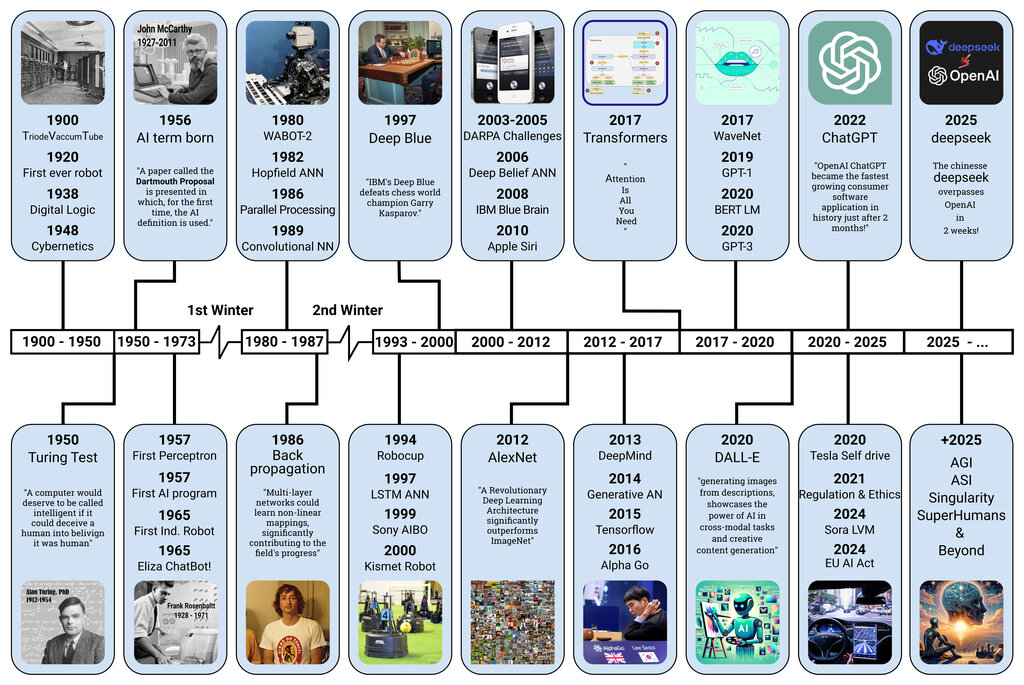
The idea of intelligent machines has been around for centuries, but the modern field of AI officially began in the summer of 1956. A group of researchers gathered for a workshop at Dartmouth College to explore the possibility of creating machines that could think. It was here that the term "artificial intelligence" was coined.
The journey of AI has had its ups and downs. Early excitement led to significant government funding, but progress was slower than expected. This led to periods known as "AI winters," when interest and funding dried up. However, recent breakthroughs, driven by the availability of massive datasets and powerful computers, have brought AI back to the forefront of technology, leading to rapid advancements.
The Branches of AI
Artificial intelligence isn't one single thing. It's an umbrella term that covers several specialized subfields. Each branch focuses on a different aspect of intelligence, and they often overlap in real-world applications. Understanding these branches helps clarify what AI can do.
| Subfield | Focus | Common Application |
|---|---|---|
| Machine Learning (ML) | Algorithms that allow computers to learn from data without being explicitly programmed. | Spam filters in your email that learn to identify junk mail. |
| Natural Language Processing (NLP) | Enabling computers to understand, interpret, and generate human language. | Voice assistants like Siri or Alexa, and translation apps. |
| Computer Vision | Training machines to interpret and understand visual information from the world. | Facial recognition for unlocking your phone, or analyzing medical scans. |
| Robotics | Designing and building robots that can perform tasks autonomously or semi-autonomously. | Automated assembly lines in factories and robotic vacuum cleaners. |
These are just a few of the major areas. Other subfields include areas like expert systems, which are designed to solve complex problems in a specific domain (like medical diagnosis), and planning, which involves setting goals and charting a path to achieve them.
AI in the Real World
You probably interact with AI every day without even realizing it. It has quietly become integrated into many of the services and products we use.
When a streaming service suggests a movie you might like, that's AI analyzing your viewing habits. When your bank flags a potentially fraudulent transaction, that's an AI system detecting unusual activity. AI is transforming nearly every industry.
In healthcare, AI helps doctors spot diseases like cancer in X-rays with greater accuracy. In agriculture, it can analyze crop health from drone imagery to improve yields. In transportation, AI is the brain behind self-driving cars and optimized delivery routes.
The impact of AI is its ability to process and find patterns in data at a scale humans simply cannot. This allows businesses to operate more efficiently, scientists to make discoveries faster, and creators to develop new forms of art and entertainment.
Let's review the key concepts we've covered.
Now, check your understanding of these foundational ideas.
What is the primary goal of artificial intelligence?
The term "artificial intelligence" was officially coined at a workshop held at which institution?
This foundation gives you a starting point for understanding the more complex and exciting developments happening in the world of AI.