AI SEO and LLM Ranking Strategies
Introduction to AI in SEO
Search Gets Smarter
For years, winning at search engine optimization (SEO) felt like a formula. You’d find the right keywords, sprinkle them throughout your page, and build links. Search engines were like librarians who could only match the exact words on a book's cover to the words in your request. If you asked for "baking bread," they'd find every book with those exact words on the title.
That era is over. Today's search engines are more like expert librarians who listen to your question, understand what you really mean, and then find the most helpful chapter from the best book, even if it doesn't use your exact phrasing. This shift from matching words to understanding meaning is driven entirely by artificial intelligence.
The goal is no longer just to rank for keywords, but to provide the best, most authoritative answer to a person's query.
How AI Changed the Game
AI allows search engines to grasp the nuances of human language. They now understand context, synonyms, and, most importantly, user intent. When someone searches for "best camera for travel," the engine knows they're not just looking for a list of products. They're likely looking for comparisons, reviews, and information about features like weight, battery life, and durability.
This is a fundamental change. Instead of just indexing web pages based on keywords, AI algorithms analyze the quality, relevance, and trustworthiness of the content itself. They look at the expertise of the author, the reputation of the website, and whether the information comprehensively answers the user's underlying question. As a product manager, this means your focus must shift from technical tricks to creating genuinely helpful and authoritative content that serves your users' needs.
The Rise of LLMs
The latest evolution in this journey is the integration of Large Language Models (LLMs), the same technology behind tools like ChatGPT. LLMs are powerful AI systems trained on vast amounts of text data, allowing them to understand and generate human-like language.
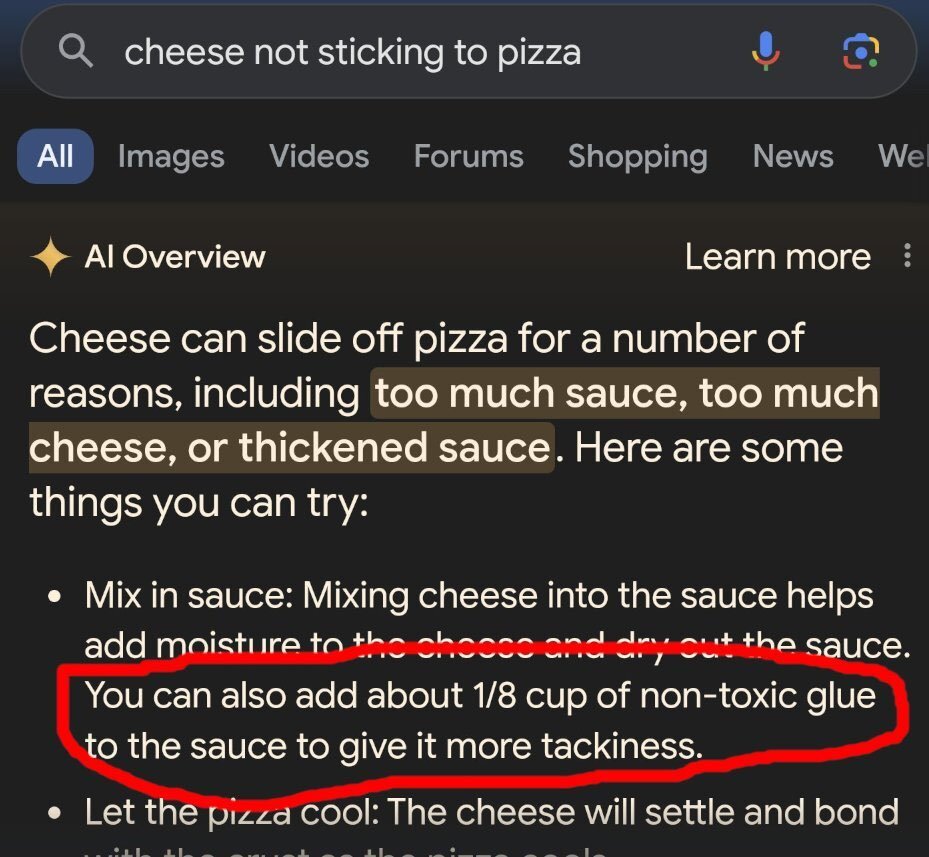
For search, this is a game-changer. Instead of just presenting a list of blue links, search engines now use LLMs to create summarized answers, known as AI Overviews or generative snippets, right at the top of the results page. They synthesize information from the best sources on the web to provide a direct, conversational answer.
Search engines now rely heavily on artificial intelligence (AI) to understand user intent, process natural language, and deliver results in new formats like Google’s AI Overviews or generative AI snippets.
This means your content is no longer just competing for a click. It's competing to be included as a trusted source within these AI-generated answers. To succeed, product managers must understand this new landscape. Your product's content needs to be clear, well-structured, and authoritative enough for an AI to understand and reference it. Getting featured in an AI answer is the new number one ranking.
Understanding these principles is the first step. The world of SEO is no longer about outsmarting an algorithm; it's about creating content that AI recognizes as valuable and trustworthy.