AI Search Visibility for Marketing Agencies
Understanding AI Language Models
What Are AI Language Models?
Think of an AI language model as an incredibly well-read assistant. It has been trained on a colossal amount of text from the internet, books, and articles—far more than any human could read in a lifetime. By processing all this information, it learns the patterns, rules, grammar, and nuances of human language.
At its core, a large language model (LLM) is a type of artificial intelligence designed to understand and generate human-like text. When you give it a prompt, whether it's a question, a command, or just a few words, the model predicts the most statistically likely sequence of words to create a relevant and coherent response. It’s like a supercharged autocomplete that doesn't just guess the next word, but the entire conversation.

This ability allows them to do amazing things, from answering complex questions and writing emails to drafting marketing copy and even generating computer code. They are becoming the new interface for how we find information and create content.
The Key Players
While the technology is complex, a few key players have emerged, each with its own strengths. You've likely heard of most of them.
ChatGPT (OpenAI): The model that brought conversational AI into the mainstream. It excels at generating creative text, brainstorming ideas, and holding natural-sounding conversations.
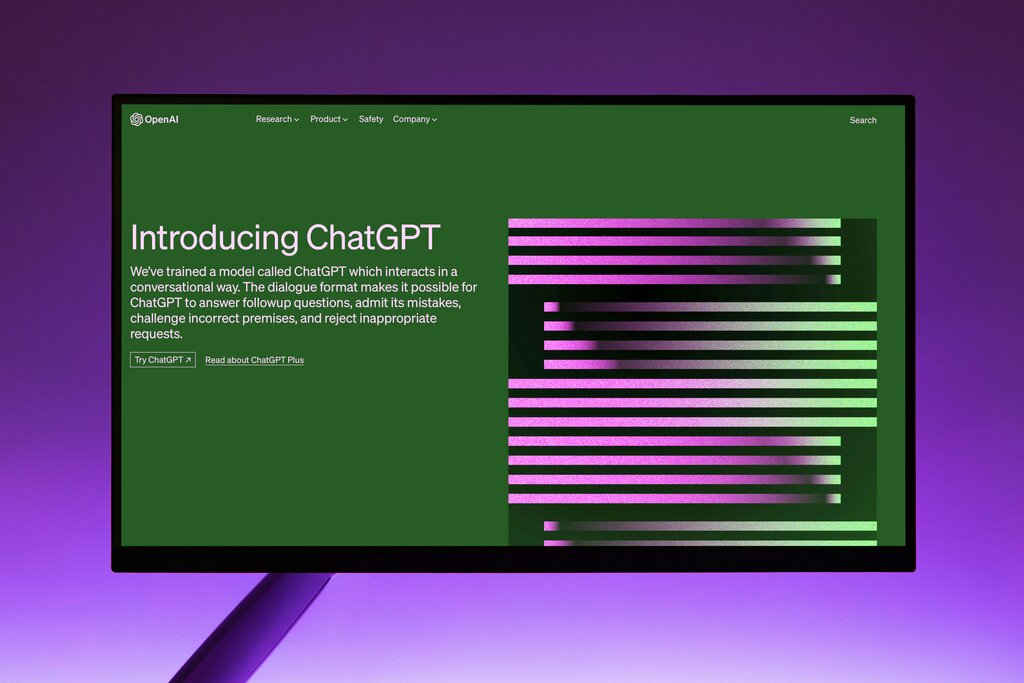
Gemini (Google): Google's flagship model is deeply integrated with its massive search index. This gives it a powerful ability to pull in real-time information and makes it a formidable tool for research and fact-based queries.
Claude (Anthropic): Developed with a strong emphasis on safety and ethics. Claude is known for its ability to handle very large amounts of text (like entire books) in a single prompt and for providing thoughtful, nuanced answers.
Perplexity: This tool functions more like a conversational search engine. It answers questions by synthesizing information from the web and, crucially, provides citations for its sources. This makes it excellent for research where verification is key.
How LLMs Are Changing Marketing
For digital marketers, the rise of LLMs isn't just a new trend—it's a fundamental shift in how people find information and interact with brands. Instead of just searching with keywords, users are now asking complex questions and getting direct, synthesized answers from AI.
To get your brand to appear in answers generated by large language models (LLMs) like ChatGPT, Perplexity, or Gemini, you need to focus on strategies that go beyond traditional SEO.
This has two major implications for marketing agencies.
First, there's content generation. LLMs can act as powerful assistants, helping to brainstorm blog post ideas, draft social media updates, write ad copy, and even create personalized email campaigns at a scale that was previously unimaginable. This speeds up workflows and allows marketers to focus more on strategy and creativity.
Second, and perhaps more importantly, is information retrieval. When a potential customer asks an AI a question like, "What's the best marketing agency for a small e-commerce business?" the AI generates an answer based on the information it has been trained on. If your agency's content isn't part of that information, you're invisible.
This means that creating high-quality, comprehensive, and clear content is more important than ever. Your website, blog posts, and case studies need to be structured in a way that an AI can easily understand and reference. The goal is no longer just to rank on a search engine results page, but to become a trusted source that AI models cite in their answers.
What is the core function of a Large Language Model (LLM)?
According to the text, what are the two major implications of LLMs for marketing agencies?
Understanding these models is the first step. Next, you'll learn how to adapt your strategies to thrive in this new, AI-driven landscape.