AI Search Explained
Introduction to Search Technologies
How Search Engines Work
When you type a question into a search bar and hit enter, you're kicking off a process that sifts through trillions of pieces of information in a fraction of a second. This isn't magic; it's a finely tuned system with three core parts: the crawler, the index, and the ranking algorithm.
Think of it like a global library. A crawler, also known as a spider or bot, is the librarian that constantly roams the internet, discovering new books (web pages) and noting any changes to existing ones. The index is the library's card catalog—a massive, organized database of all the information the crawler has found. Finally, the ranking algorithm is the expert assistant who listens to your request and pulls the most relevant books from the shelf, putting the best ones on top.
Crawling and Indexing
Before a search engine can answer your questions, it first needs to know what's out there. This is the job of web crawlers. These automated programs constantly browse the web, following links from one page to another, 24/7. They discover new pages, updates to existing pages, and dead links.
As the crawler finds information, it sends it to the index. Indexing isn't just about storing a copy of a webpage. The search engine analyzes the content, breaking it down to identify keywords, topics, media types, publication dates, and hundreds of other signals. This information is then organized in a massive database, an index, designed for incredibly fast retrieval.
The goal of indexing is to create a lightning-fast lookup table for the entire internet, so that when you search, the engine is searching its own organized copy, not the live web.
Ranking the Results
Finding millions of pages that mention your search term is the easy part. The real challenge is ranking them so the most useful results appear first. This is where ranking algorithms come in. These are complex sets of rules and formulas that evaluate every page in the index against a user's query.
While the exact formulas are secret, they generally rely on a few key factors to determine relevance and quality.
| Factor | Description |
|---|---|
| Relevance | How well the content on the page matches the keywords in your search query. The algorithm looks at where these words appear, like in titles or headings. |
| Authority | How trustworthy and important the source is. A primary way this is measured is by looking at how many other reputable websites link to the page. |
| Freshness | How recently the content was published or updated. For news-related searches, newer content is often ranked higher. |
| Location | Your geographical location can influence results, especially for searches like "restaurants near me." |
The algorithm weighs these factors and many others to score each page, presenting them to you as a list from most to least relevant.
Where Traditional Search Falls Short
For all their power, traditional search engines have limitations. Their biggest weakness is their reliance on keywords. They are incredibly skilled at matching the words in your query to words on a page, but they don't truly understand the meaning or intent behind them.
If you search for "tallest building," the engine will find pages with those exact words. But what if you ask a more conversational question, like "how high is the one in Dubai?" A traditional engine might struggle because it's looking for the keywords, not the concept. It lacks the ability to understand context, sarcasm, or complex, multi-part questions.
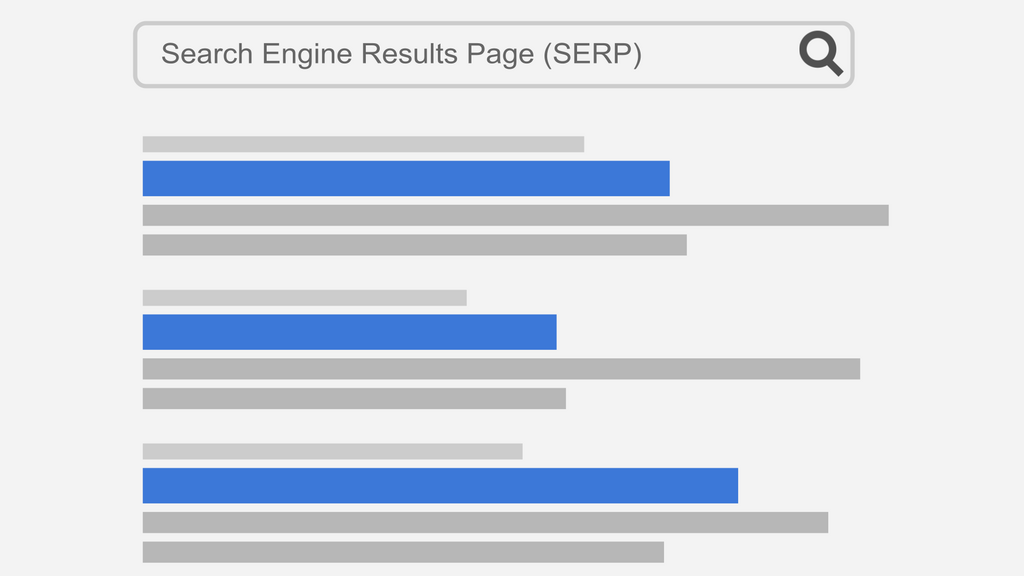
This can lead to information overload. You get a list of ten blue links and have to click through them, hoping to find the answer you need. The engine has pointed you to the right section of the library, but you still have to find the specific sentence in the book yourself. Understanding these limitations is key to seeing why search is evolving.