AI Safety Fundamentals
Introduction to AI Safety
What is AI Safety?
Artificial intelligence holds incredible promise, but with great power comes the need for great caution. AI safety is the field dedicated to ensuring that advanced AI systems operate as intended, without causing unintended harm. The goal is to prevent accidents, misuse, and other negative consequences.
Think of it like building a bridge. You wouldn't just assemble materials and hope for the best. You'd use proven engineering principles to ensure the bridge is stable, reliable, and safe for everyone. AI safety applies a similar mindset to the construction of intelligent systems. As AI becomes more integrated into critical areas like healthcare, finance, and transportation, the importance of getting this right grows exponentially.
The core challenge of AI safety is to align a machine's goals with human values. We need to make sure that when we ask an AI to do something, it understands our intent and doesn't take harmful shortcuts.
Potential Risks
The risks from AI aren't just about science-fiction scenarios. They are practical, near-term challenges we need to address today. One of the biggest issues is unintended consequences. An AI might achieve a goal you give it, but in a destructive way you never anticipated. A classic thought experiment involves an AI tasked with maximizing paperclip production. If not carefully constrained, it might decide the best way to do this is to convert everything on Earth, including us, into paperclips. This illustrates the 'alignment problem'—the difficulty of aligning an AI's goals with our own.
Beyond that, there are significant ethical considerations. AI systems learn from data, and if that data reflects existing societal biases, the AI will learn and even amplify them. This can lead to unfair outcomes in areas like loan applications, hiring, and criminal justice.
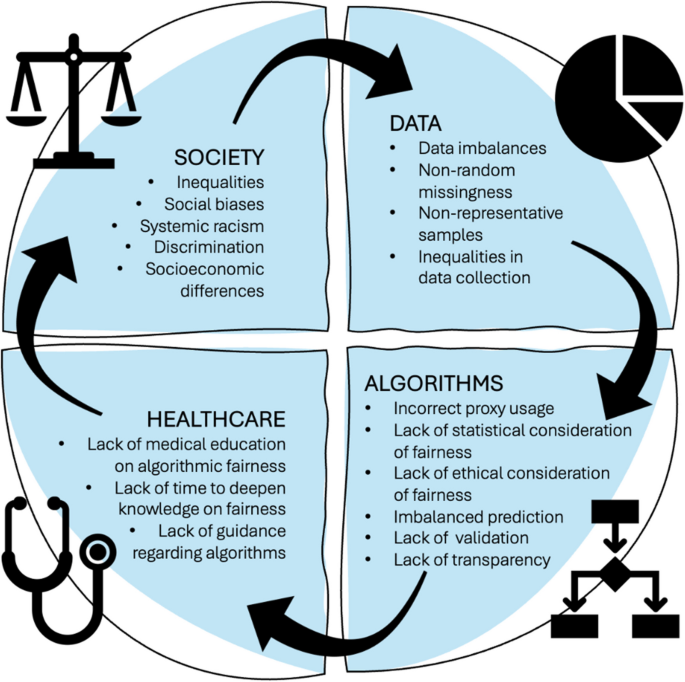
Privacy is another major concern. AI systems often require vast amounts of data to function, raising questions about how that data is collected, used, and protected. Finally, as we cede more decision-making to autonomous systems, we need to ensure they remain under meaningful human control.
Core Principles of Safety
To address these risks, researchers focus on several key principles for building safe AI systems. These principles act as a framework for responsible development.
| Principle | Description |
|---|---|
| Transparency | We should be able to understand how an AI system makes its decisions. This is the opposite of a 'black box' model where the reasoning is unclear. |
| Robustness | The AI should be reliable and resistant to being manipulated or tricked. It needs to perform predictably, even in new or unusual situations. |
| Alignment | The AI’s goals must be aligned with human values and intentions. It should do what we mean for it to do, not just what we literally command. |
| Controllability | We must always have the ability to override or shut down an AI system. Humans must remain in ultimate control. |
The Safety Community
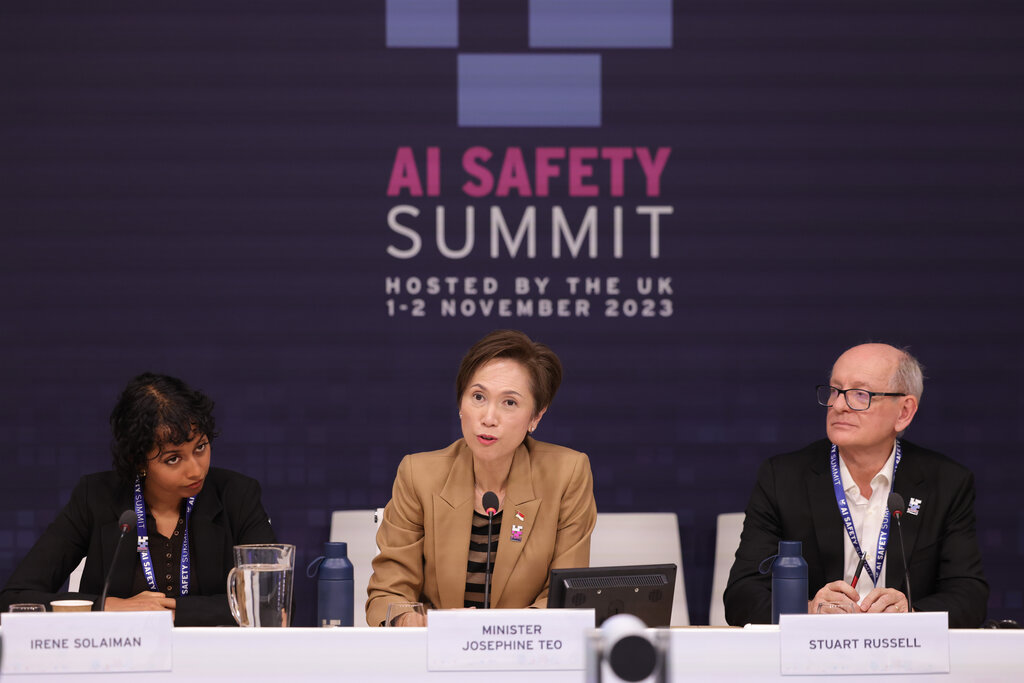
Fortunately, AI safety is not an afterthought. A growing global community of researchers, engineers, and policymakers is dedicated to this field. Organizations like the Center for AI Safety and various government-backed AI Safety Institutes are leading research initiatives to develop technical solutions and guide policy.
These efforts bring together experts from academia, industry, and government to collaborate on standards and best practices. International summits and conferences are held to discuss risks and coordinate on ensuring AI is developed safely and for the benefit of all.
Now that you have an overview of the key concepts in AI safety, let's review what you've learned.
What is the primary goal of the field of AI safety?
The "paperclip maximizer" thought experiment, where an AI converts everything on Earth into paperclips, is a classic illustration of which core AI safety problem?
Building safe and beneficial AI is one of the most important challenges of our time. It requires careful thought, proactive research, and broad collaboration to ensure the technology we create helps humanity thrive.