AI Safety for Young Explorers
Introduction to AI
What is Intelligence?
Think about how you learn new things. When you were a baby, you learned to recognize faces. In school, you learned how to read and do math. You learn from experience, and you get smarter over time. Intelligence is the ability to learn, understand, and apply knowledge to solve problems.
Now, what if we could teach a machine to do that? That’s the big idea behind Artificial Intelligence, or AI for short. It’s not about robots taking over the world like in the movies. It’s about making computers smart enough to help us with tasks.
intelligence
noun
The ability to learn, understand, and use knowledge to handle new situations or solve problems.
The goal of AI is to create computer systems that can perform tasks that usually require human intelligence. This includes things like recognizing speech, making decisions, and even understanding emotions.
Think of it this way: We are teaching computers to think and learn, much like a person does.
How AI Learns
So, how does a computer learn? It doesn't go to school, but it does study. Instead of books, an AI studies huge amounts of information called data. Data can be anything from pictures and text to numbers and sounds.
For example, to teach an AI to recognize a cat, we would show it thousands of pictures of cats. The AI looks for patterns in the data. It learns that cats usually have pointy ears, whiskers, and a tail. After seeing enough examples, it can spot a cat in a new picture it has never seen before.
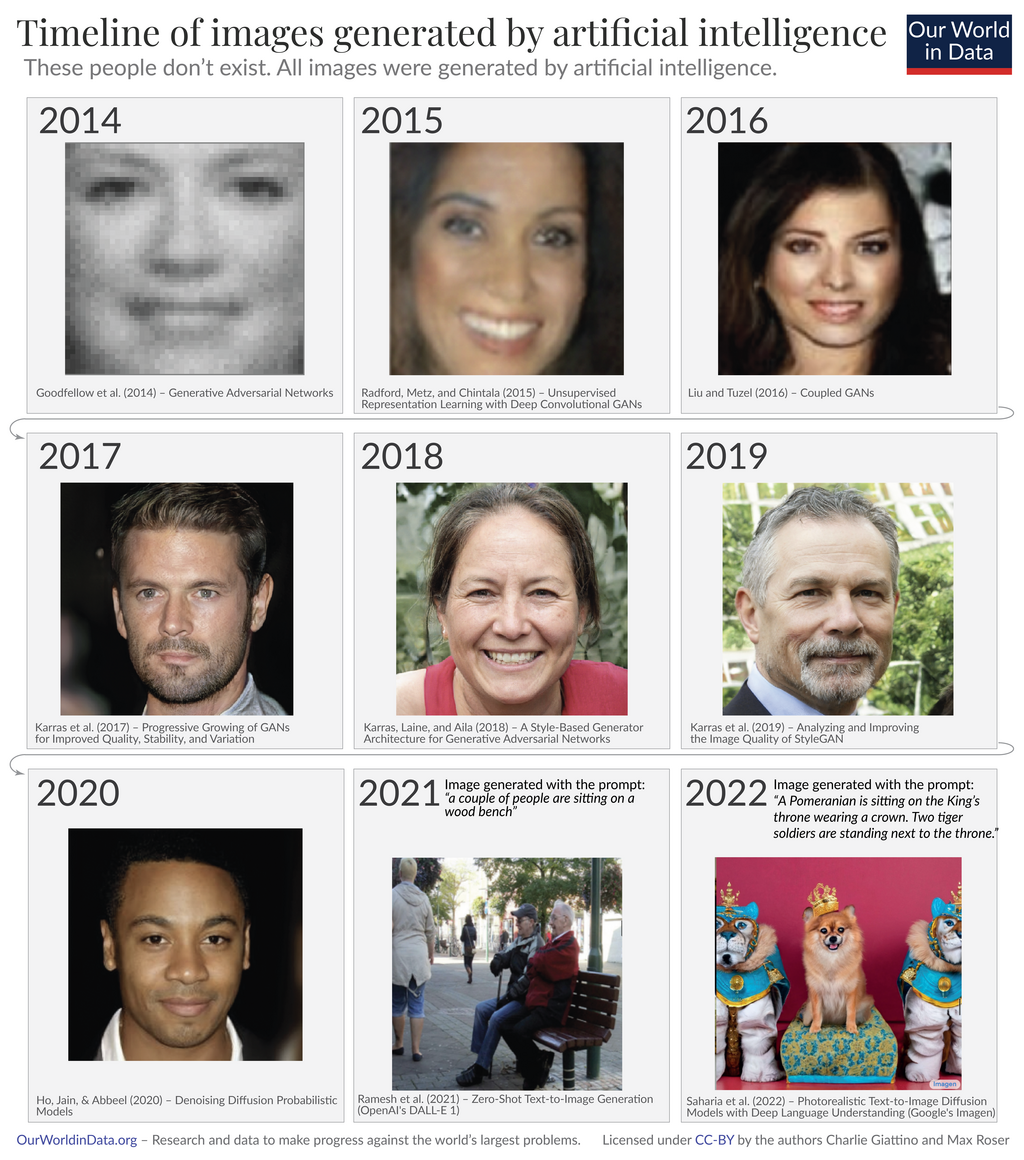
This process of learning from data is a key concept called machine learning. It's the most common way we build AI today. The more data an AI gets, the smarter and more accurate it can become.
AI in Your Daily Life
You might be surprised to learn that you probably use AI every single day. It works quietly in the background of many apps and devices you love.
Do you ever watch videos online or listen to streaming music? The recommendations for what to watch or listen to next are often powered by AI. The system learns what you like based on what you’ve watched or listened to before and suggests new things it thinks you'll enjoy.
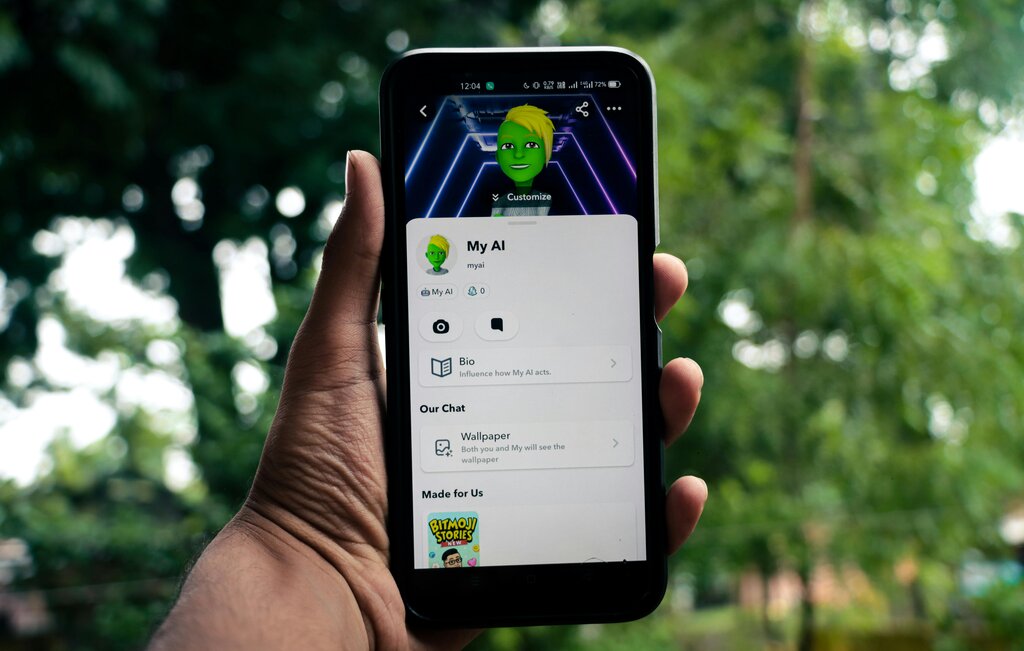
Have you ever asked Siri, Alexa, or Google Assistant a question? You were talking to an AI. These virtual assistants use AI to understand your voice and find the answers you need.
Even video games use AI. The non-player characters (NPCs) that run around in your game world are controlled by AI. It helps them make decisions, like how to move around obstacles or react when they see your character.
A Quick Look Back
The idea of creating artificial beings is very old, appearing in ancient myths and stories. But the actual science of AI is much younger. Scientists and thinkers started seriously talking about creating “thinking machines” in the 1950s.
For a long time, computers weren't powerful enough to make these ideas a reality. But over the decades, technology improved. A major milestone happened in 1997, when an IBM computer named Deep Blue defeated the world chess champion. It was a huge moment that showed how powerful AI could become.
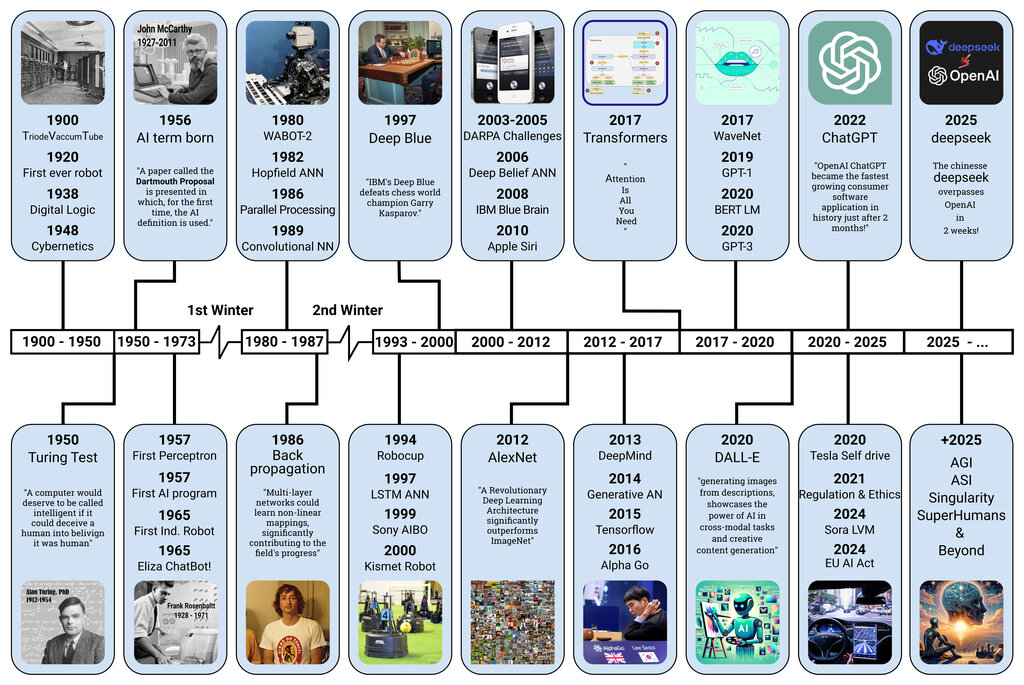
Today, thanks to powerful computers and access to massive amounts of data, AI is growing faster than ever. It's an exciting field that is changing our world in many positive ways, from helping doctors diagnose diseases to making our daily lives a little easier.
Ready to check your understanding? Let's see what you've learned about AI.
What is the main goal of Artificial Intelligence (AI)?
How does an AI system, like one that identifies cats in photos, typically learn?
AI is a big topic, but it all starts with the simple idea of teaching machines how to learn. As you continue to see and use technology, you'll now be able to spot the AI working behind the scenes.