AI Revolutionizes Hospitality
Introduction to AI in Hospitality
A New Era for Hospitality
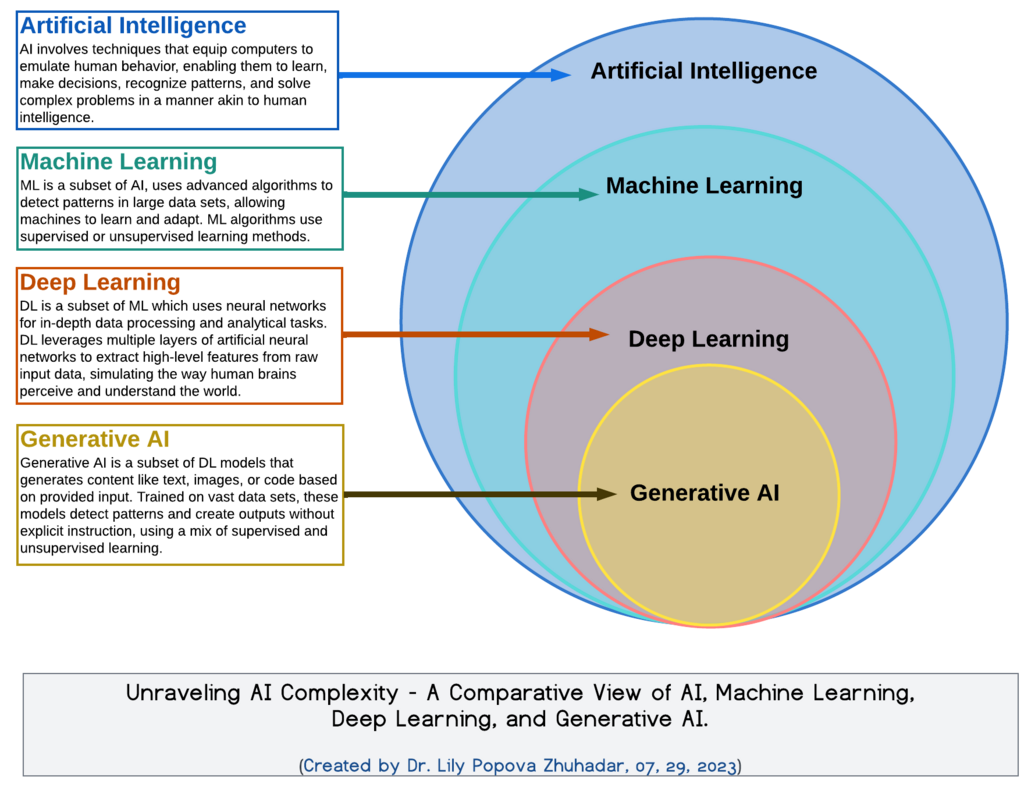
Artificial intelligence, or AI, isn't just about robots and science fiction anymore. At its core, AI involves creating smart systems that can perform tasks that typically require human intelligence. This includes things like learning from experience, understanding language, recognizing patterns, and making decisions.
Think of it as a broad field of computer science. It has evolved from simple rule-based programs to complex systems capable of learning and adapting on their own. This evolution is what has made AI a powerful tool for industries like hospitality, which thrive on providing excellent service and managing complex operations.
The hospitality industry is a perfect match for AI because it's built on data. Every booking, guest preference, review, and operational detail is a piece of information. AI systems can analyze this vast amount of data to find insights that help hotels, restaurants, and travel companies serve their customers better and run their businesses more smoothly.
Enhancing the Guest Experience
The biggest impact of AI in hospitality is on the guest experience. It all starts with personalization. Before a guest even arrives, AI can analyze their past behavior and preferences to offer tailored booking options, room upgrades, or special packages.
During their stay, AI-powered tools continue to enhance the experience. Chatbots and virtual assistants can answer guest questions instantly, 24/7. Whether someone needs more towels, wants to know the pool hours, or is looking for a dinner recommendation, AI can provide immediate help. This frees up human staff to handle more complex or personal requests.
AI can analyze guest reviews and social media feedback in real-time, giving hotels a clear picture of what they're doing right and where they can improve.
In-room technology is another area where AI shines. Smart rooms can adjust lighting, temperature, and entertainment based on a guest's preferences, which the system learns over time. This creates a comfortable, customized environment that makes guests feel understood and valued.
Smarter Hotel Operations
Beyond making guests happy, AI also makes hotel operations more efficient. One of the most important applications is revenue management. AI algorithms can analyze market demand, competitor pricing, local events, and even weather forecasts to set optimal room rates. This practice, known as dynamic pricing, helps hotels maximize their occupancy and revenue.
AI also helps with managing the property itself. Predictive maintenance systems use sensors and data analysis to predict when equipment, like an air conditioning unit or an elevator, is likely to fail. This allows the hotel to perform maintenance proactively, avoiding unexpected breakdowns and guest disruptions.
AI is no longer a futuristic concept—it's a practical tool that allows businesses to analyze vast amounts of data and deliver tailored experiences at scale.
Staffing can also be optimized with AI. By analyzing booking patterns and guest traffic, AI can help managers schedule the right number of staff for the front desk, housekeeping, and restaurants, ensuring great service without overstaffing.
Ready to check your understanding?
According to the text, what is the core reason AI is particularly well-suited for the hospitality industry?
A hotel's AI system analyzes market demand, local events, and competitor pricing to constantly adjust room rates. What is this practice called?
By handling data-intensive tasks, AI allows hospitality professionals to focus more on the human side of service, creating memorable experiences for every guest.