AI Revolution in Global Marketing
Introduction to AI in Marketing
What Is AI in Marketing?
Artificial intelligence in marketing isn't about futuristic robots taking over creative jobs. It's much more practical. At its core, it's about using smart technology to understand data, automate tasks, and make better decisions. This allows businesses to connect with customers in more meaningful ways.
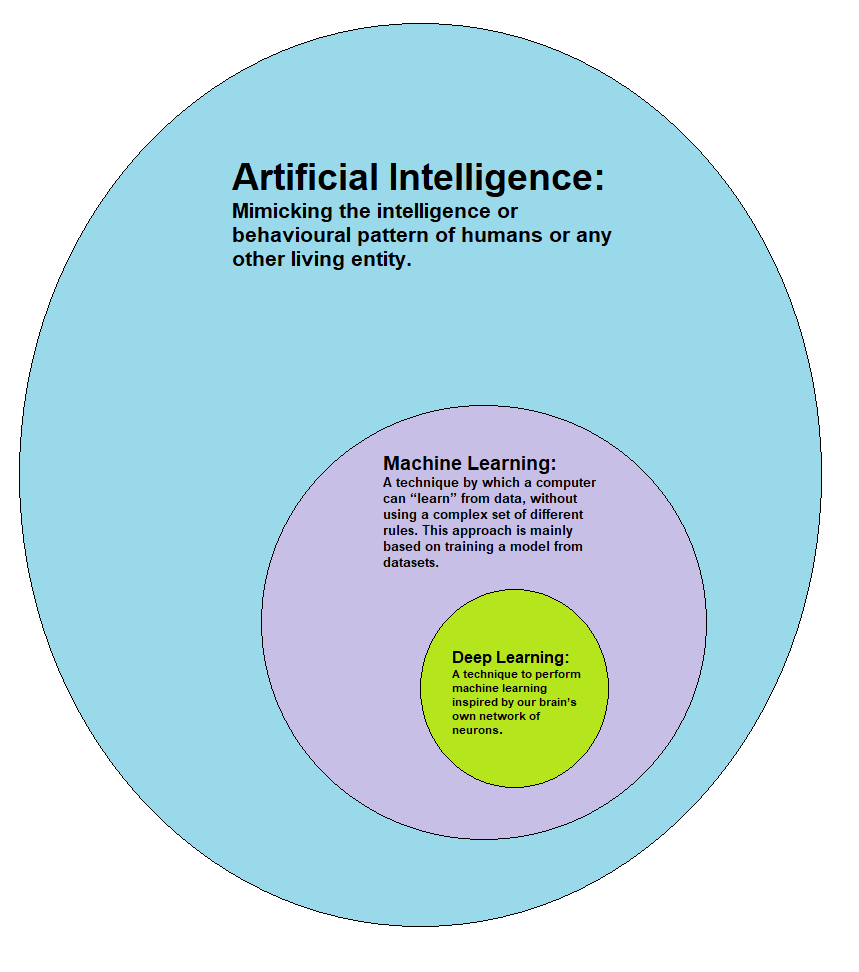
AI marketing refers to the use of artificial intelligence and machine learning to analyze data, automate tasks, and optimize marketing strategies.
Instead of relying only on intuition or broad assumptions, marketers can use AI to get a clearer picture of what people want. This means more relevant ads, personalized recommendations, and efficient campaigns.
Artificial Intelligence
noun
The theory and development of computer systems able to perform tasks that normally require human intelligence, such as visual perception, speech recognition, decision-making, and translation between languages.
From Insight to Action
One of the biggest jobs for AI in marketing is to make sense of consumer behavior. Every day, customers generate massive amounts of data through clicks, purchases, searches, and social media interactions. It's impossible for a human to sift through all of it.
AI, specifically machine learning, excels at this. It can analyze vast datasets to spot patterns and predict what customers might do next. For example, it can identify which customers are most likely to stop using a service or which products are often bought together. This allows marketers to be proactive, perhaps by offering a special discount to a customer at risk of leaving.
These insights are the foundation for more effective marketing. Instead of a one-size-fits-all approach, companies can tailor their messages and offers to smaller, more specific groups or even individual customers. This personalization makes marketing feel less like an interruption and more like a helpful service.
Automation and Better Decisions
Beyond analyzing data, AI is also a powerful tool for automation. Many marketing tasks are repetitive and time-consuming, like sending follow-up emails, posting on social media, or adjusting ad bids. AI can handle these jobs automatically, freeing up marketers to focus on strategy and creativity.
Automation handles the repetitive work, so people can focus on the creative and strategic work that humans do best.
This leads directly to better decision-making. AI-powered tools can provide real-time recommendations on how to improve a campaign. For example, an AI system might suggest changing the headline of an ad, targeting a different audience, or allocating more budget to a channel that is performing well.
By processing information faster and more accurately than a human ever could, AI helps marketers optimize their efforts on the fly. This means less guesswork and more decisions backed by solid data, ultimately leading to a better return on investment.
What is the primary role of artificial intelligence in modern marketing?
According to the text, how does machine learning help marketers understand consumer behavior?
That's a brief look at how AI is shaping the world of marketing. By understanding customer behavior and automating key tasks, AI gives marketers the tools to build smarter, more effective strategies.