AI Protocols for E-commerce Success
Introduction to AI in E-commerce
AI in E-commerce
Artificial intelligence is changing how we shop online. Instead of a one-size-fits-all digital storefront, AI helps businesses create smarter, more efficient, and more personal shopping experiences. It works behind the scenes, using data to understand what customers want and how to run operations more smoothly.
AI in e-commerce means using technologies like machine learning, automation, and data analysis to make online selling smarter and more efficient.
This technology isn't just a futuristic concept; it's a practical tool that businesses are using right now. Let's look at three key ways AI is making an impact: personalizing the shopping experience, creating flexible pricing, and improving customer service.
A Store That Knows You
Have you ever visited an online store and seen a section labeled "Recommended for You"? That's AI at work. Personalization is one of the most powerful applications of AI in e-commerce. It's like having a helpful store assistant who knows your style and can point you to items you'll love.
AI algorithms analyze huge amounts of data to make these suggestions. They look at your past purchases, the products you've viewed, items you've added to your cart, and even what other shoppers with similar tastes have bought. By identifying these patterns, the system can predict what you might be interested in next.

This doesn't just benefit the business by driving sales. It also makes shopping easier and more enjoyable for you. Instead of scrolling through thousands of items, you're shown a curated selection that fits your needs, saving you time and effort.
AI in eCommerce helps businesses provide customized product suggestions by analyzing customer behavior, preferences, and purchase history.
Prices That Adapt
In traditional retail, a price tag is permanent until someone manually changes it. In e-commerce, AI allows for something called dynamic pricing. This means prices can change automatically in response to real-time information.
Factors like competitor pricing, customer demand, inventory levels, and even the time of day can influence the cost of a product. For example, if a popular item is about to sell out, its price might go up slightly. Conversely, if a competitor drops their price, the AI can automatically match it to stay competitive. Think of how airline ticket prices change based on how many seats are left and how close it is to the flight date. Dynamic pricing applies the same logic to online goods.
This strategy helps businesses maximize revenue, but it can also lead to better deals for shoppers. A savvy customer might find lower prices during off-peak hours or on items with high stock levels.
Always-On Customer Service
Waiting on hold for a customer service agent can be frustrating. AI-driven chatbots and virtual assistants offer a solution by providing instant support, 24/7. These bots can handle a wide range of common queries without needing a human.
They can answer questions about shipping, process returns, track orders, and even offer product recommendations. When you see a small chat window pop up on a website asking, "How can I help you?" you're likely interacting with an AI.
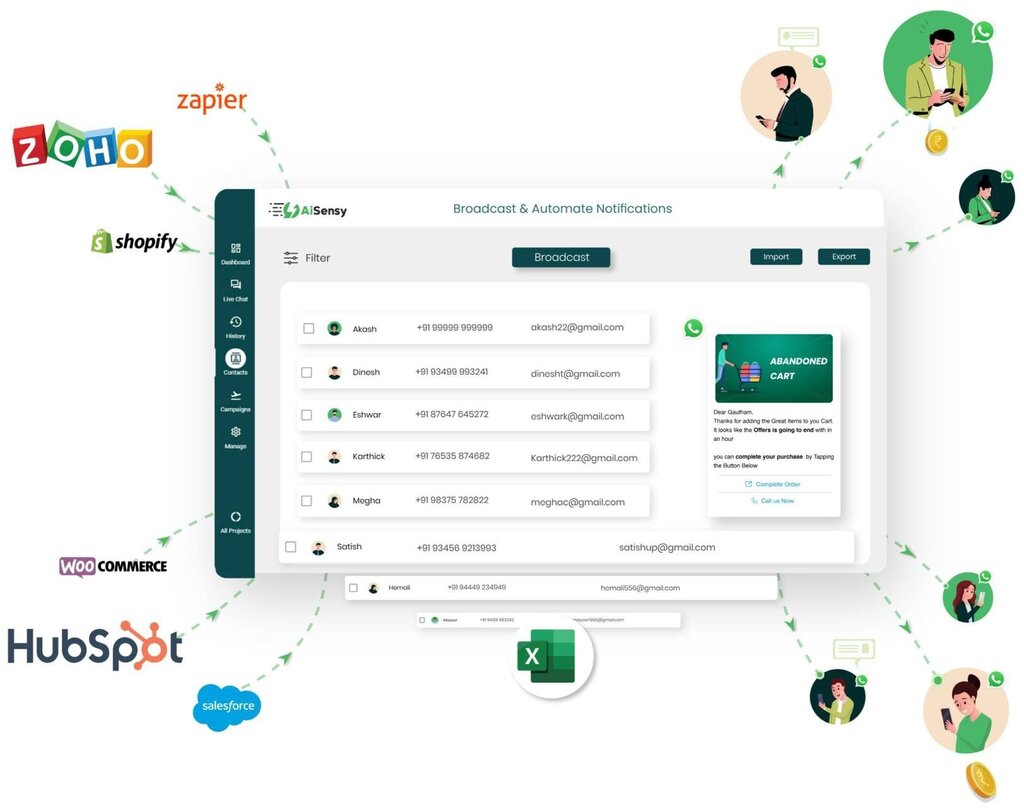
This automation frees up human support agents to focus on more complex or sensitive issues that require a personal touch. As a result, businesses can handle more customer inquiries efficiently, and shoppers get their questions answered faster.
Ready to check your understanding?
What is the main goal of using AI in e-commerce, according to the text?
How does an AI system typically decide which products to show in a "Recommended for You" section?
By personalizing recommendations, adapting prices, and providing instant support, AI is not just a background tool but a core part of the modern online shopping experience.