AI Prompting for Absolute Beginners
Introduction to AI Prompting
Giving AI Directions
Interacting with an artificial intelligence model is like having a conversation. You start by giving it an instruction or asking a question. This input is called a prompt.
A prompt is simply the text you provide to an AI to get it to do something.
Think of it like giving directions to a very literal-minded assistant. If you say, "Tell me about dogs," the AI has a huge range of possible answers. It might talk about dog breeds, the history of dog domestication, or how to care for a pet. The response could be a single sentence or ten pages long.
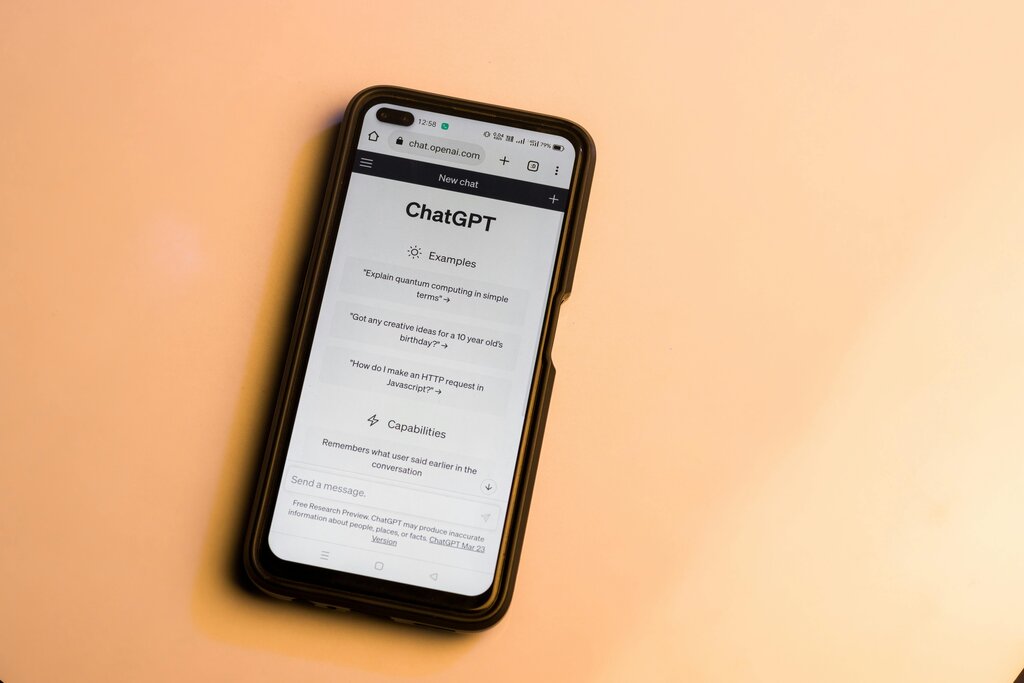
This is because the AI doesn't "understand" your request in the way a human does. It's a complex system trained on vast amounts of text from the internet, books, and other sources. When it receives a prompt, it analyzes the patterns in your words and predicts what a plausible and helpful response would look like based on everything it has learned.
Better Input, Better Output
The quality of the AI's response is directly tied to the quality of your prompt. Vague prompts lead to generic, often unhelpful answers. Specific, detailed prompts produce specific, useful results. This is the single most important concept in getting AI to work for you.
The key to effective AI use is in your prompts – the instructions you give the AI.
Let’s revisit our dog example. Instead of a broad prompt, imagine you wrote this instead:
"Write a 100-word summary for a fifth-grader about why golden retrievers are popular family pets. Focus on their temperament and exercise needs."
This prompt is much more effective. It tells the AI:
- The topic: Golden retrievers as family pets.
- The audience: A fifth-grader.
- The format: A 100-word summary.
- The key points: Temperament and exercise needs.
With these clear instructions, the AI has a much better roadmap. It can ignore irrelevant information (like the breed's history or grooming tips) and focus on generating a response that perfectly matches your request. The AI's job is to complete the pattern you've started, and a detailed prompt gives it a much clearer pattern to follow.
How Models Respond
AI models, often called Large Language Models (LLMs), are built on structures called neural networks. These are inspired by the human brain. They process your prompt by breaking it down into smaller pieces called tokens. A token is often a word or part of a word.
The model then calculates probabilities to predict the next most likely token, and the token after that, and so on, building the response one piece at a time. It's a sophisticated process of pattern completion. This is why a prompt isn't just a question; it's the starting point of a pattern that the AI is designed to continue.
By learning to write clear and specific prompts, you are essentially learning how to communicate effectively with these powerful systems. You are providing a better starting pattern, which allows the AI to generate a more accurate and relevant completion.
What is a "prompt" in the context of interacting with an AI model?
Why is a vague prompt like "Tell me about cars" likely to produce a less useful response than a more specific one?
Mastering this skill is the first step toward unlocking the full potential of AI.