AI Prompt Engineering Essentials
Introduction to Prompt Engineering
The Art of Asking
Talking to an AI is a bit like ordering a coffee. If you just say, “Give me coffee,” you might get a plain black drip, an espresso, or a cold brew. But if you say, “I’d like a medium iced latte with oat milk and one pump of vanilla,” you’ll get exactly what you want. The more specific your instructions, the better the result.
This is the core idea behind prompt engineering.
Prompt engineering is the practice of crafting a prompt for generative AI that produces a quality response.
A prompt is simply the instruction you give to an AI model. It can be a question, a command, or even just a few words to start a conversation. Engineering that prompt means carefully designing it to guide the AI toward the specific output you're looking for. It's the skill of communicating effectively with artificial intelligence.
From Simple Commands to Complex Conversations
Prompt engineering wasn't always so important. Early AI systems responded to very basic, rigid commands. Think of a voice assistant that can only understand specific phrases like "What's the weather?" or "Set a timer for five minutes."
But with the rise of large language models (LLMs) like those that power ChatGPT, AI became much more flexible. These models are trained on vast amounts of text from the internet, allowing them to understand nuance, context, and complex requests. They can write essays, generate code, and even create poetry.
This new power created a new challenge: how do you reliably get the best possible output from such a capable system? The answer was better prompting.
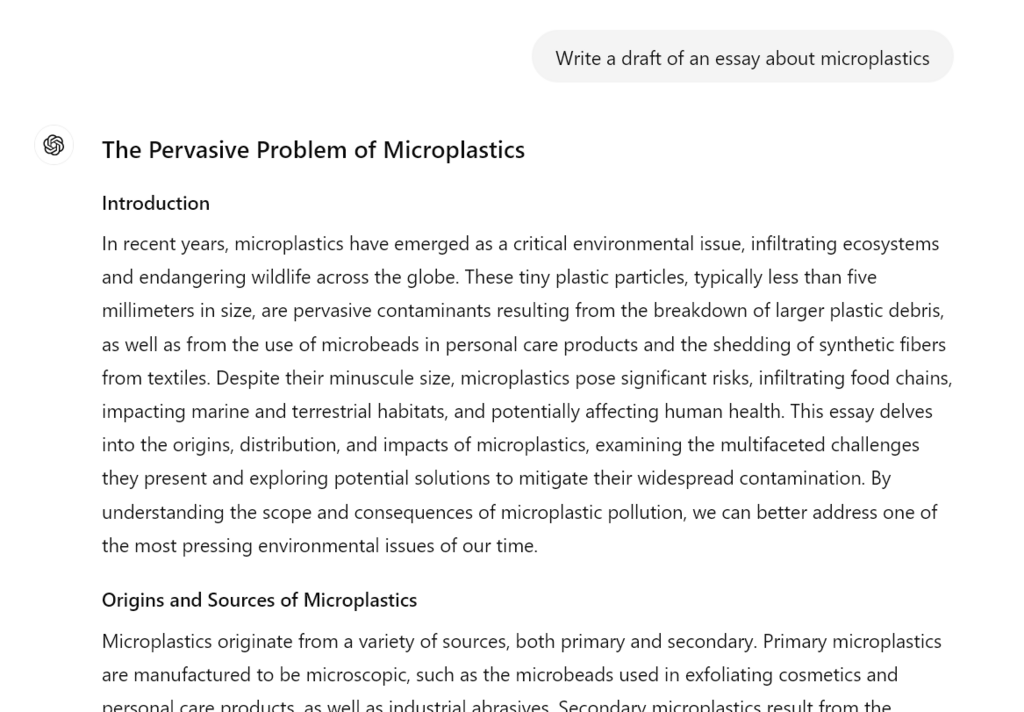
People quickly learned that a simple request often produced a generic answer. To get something truly useful, you had to provide more detail, set a specific tone, or give the AI a role to play. The field of prompt engineering emerged from this need to refine our communication with these powerful tools.
Where Prompting is Used
Prompt engineering isn't just for chatbots. It's a fundamental skill for anyone working with generative AI, and its applications span many industries.
| Field | Application of Prompt Engineering |
|---|---|
| Content Creation | Generating blog posts, marketing copy, and social media updates in a specific brand voice. |
| Software Development | Creating code snippets, debugging existing code, and translating code between languages. |
| Art & Design | Crafting detailed descriptions to generate specific images, logos, or visual concepts. |
| Education | Developing personalized learning materials, creating practice questions, and explaining complex topics simply. |
| Customer Service | Building AI agents that can understand and respond to customer queries accurately and empathetically. |
In each case, a well-crafted prompt is the difference between a generic, unhelpful output and a tailored, valuable result. As more businesses integrate AI into their workflows, the demand for people who can communicate effectively with these systems is growing rapidly.

This has led to the rise of the prompt engineer as a dedicated career path. These professionals specialize in understanding how AI models work and how to craft the optimal prompts to get the best performance. They might build libraries of effective prompts, train others on best practices, or work with development teams to improve the AI's responses.
But you don't need to be a full-time prompt engineer to benefit from these skills. Just like typing or using a spreadsheet, knowing how to prompt an AI is becoming a key part of digital literacy for everyone.
Ready to test your understanding of these core concepts?
What is the primary goal of prompt engineering?
Why did prompt engineering become more important with the rise of modern Large Language Models (LLMs)?
We've covered the what, why, and where of prompt engineering. By mastering this skill, you unlock the ability to collaborate with AI more effectively, turning it from a simple tool into a powerful partner.