AI Prompt Engineering Essentials
Introduction to AI Models
What Is an AI Model?
Think of an artificial intelligence (AI) model as a sophisticated pattern-finding machine. It's a complex computer program that has been trained on a massive amount of data to recognize relationships, make predictions, or generate new content. Instead of being explicitly programmed with rules for every possible situation, an AI model learns the rules on its own by analyzing examples.
There are many kinds of AI models, each designed for different tasks. Some are trained to recognize objects in images, while others might predict stock market trends. The type we're interested in is particularly good with words.
Enter the Large Language Model
A Large Language Model, or LLM, is a specific type of AI model that specializes in understanding and generating human language. Models like GPT-4 are LLMs. They are the engines that power chatbots and other text-based AI tools.
A large language model (LLM) is an AI model trained on massive amounts of text data that can understand and generate human-like text, recognize patterns in language, and perform a wide variety of language tasks without task-specific training.
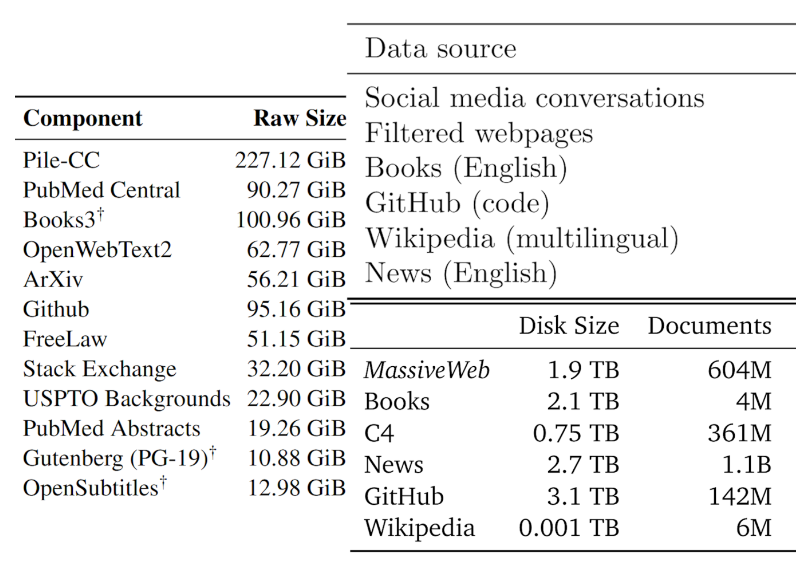
The "large" in their name refers to two things: the enormous amount of data they are trained on and the huge number of internal variables, or parameters, they use to make sense of that data. These parameters can number in the hundreds of billions, acting like interconnected knobs that are fine-tuned during the training process.
How LLMs Learn
The training process for an LLM is conceptually simple but massive in scale. The model is fed a colossal amount of text from the internet, books, articles, and other sources. Its fundamental task is to predict the next word in a sequence.
For example, if the model sees the phrase "The cat sat on the...", it tries to guess the next word. Initially, its guesses are random. But every time it guesses correctly ("mat"), its internal parameters are adjusted slightly to reinforce that connection. When it guesses incorrectly, it adjusts its parameters to make that mistake less likely in the future.
By repeating this process billions and billions of times, the LLM develops a complex, statistical understanding of how words, grammar, facts, and even reasoning styles fit together. It's not just memorizing sentences; it's learning the underlying patterns of human language.
Capabilities and Limitations
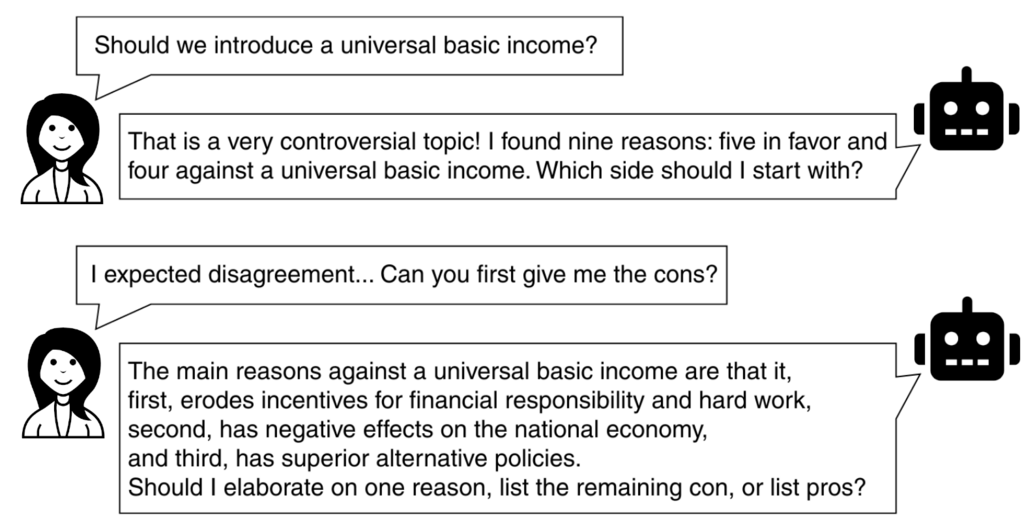
This training process gives LLMs a wide range of impressive capabilities. They can be used to summarize long documents, translate languages, write computer code, answer questions, and draft creative text like poems or scripts. Their strength is their versatility. Because they've learned the general patterns of language, they can apply that knowledge to many different tasks without needing specific training for each one.
However, LLMs have significant limitations. Their knowledge is frozen at the point their training data ends, so they are often unaware of recent events. More importantly, they don't truly understand content in the way a human does. They are probabilistic pattern-matchers.
This can lead to a phenomenon known as "hallucination," where the model generates text that is plausible-sounding but completely false or nonsensical. It's simply generating the sequence of words that seems statistically most likely, not checking facts. An LLM can confidently invent historical dates, scientific "facts," or summaries of articles that don't exist.
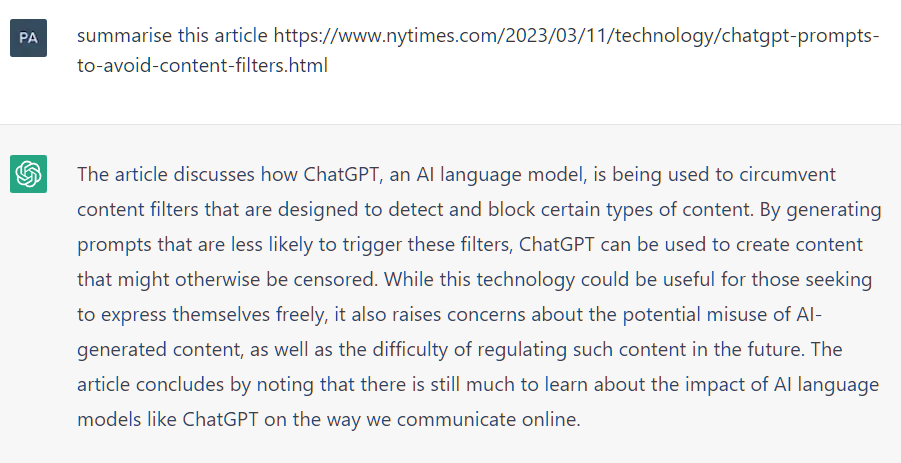
This is why understanding how these models work is so important for using them effectively. Knowing their strengths helps you leverage their power, while being aware of their weaknesses, like hallucination, is crucial for avoiding pitfalls. Your prompts guide the model's statistical guesswork, so a well-crafted prompt steers it toward a more accurate and useful pattern.
What is the primary way a Large Language Model (LLM) is trained?
The "large" in Large Language Model refers to the enormous amount of training data and the huge number of internal variables, or parameters.