AI Prompt Engineering Essentials
Introduction to AI and Prompt Engineering
What is AI, really?
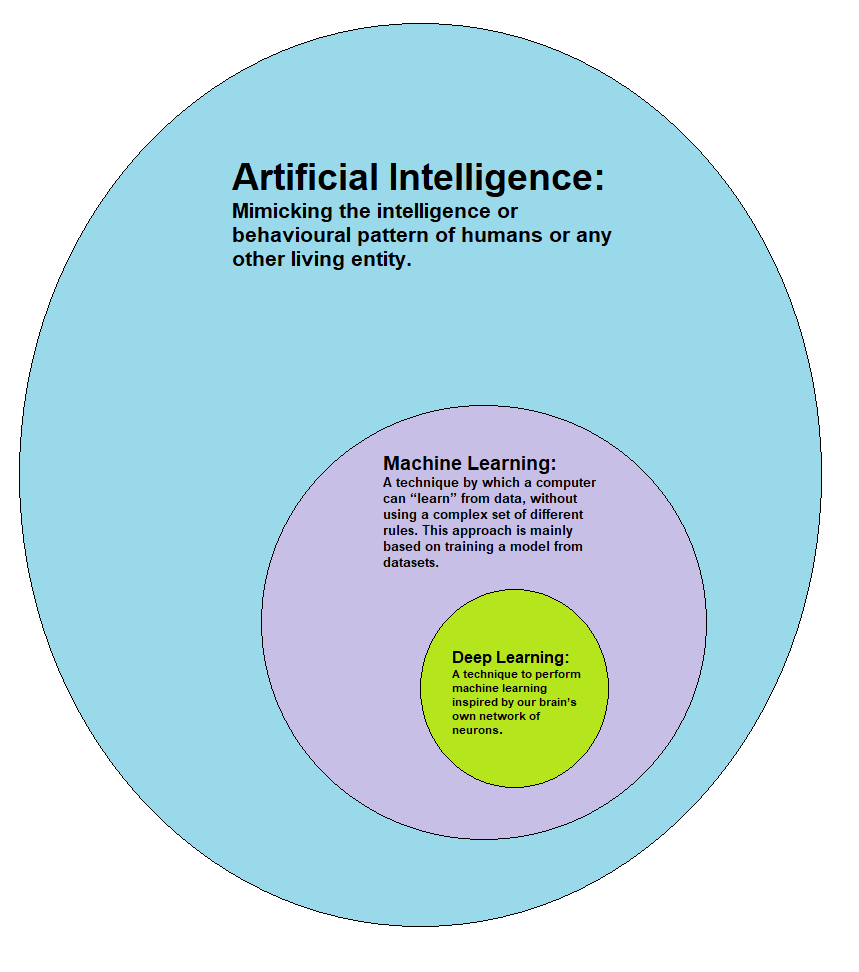
Artificial intelligence is about teaching computers to perform tasks that normally require human intelligence. This can be anything from recognizing a face in a photo to understanding language or driving a car.
Think of it this way: when you learn to ride a bike, you're not given a perfect physics equation for balance. You learn through trial and error. AI often learns in a similar way, by processing vast amounts of data to recognize patterns and make decisions.
Most AI you encounter today is what's called Artificial Narrow Intelligence (ANI). It's designed for a specific task. The AI that suggests your next song, forecasts the weather, or filters spam emails is a form of ANI. It’s very good at its one job, but it can't suddenly decide to write a poem. The more futuristic concept of an AI that can perform any intellectual task a human can is called Artificial General Intelligence (AGI), which remains largely theoretical.
Talking to computers
A specific type of AI has become incredibly popular: the Large Language Model, or LLM. These are the systems behind chatbots and other tools that can write, summarize, and translate text. They are trained on a massive library of books, articles, and websites, which allows them to understand language and generate human-like responses.
Large Language Model
noun
A type of artificial intelligence that has been trained on vast amounts of text data to understand and generate human language.
But an LLM doesn't "think" or "understand" in the way a human does. Instead, it's a master of probability, constantly predicting the next most likely word in a sentence based on the patterns it learned during its training. The quality of its prediction depends entirely on the instructions it receives. This is where you come in.
The art of the prompt
The instruction you give to an AI is called a prompt. The skill of crafting effective prompts is known as prompt engineering.
Prompt engineering is the art of asking good questions to get accurate responses from AI.
Imagine you're asking a friend to draw something for you. If you just say, "draw an animal," you might get a cat, a dog, or a goldfish. The result is unpredictable. But if you say, "draw a happy, fluffy golden retriever puppy sitting in a green field with a red ball," you will get something much closer to what you envisioned.
Prompt engineering works the same way. A vague prompt leads to a generic or unhelpful response. A clear, specific, and detailed prompt guides the AI to produce a much better output.
A good prompt often includes these elements:
- Role: Who should the AI be? (e.g., "Act as a friendly tour guide.")
- Task: What should the AI do? (e.g., "Write an email...")
- Context: What background information does the AI need? (e.g., "...to my team about the upcoming project deadline.")
- Format: How should the output be structured? (e.g., "Use bullet points for the key dates.")
Getting good at this skill is about learning how to communicate your intent clearly and precisely to a machine. It's less about knowing code and more about being a clear communicator.
What is the primary goal of Artificial Intelligence?
The AI that suggests the next song in your music app is an example of: