AI Programming Essentials
Introduction to AI
What Is Artificial Intelligence?
At its core, artificial intelligence is about creating computer systems that can perform tasks that usually require human intelligence. This includes things like learning from experience, solving tricky problems, understanding language, and recognizing objects in the world around us. Instead of being explicitly programmed for every single step, an AI system is designed to think and adapt on its own.
This introduction to this special issue discusses artificial intelligence (AI), commonly defined as “a system’s ability to interpret external data correctly, to learn from such data, and to use those learnings to achieve specific goals and tasks through flexible adaptation.”
Think about how you learn. You observe, you try things, you make mistakes, and you get better over time. AI aims to replicate this process in a machine. It's not about creating a conscious robot like in the movies; it's about building tools that can analyze information and make smart decisions to achieve a specific goal.
A Brief History
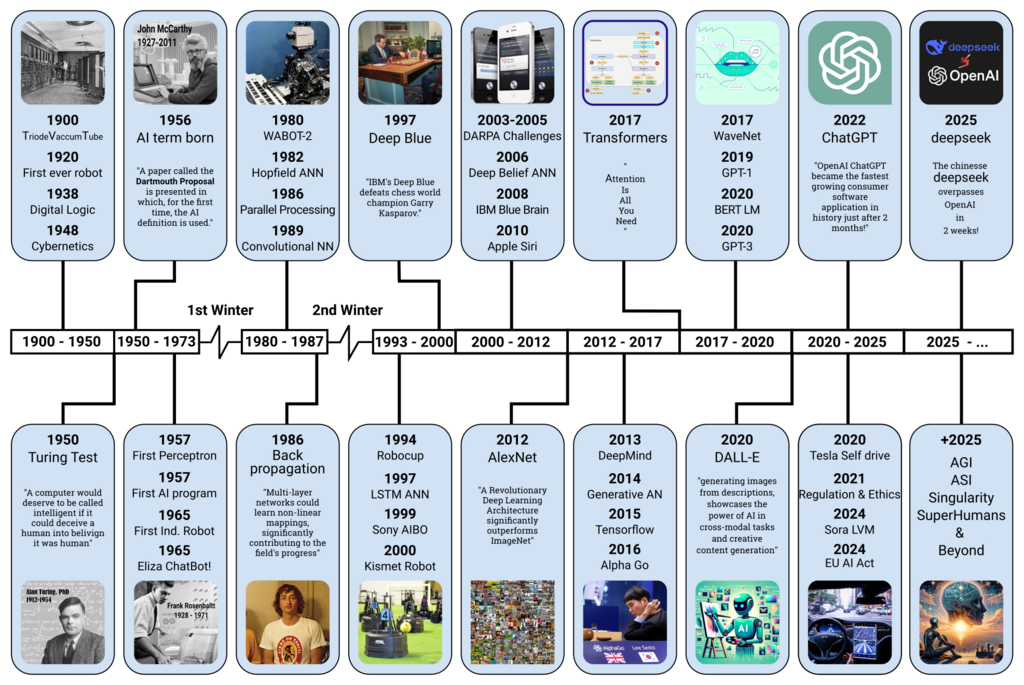
The idea of artificial minds isn't new. It has roots in ancient myths and centuries of philosophical debate. But the actual scientific field of AI kicked off in the mid-20th century, with the invention of the modern computer.
Early pioneers were incredibly optimistic, believing that a machine with human-level intelligence was just a few decades away. The journey turned out to be much harder. The field went through periods of intense excitement and funding, followed by “AI winters” where progress stalled and interest faded. But with the recent explosion in computing power and the availability of massive amounts of data, AI has roared back to life, achieving things that were once considered science fiction.
The Flavors of AI
AI isn't a single thing. It’s a broad field with many specialized branches, or subfields. Three of the most important ones are Machine Learning, Natural Language Processing, and Computer Vision.
Machine Learning (ML) is the engine behind much of modern AI. Instead of being programmed with rules, an ML system learns patterns directly from data. It's how your email filters out spam and how streaming services recommend your next favorite show.
Natural Language Processing (NLP) focuses on the interaction between computers and human language. When you talk to a voice assistant, use a translation app, or see a chatbot pop up on a website, you're interacting with NLP. It gives machines the ability to read, understand, and generate human language.
Computer Vision is the subfield that allows AI to see and interpret the visual world. From unlocking your phone with your face to self-driving cars navigating roads, computer vision systems analyze images and videos to identify objects and understand what's happening.
AI in the Real World
Artificial intelligence has moved from research labs into our daily lives. Its applications are everywhere, transforming entire industries.
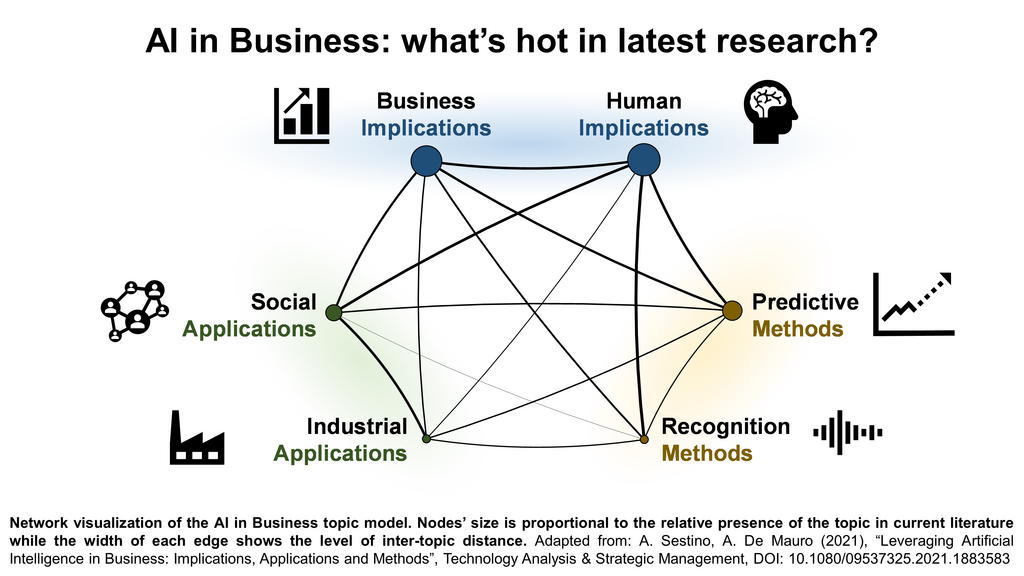
In healthcare, AI helps doctors diagnose diseases earlier and more accurately by analyzing medical images like X-rays and MRIs. In finance, it detects fraudulent transactions in real-time and helps manage investments. Retail companies use AI to manage their inventory and personalize shopping experiences for customers.
Even in creative fields, AI is making an impact. It helps generate music, write articles, and create stunning visual art. Farmers use AI-powered drones to monitor crop health, and logistics companies use it to optimize delivery routes, saving fuel and time. The list of applications grows every day.
This is just the beginning. Understanding these fundamental concepts is the first step toward grasping the power and potential of AI.