AI Product Management Essentials
Product Management Basics
The Heart of the Product
Every product you use, from your smartphone to your favorite app, has a story. It started as an idea, was built by a team, and eventually made its way to you. Guiding that entire journey is the practice of product management.
Product management is the process of guiding a product from concept to market success.
Think of a product manager as the conductor of an orchestra. The engineers are the violinists, the designers are the cellists, and the marketers are the percussionists. Each is a master of their craft. The product manager doesn't play every instrument, but they unite everyone to create a single, beautiful symphony: a successful product.
Product Manager
noun
A professional responsible for the strategy, planning, execution, and launch of a product.
They are the central point of contact, ensuring the product not only gets built but also solves a real problem for users and meets the company's goals. They are the ultimate owner of the product's success or failure.
A Product's Journey
Products, like people, have a life cycle. They are born from an idea, grow and mature in the market, and eventually may be retired. Understanding this lifecycle is key to managing a product effectively. While models vary, the journey generally follows a few key stages.
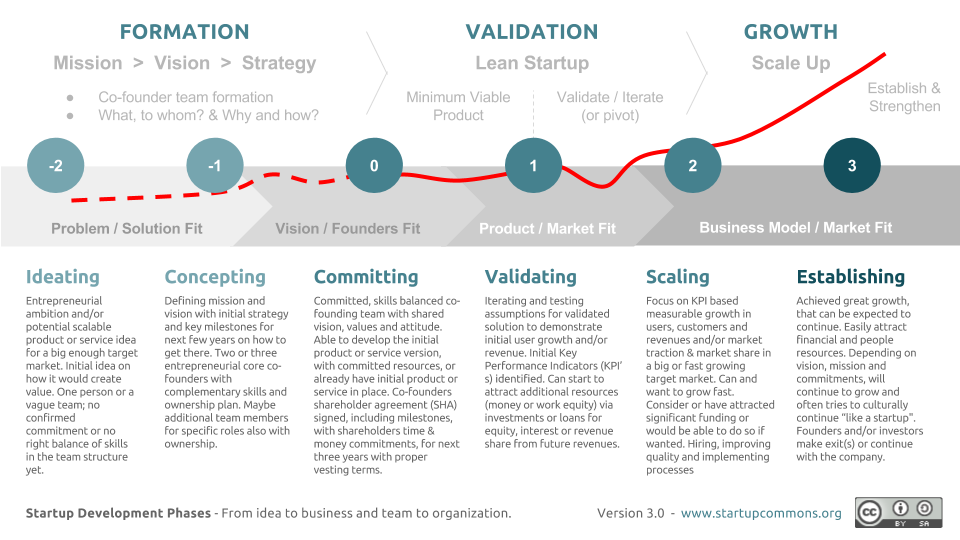
1. Ideation & Concepting: This is the beginning. It starts with a problem or an opportunity. The team brainstorms solutions, vets ideas, and decides if there's a viable path forward.
2. Development & Validation: Once an idea is chosen, the work begins. The team defines what the product will do, designs the user experience, and engineers build it. This stage involves creating prototypes and testing them with real users to validate that the product is on the right track.
3. Launch: The product is released to the public. This phase is all about marketing, sales, and gathering initial feedback from a wider audience.
4. Growth & Maturity: If the launch is successful, the user base grows. The focus shifts to scaling the product, adding new features, improving performance, and staying ahead of the competition.
5. Decline or Reinvention: Eventually, a product might become outdated or less relevant. At this point, a decision is made: retire the product, or reinvent it for a new purpose or audience.
Core Responsibilities
A product manager's role is dynamic, but a few core responsibilities anchor their work throughout the product lifecycle.
Great product management starts by deeply understanding and validating a user or business problem, not by looking for a problem to fit a cool technology.
Market Research Before a single line of code is written, a product manager must understand the landscape. This involves studying the competition, identifying market trends, and figuring out who the potential customers are. Techniques include surveys, customer interviews, focus groups, and analyzing data from existing products. The goal is to find a unique space where the product can win.
Understanding User Needs This goes deeper than market research. It’s about empathy. A product manager must become the voice of the user. They spend time talking to customers to understand their frustrations, goals, and daily routines. What problem are they really trying to solve? The answer to this question becomes the guiding star for the entire product.
Defining Requirements After research and user interviews, the product manager translates all that learning into a concrete plan. They write “product requirements,” which are clear instructions for the design and engineering teams. These aren't just a list of features. They explain the why behind each part of the product, ensuring that what's built truly serves the user’s needs.
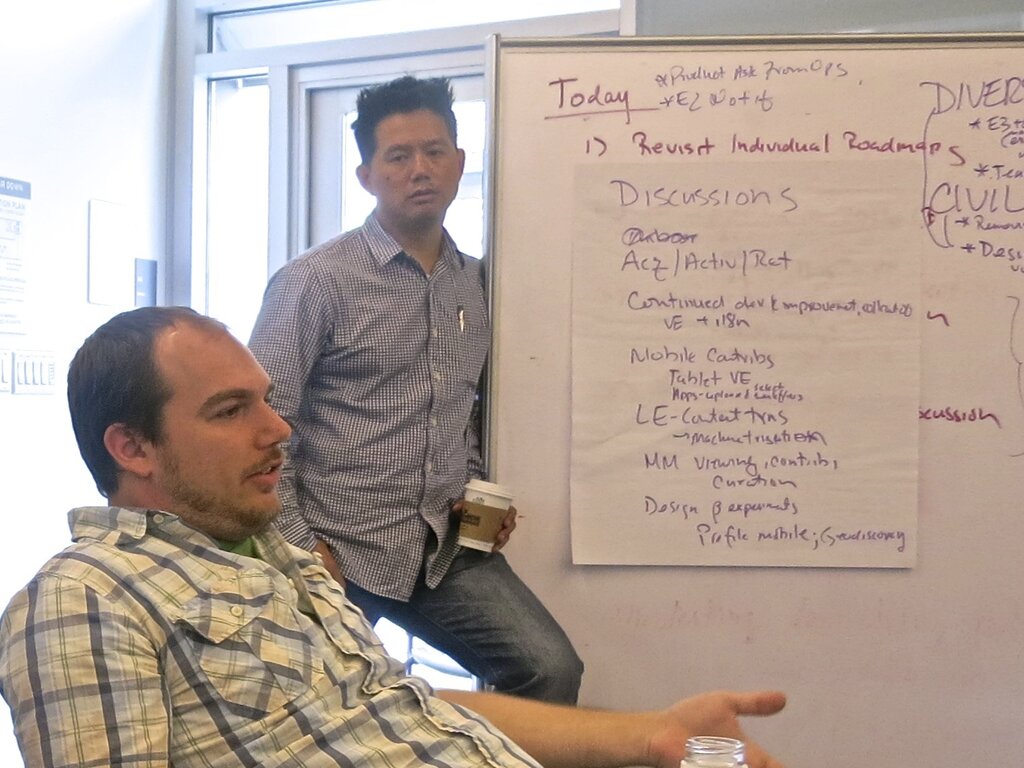
Collaborating with Teams A product manager is rarely an expert in design, engineering, or marketing. Their expertise lies in communication and collaboration. They work daily with:
- Engineers to discuss technical feasibility and timelines.
- Designers to create a user-friendly and intuitive experience.
- Marketers to craft the story and go-to-market strategy.
- Leadership to ensure the product aligns with business goals. This constant communication keeps everyone aligned and moving in the same direction.
Now, let's test your understanding of these core concepts.
Using the orchestra analogy from the text, what is the primary role of a product manager?
During which stage of the product lifecycle are prototypes built and tested with real users to ensure the product is on the right track?
By balancing user needs, business goals, and technical constraints, product managers play a vital role in creating the products we rely on every day.