AI Powering Modern Marketing
Introduction to AI
What Is Artificial Intelligence?
Artificial intelligence is about creating machines or computer systems that can perform tasks that typically require human intelligence. This includes things like learning from experience, understanding language, recognizing objects, and solving problems.
Artificial Intelligence
noun
A field of computer science dedicated to creating systems capable of performing tasks that normally require human intelligence, such as visual perception, speech recognition, decision-making, and translation between languages.
The idea isn't new. The dream of intelligent machines has been around for centuries, but the actual field of AI research began in the 1950s. Early researchers were optimistic, believing they could create human-like intelligence in just a few decades. The reality has been more complex, with periods of rapid progress followed by lulls known as "AI winters."
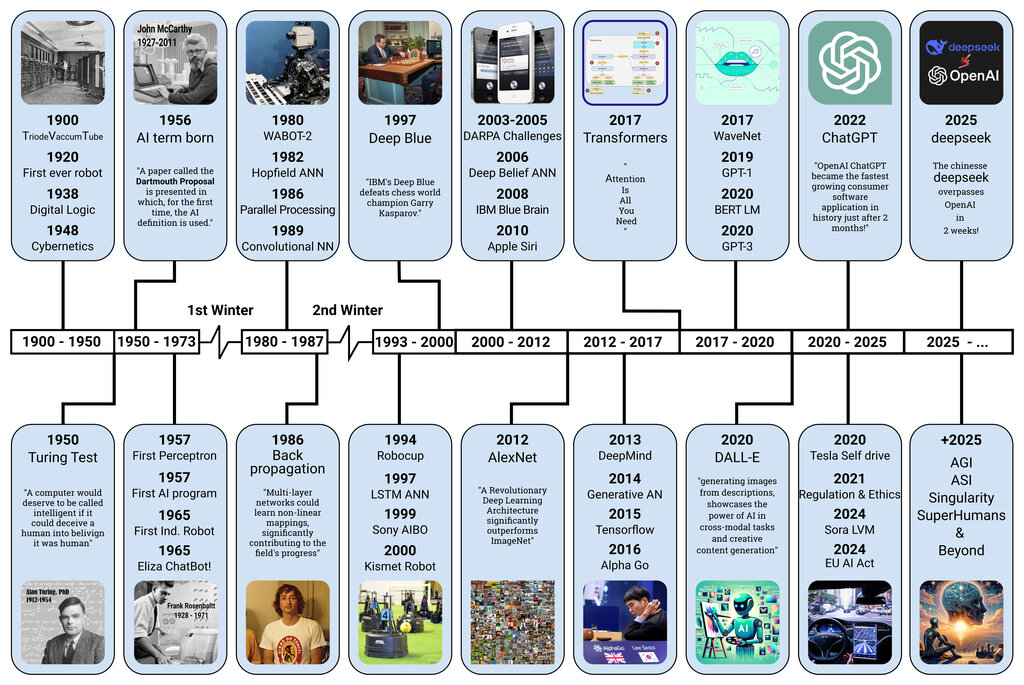
Today, we're in a period of incredible growth, largely thanks to two things: massive amounts of data and powerful computers. These have allowed new techniques to flourish, pushing AI into our daily lives, from the recommendation algorithms on streaming services to the navigation apps on our phones.
Two Kinds of AI
When people talk about AI, they are usually referring to one of two very different concepts: narrow AI or general AI. The distinction is crucial.
All the AI we use today is narrow AI. It's designed for a specific task and can't operate outside of that specialty.
A self-driving car is a great example of narrow AI. It's brilliant at navigating roads, but you can't ask it to write a poem or diagnose a medical condition. It has one job. General AI, on the other hand, is the stuff of science fiction, at least for now. It refers to a machine with the ability to understand, learn, and apply knowledge across a wide range of tasks, much like a human.
| Feature | Narrow AI (ANI) | General AI (AGI) |
|---|---|---|
| Scope | Performs a single, specific task | Can perform any intellectual task a human can |
| Example | Spam filters, image recognition, chess bots | Fictional characters like HAL 9000 or Data |
| Status | Exists today | Theoretical, does not yet exist |
Core AI Technologies
Under the umbrella of AI, there are several key technologies that power its most impressive abilities. Let's look at three of the most important ones.
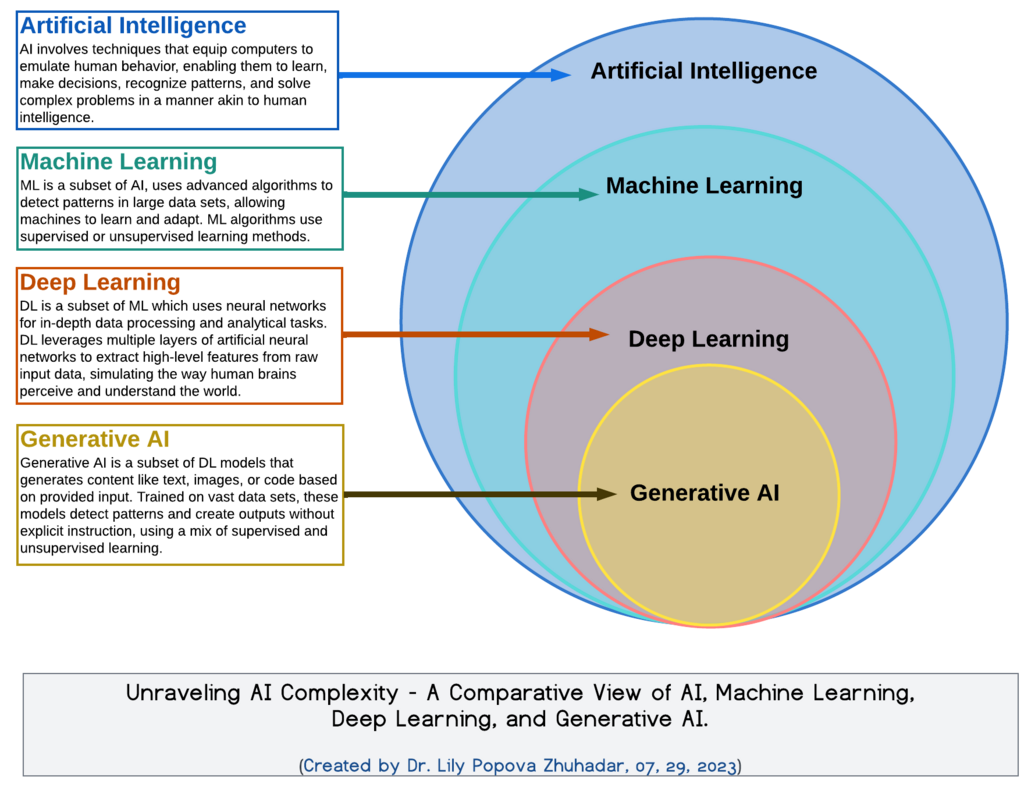
Machine Learning (ML) This is a subset of AI focused on the idea that we can give computer systems access to data and let them learn for themselves. Instead of programming a computer with explicit rules for how to perform a task, machine learning algorithms use data to build a model that can make predictions or decisions. For example, an ML model can learn to identify pictures of cats by being shown thousands of cat photos, rather than by being programmed with rules about what a cat looks like (e.g., "has pointy ears," "has whiskers").
Natural Language Processing (NLP) NLP is all about giving computers the ability to understand, interpret, and generate human language. It's the technology behind virtual assistants like Siri and Alexa, chatbot customer service, and real-time language translation. NLP bridges the gap between human communication and computer understanding.
Computer Vision This field trains computers to interpret and understand the visual world. Using digital images from cameras and videos, machines can identify and classify objects, and then react to what they "see." Computer vision powers everything from facial recognition on your phone to the systems that allow autonomous vehicles to perceive their surroundings.
Think of it this way: Machine Learning is the engine of learning, NLP is the ability to communicate, and Computer Vision is the ability to see.
These core technologies often work together. A self-driving car, for example, uses computer vision to see obstacles, machine learning to predict their movement, and NLP to understand voice commands from the driver.
Ready to check your understanding? Let's see what you've learned.
What is the primary goal of Artificial Intelligence?
The technology that enables virtual assistants like Siri and Alexa to understand and respond to your spoken questions is known as:
Understanding these foundational concepts is the first step. With this groundwork, you can begin to see how these powerful tools are applied in nearly every industry.