AI Powered Workflows
Understanding AI Basics
What Is AI Anyway?
Artificial intelligence is about making computers smart. The goal is to create systems that can perform tasks that normally require human intelligence, like learning, reasoning, and solving problems. It’s not about creating conscious robots from science fiction, but about building tools that can understand patterns, make decisions, and process information in sophisticated ways.
Artificial Intelligence
noun
A field of computer science dedicated to creating systems capable of performing tasks that typically require human intelligence.
The idea of intelligent machines has been around for centuries, but the actual field of AI research began in the 1950s. Early researchers were optimistic, believing they could create human-level intelligence within a few decades. Progress was slower than expected, leading to periods of reduced funding and interest known as "AI winters." However, breakthroughs in computing power and the availability of massive datasets have since fueled a resurgence, leading to the powerful AI tools we see today.

The AI Family
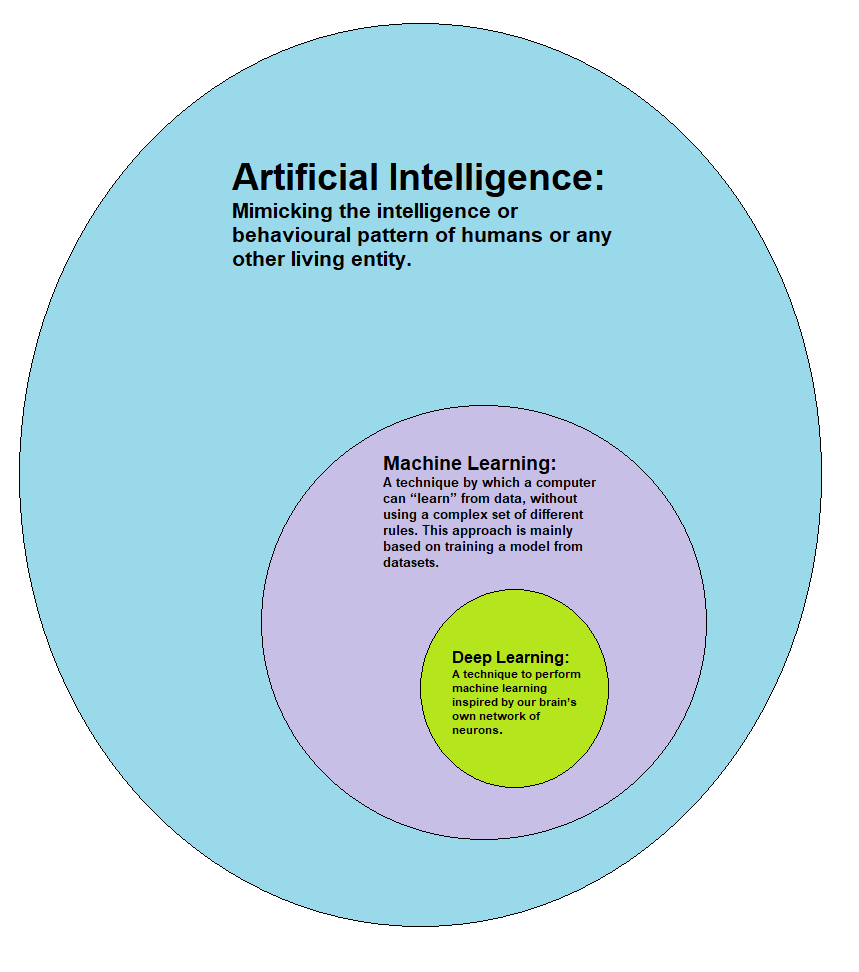
AI isn't a single technology; it's a broad field with many branches. Three of the most important subfields are machine learning, deep learning, and natural language processing.
Think of AI as the entire universe of intelligent machines. Machine learning and deep learning are specific star systems within that universe.
Machine Learning (ML) is a type of AI where systems learn from data. Instead of being explicitly programmed with rules for a task, an ML model is trained on a large dataset. It identifies patterns and makes predictions based on what it has learned. For example, you can train a model on thousands of cat photos, and it will eventually learn to identify a cat in a new picture it has never seen before.
Deep Learning (DL) is a more advanced subset of machine learning. It uses structures called neural networks, which are loosely inspired by the human brain. These networks have many layers, allowing them to learn complex patterns from vast amounts of data. Deep learning is the technology behind many of today's most impressive AI feats, like realistic image generation and sophisticated voice assistants.
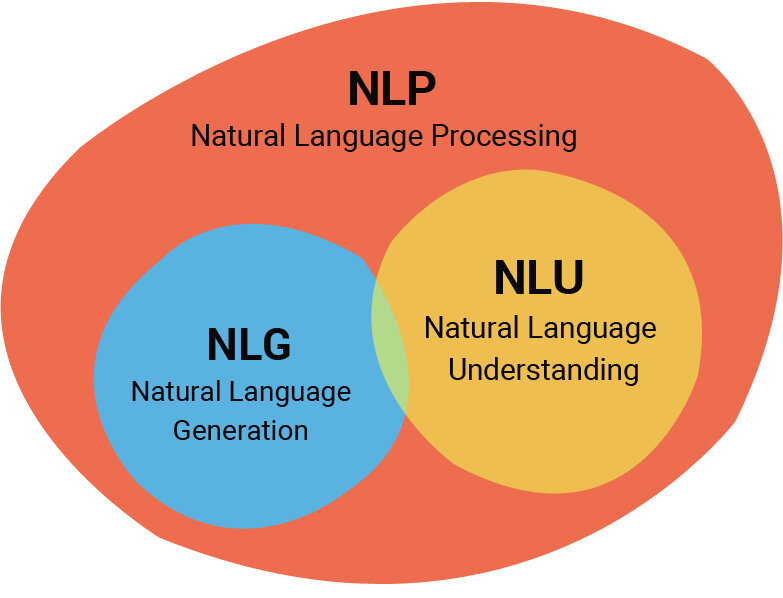
Natural Language Processing (NLP) is the branch of AI focused on the interaction between computers and human language. It's how a machine can read, understand, interpret, and generate text. When you use a translation app, ask a virtual assistant a question, or see a chatbot respond to your query, you're interacting with NLP.
AI in the Real World
AI is already integrated into many parts of our daily lives and various industries. It's not just about futuristic robots; it's about practical tools that solve real problems.
In healthcare, AI helps doctors diagnose diseases earlier and more accurately by analyzing medical images like X-rays and MRIs. It can also personalize treatment plans based on a patient's genetic makeup and lifestyle.
In finance, AI algorithms detect fraudulent transactions in real-time, saving consumers and banks billions of dollars. They also power high-frequency trading and robo-advisors that manage investment portfolios.
In entertainment, AI is behind the recommendation engines on streaming services like Netflix and Spotify. It analyzes your viewing and listening habits to suggest new movies, shows, and music you might like. It's also used in video games to create intelligent, responsive non-player characters.
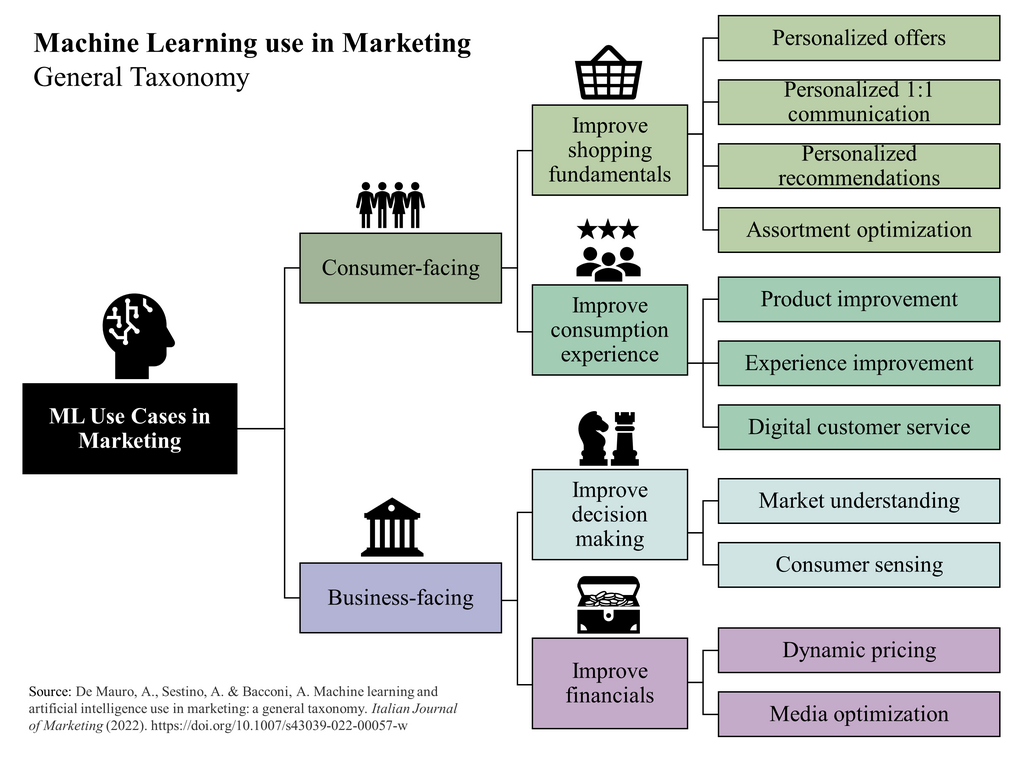
And in retail and marketing, AI helps businesses understand customer behavior, manage inventory, and create personalized shopping experiences.
This is just the beginning. As technology advances, AI will continue to find new applications, changing the way we work, live, and interact with the world around us. Now let's test your knowledge of these core concepts.
What is the primary goal of Artificial Intelligence?
Which subfield of AI is a more advanced subset of machine learning that uses multi-layered neural networks inspired by the human brain?