AI-Powered VR World Creation and Deployment
Introduction to Virtual Reality
Stepping Into Another World
Virtual reality, or VR, is a technology that replaces your real-world surroundings with a simulated, three-dimensional environment. By wearing a special headset, you can step into a computer-generated world that you can look around in, move through, and interact with. It's the difference between watching a movie about the ocean and feeling like you're actually swimming among the coral reefs.
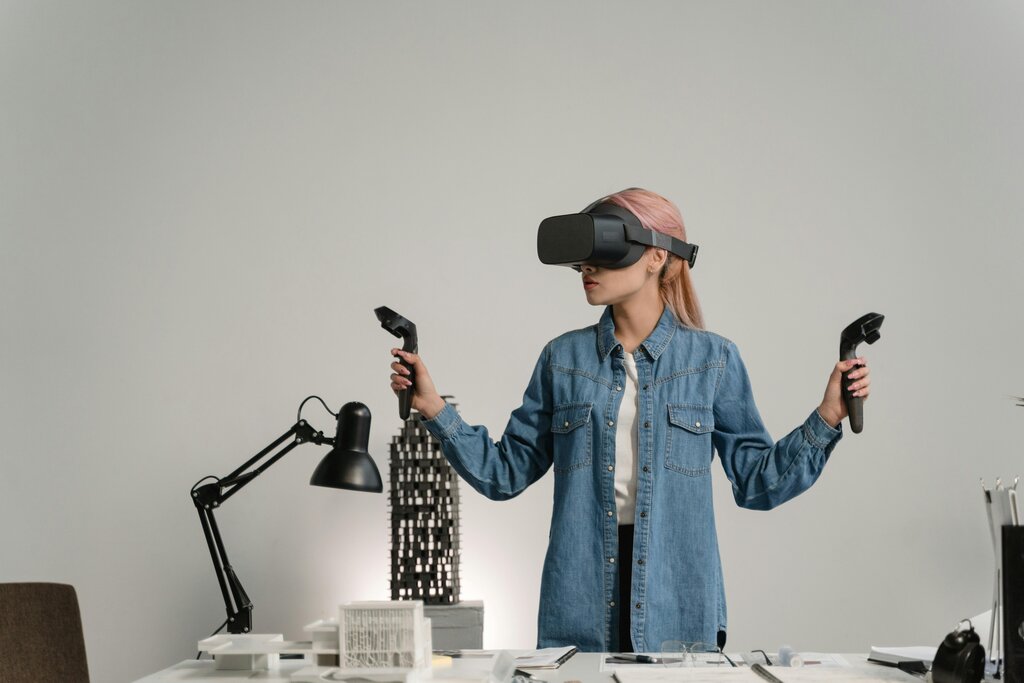
The magic of VR relies on two key principles: immersion and presence. Immersion is the feeling of being completely absorbed in the virtual world, where the technology blocks out real-world distractions. Presence is the powerful sensation that you are actually there in that simulated space. When done right, your brain starts to believe the virtual world is real, allowing you to react and engage naturally.
Presence
noun
The psychological state of feeling physically present within a virtual environment.
A Quick Trip Through Time
The idea of immersive experiences isn't new. People have been fascinated by the concept for over a century, from 360-degree paintings to early flight simulators. However, the technology to create convincing digital worlds only began to take shape in the latter half of the 20th century. Early VR systems were bulky, expensive, and limited to research labs and high-end arcades.
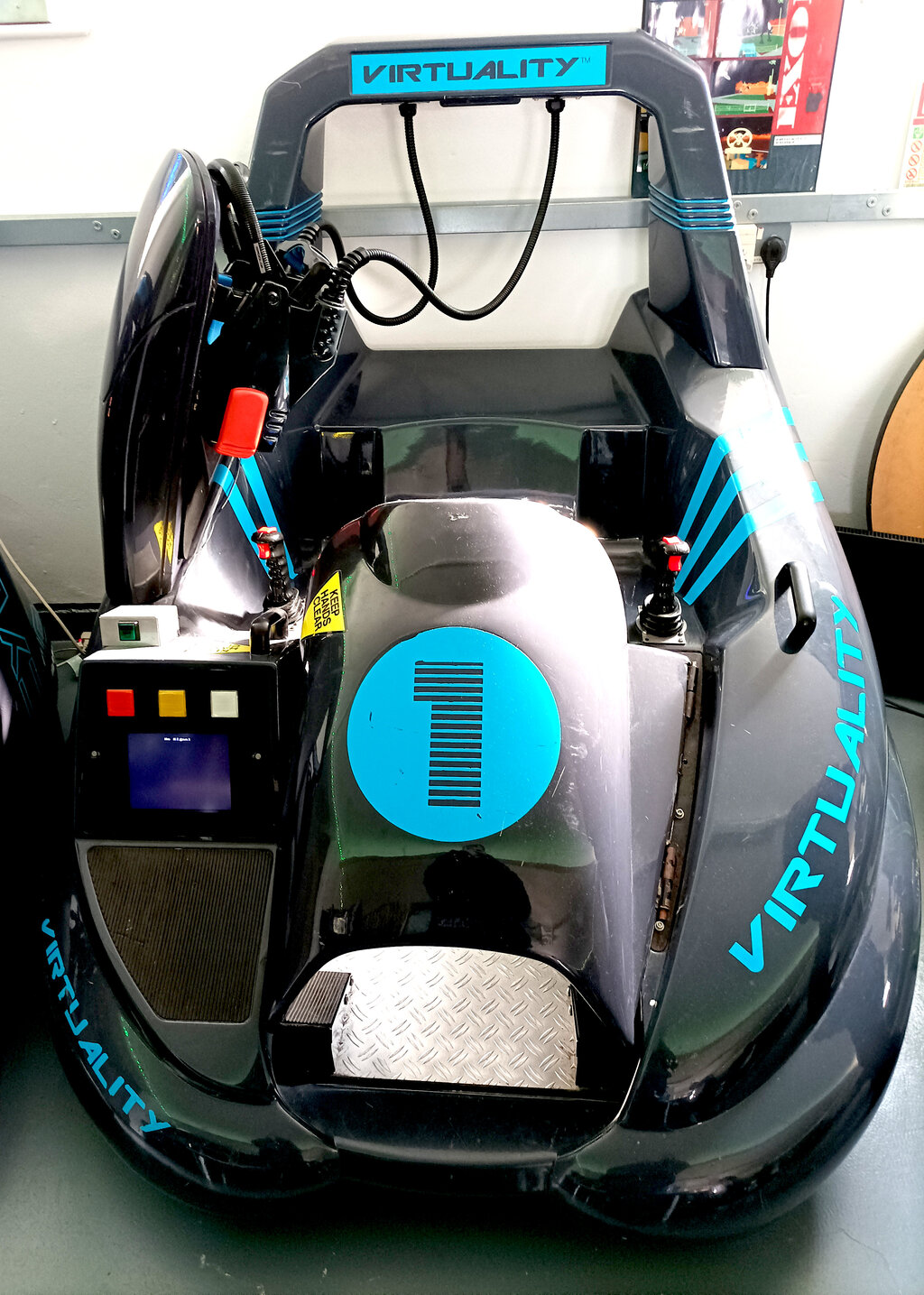
For decades, VR remained a niche technology. But with recent advances in display quality, processing power, and motion tracking, high-quality VR has finally become accessible. The devices we have today are the result of years of experimentation and refinement, finally delivering on the long-held promise of stepping inside a machine.
The Building Blocks of VR
A modern VR experience is a symphony of hardware and software working together. Let's break down the key components.
On the hardware side, you have three main pieces:
Headsets: Also called head-mounted displays (HMDs), these put a screen right in front of your eyes, creating a stereoscopic 3D image. They also contain motion sensors that track your head movements, so when you look up, down, or around, your view in the virtual world changes accordingly.
Controllers: These are your hands in the virtual world. Handheld controllers let you pick up objects, press buttons, and interact with the environment. They are also tracked in 3D space, mirroring your real-life hand movements.
Sensors: To create a convincing sense of presence, the system needs to know where you are. Tracking systems use cameras or lasers, either on the headset or placed around the room, to monitor your position and movement. This allows you to walk, duck, and move around the virtual space.
The hardware is only half the story. The virtual worlds themselves are built using powerful software. Game engines like Unity and Unreal Engine are the most common development environments for creating VR applications. They provide the tools for building 3D models, creating realistic lighting, and programming interactions. Once built, these experiences are delivered through software platforms like SteamVR or the Meta Quest Store, which act as app stores for virtual reality.
Beyond Gaming
While gaming is what most people associate with VR, its applications extend far beyond entertainment. Industries are adopting VR for practical, powerful purposes.
| Industry | Application |
|---|---|
| Healthcare | Surgical training, therapy for PTSD and phobias, pain management. |
| Education | Immersive field trips to historical sites, complex science simulations. |
| Engineering | Collaborative design reviews of 3D models, architectural walkthroughs. |
| Training | Realistic simulations for pilots, soldiers, and heavy machinery operators. |
VR provides a unique ability to practice complex skills in a safe, controlled, and repeatable environment. It allows professionals to visualize data, collaborate from anywhere in the world, and experience scenarios that would be too dangerous or expensive to replicate in real life.
VR allows users to gain hands-on experience in a safe space, as studies have shown that the brain perceives VR experiences the same way as real-world ones.
This foundational understanding of VR's what, why, and how is the first step. It sets the stage for exploring how we can build these immersive worlds more efficiently and creatively.
Time for a quick check-in on what we've covered.
In the context of virtual reality, what is the key difference between “immersion” and “presence”?
True or False: The fundamental idea of creating immersive, simulated experiences is a very recent concept, emerging only in the last two decades with modern VR headsets.
Now you have a solid grasp of what virtual reality is and the technology that makes it possible.