AI-Powered SEO Strategies
Introduction to AI in SEO
A New Era for SEO
For years, Search Engine Optimization (SEO) was like a game of checkers. Website owners would stuff their pages with keywords, build as many links as possible, and try to outsmart a relatively simple system. If you wanted to rank for “best running shoes,” you’d repeat that phrase over and over. It was a straightforward, if tedious, process.
But search engines grew up. They evolved from simple indexers into complex systems that aim to understand what we mean, not just what we type. This shift was necessary because humans don't search in keywords; we ask questions and look for real answers. The old tricks stopped working as algorithms became more sophisticated.
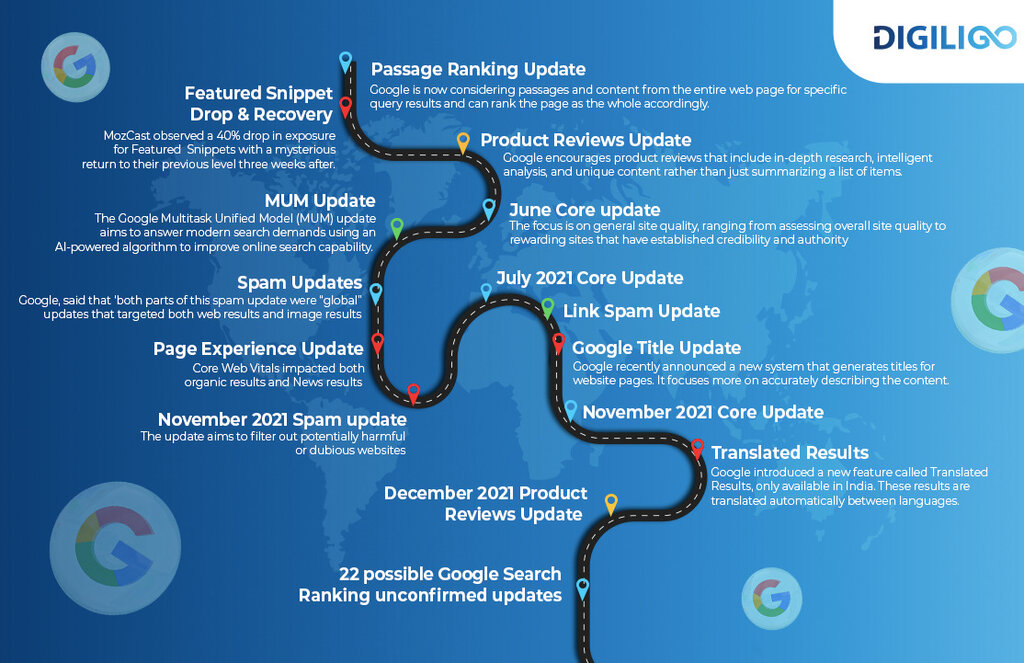
The driving force behind this evolution is Artificial Intelligence (AI). AI allows search engines to process language, interpret context, and deliver results that truly match a user's intent. It’s no longer about matching keywords; it’s about providing the most helpful and relevant information, whether it's a webpage, a video, or a direct answer.
Search engines now rely heavily on artificial intelligence (AI) to understand user intent, process natural language, and deliver results in new formats like Google’s AI Overviews or generative AI snippets.
AI as Your SEO Assistant
AI isn't just changing how search engines work; it's also changing how we approach SEO. Many of the manual, time-consuming tasks that once defined SEO can now be automated or assisted by AI. This frees up marketers and content creators to focus on strategy and creativity.
Think about keyword research. It used to involve hours of sorting through spreadsheets to find the right terms. Now, AI tools can analyze vast amounts of data to identify not just keywords, but entire topic clusters and the underlying questions people are asking. It’s a shift from finding words to understanding intentions.
The same goes for content creation. While AI won't replace human creativity, it can act as a powerful assistant. It can generate outlines, suggest headlines, write meta descriptions, and even draft entire articles. This automation speeds up the content lifecycle, allowing for more time to be spent on refining the message and ensuring quality.
| Traditional SEO Task | How AI Helps |
|---|---|
| Manual keyword research | Identifies keyword clusters & analyzes user intent |
| Writing from a blank page | Generates outlines, drafts, and meta descriptions |
| Analyzing performance data | Pinpoints trends and performance issues automatically |
| On-page optimization | Suggests improvements for readability and relevance |
By handling the repetitive work, AI allows SEO professionals to become strategists. Instead of getting bogged down in data entry, they can focus on the bigger picture: understanding their audience, creating high-quality content, and building a brand that search engines and users trust.
Smarter Search Algorithms
The biggest impact of AI is on the search algorithms themselves. Google, for example, uses multiple AI systems to rank pages. One of its most significant is a model that helps it understand the nuances of language. Thanks to AI, a search for “how to change a car tire” can now surface a helpful video tutorial, a step-by-step article with images, or a list of nearby mechanics, because the engine understands the user's probable intent.
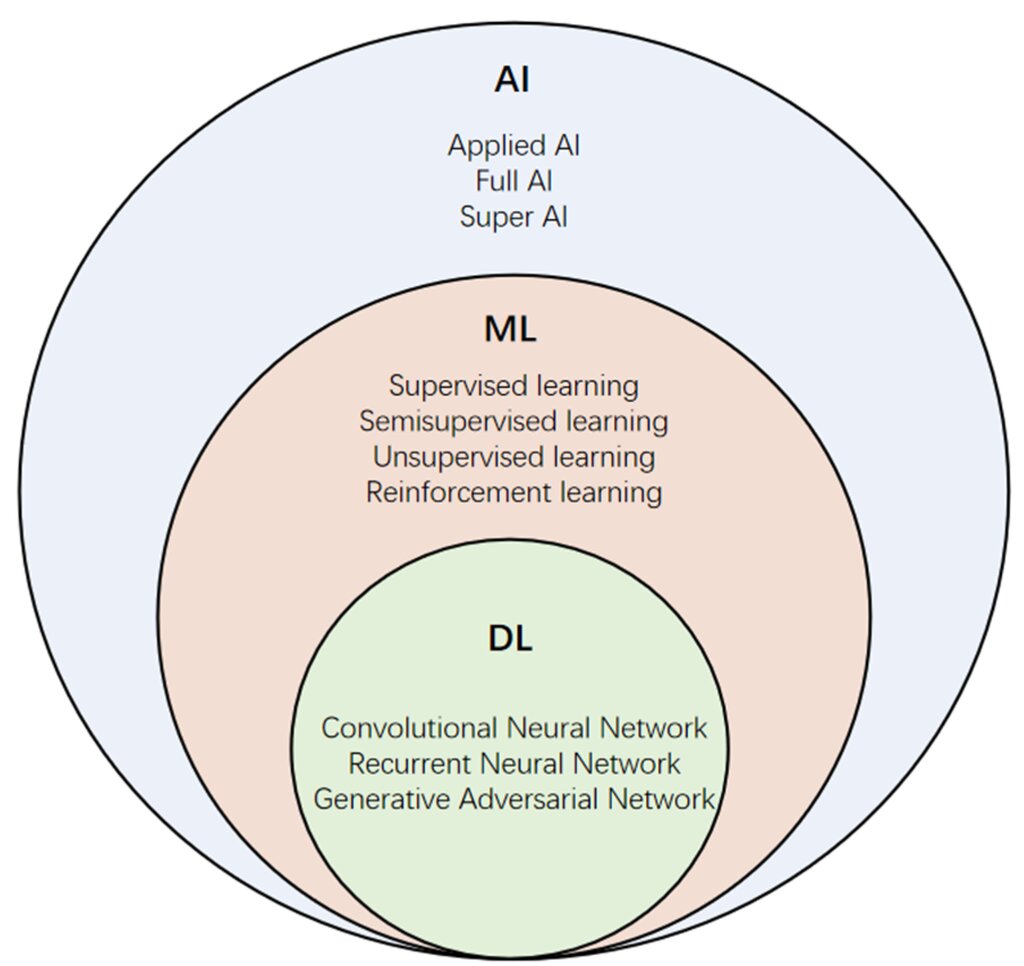
This means that the quality and relevance of your content are more important than ever. The focus has shifted from technical tricks to creating genuinely useful information that answers a user's query comprehensively. AI algorithms are designed to recognize and reward content that demonstrates expertise, authoritativeness, and trustworthiness.
In an AI-driven world, the best way to rank high is to create content that a human expert would be proud of.
This new reality doesn't make SEO obsolete. It elevates it. The goal is no longer just to be seen by a machine, but to be understood by one. As AI continues to evolve, SEO will become less about formulas and more about creating a great user experience.